Two Manchester neighbourhoods have been chosen for a new UK-wide project aiming to put communities at the heart of plans to “restore nature”.
It’s widely-known that being close to greenspaces, and in and amongst nature, is not only for our physical health, but also for our mental wellbeing too.
But sadly, recent statistics published in the People’s Plan for Nature – which set out recommendations to reverse the country’s shocking declines in nature back in March – revealed that, despite three-quarters of Brits being worried about the state of nature, the UK is in the bottom 10% of countries globally for protecting it.
The People’s Plan for Nature notably called for greater investment in ways to help communities take action to protect and renew nature at a neighbourhood level.
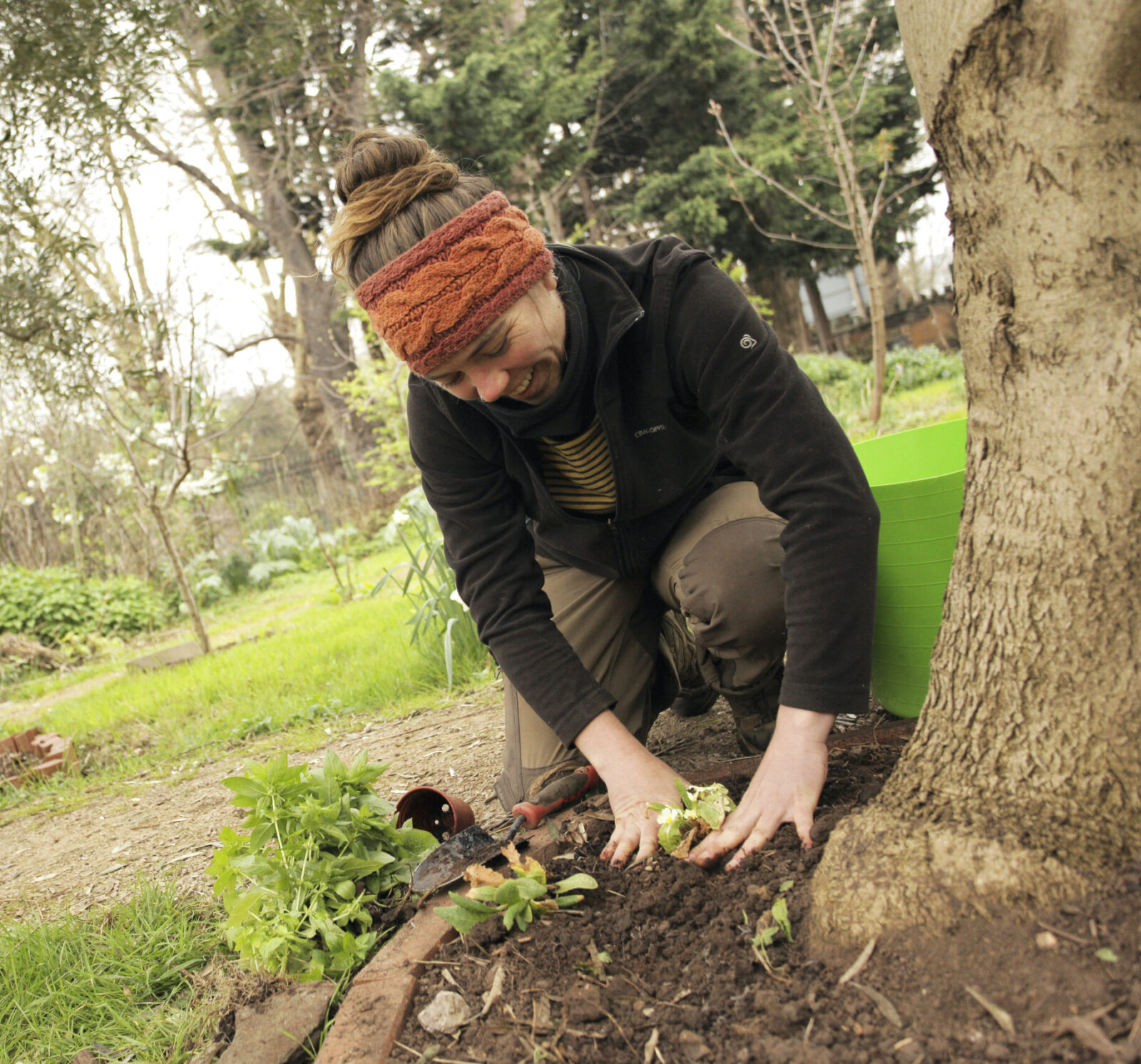
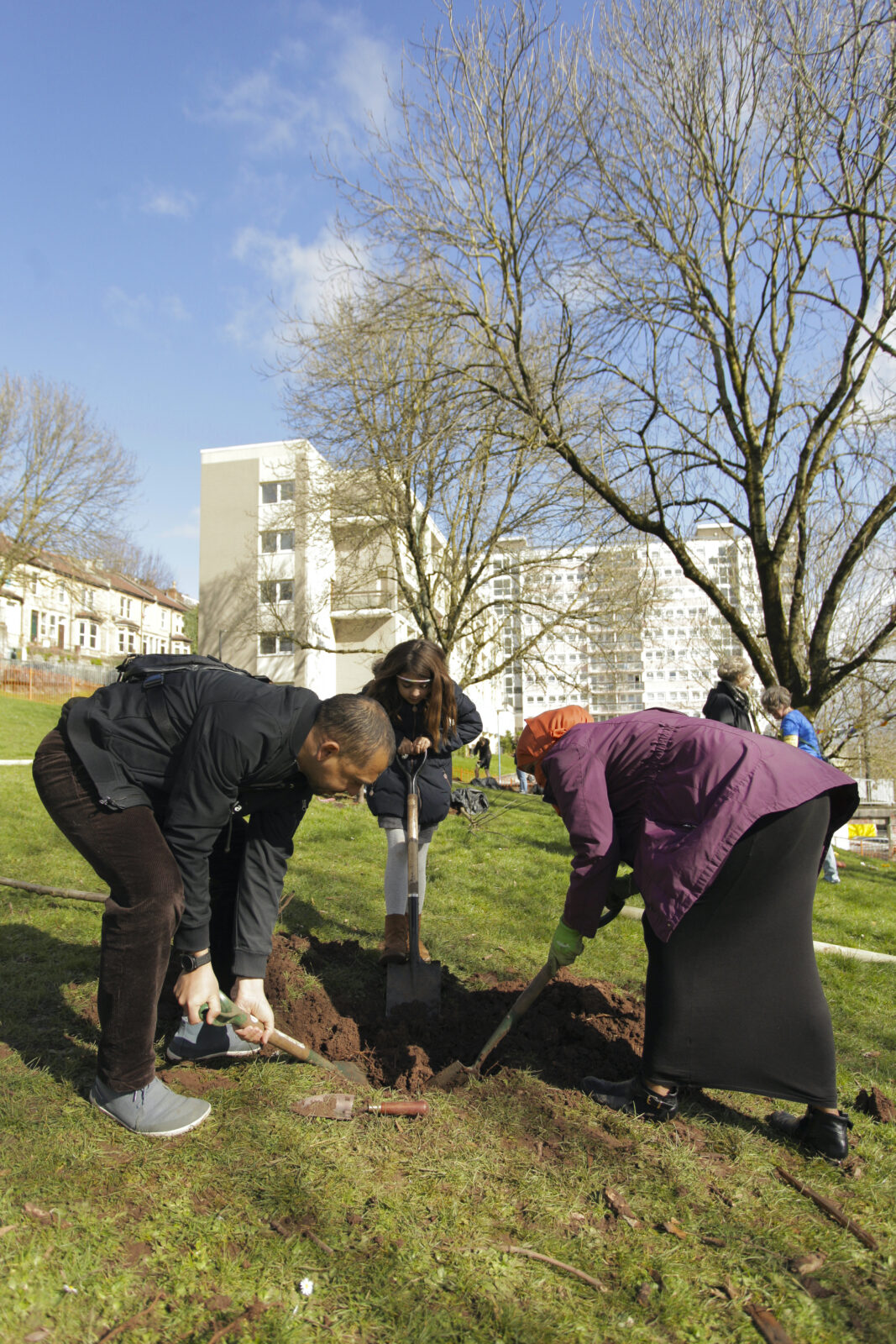
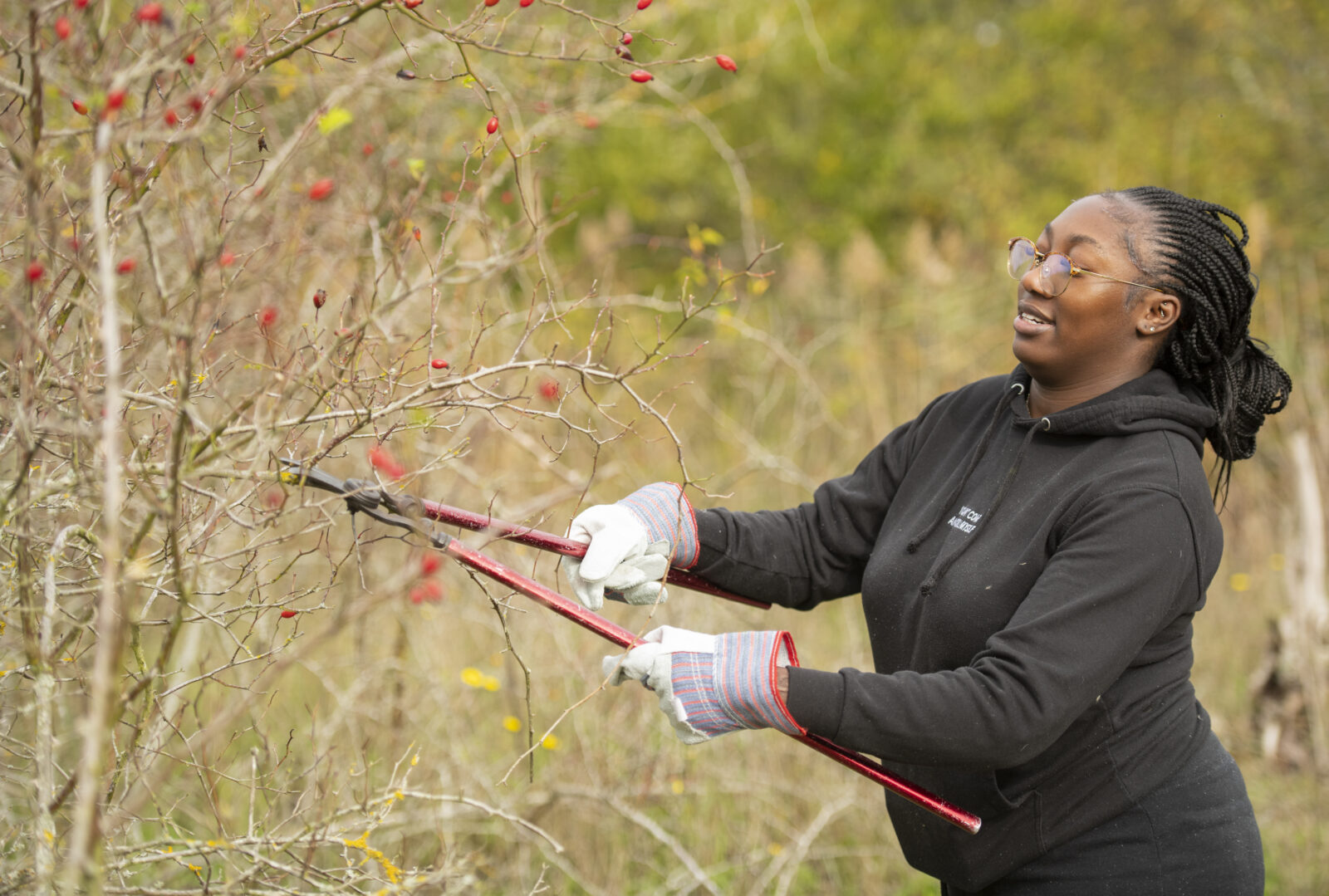
Two Manchester neighbourhoods chosen for new UK-wide project aiming to ‘restore nature’ / Credit: RSPB
The Nature Neighbourhoods initiative has been launched as a direct response to the concerns raised in the People’s Plan for Nature, and aims to help more people benefit from all the advantages nature can bring.
As part of the project, 18 community organisations will receive support from three of the UK’s largest nature charities, as well as funding from the National Lottery, and an extra helping hand from the Co-op, to create “people-powered plans for nature” in their local area.
ADVERTISEMENT
The three charities, the WWF, the RSPB, and the National Trust, have all come together as part of the Save Our Wild Isles campaign – which is an ongoing partnership to take action for nature’s recovery in the UK.
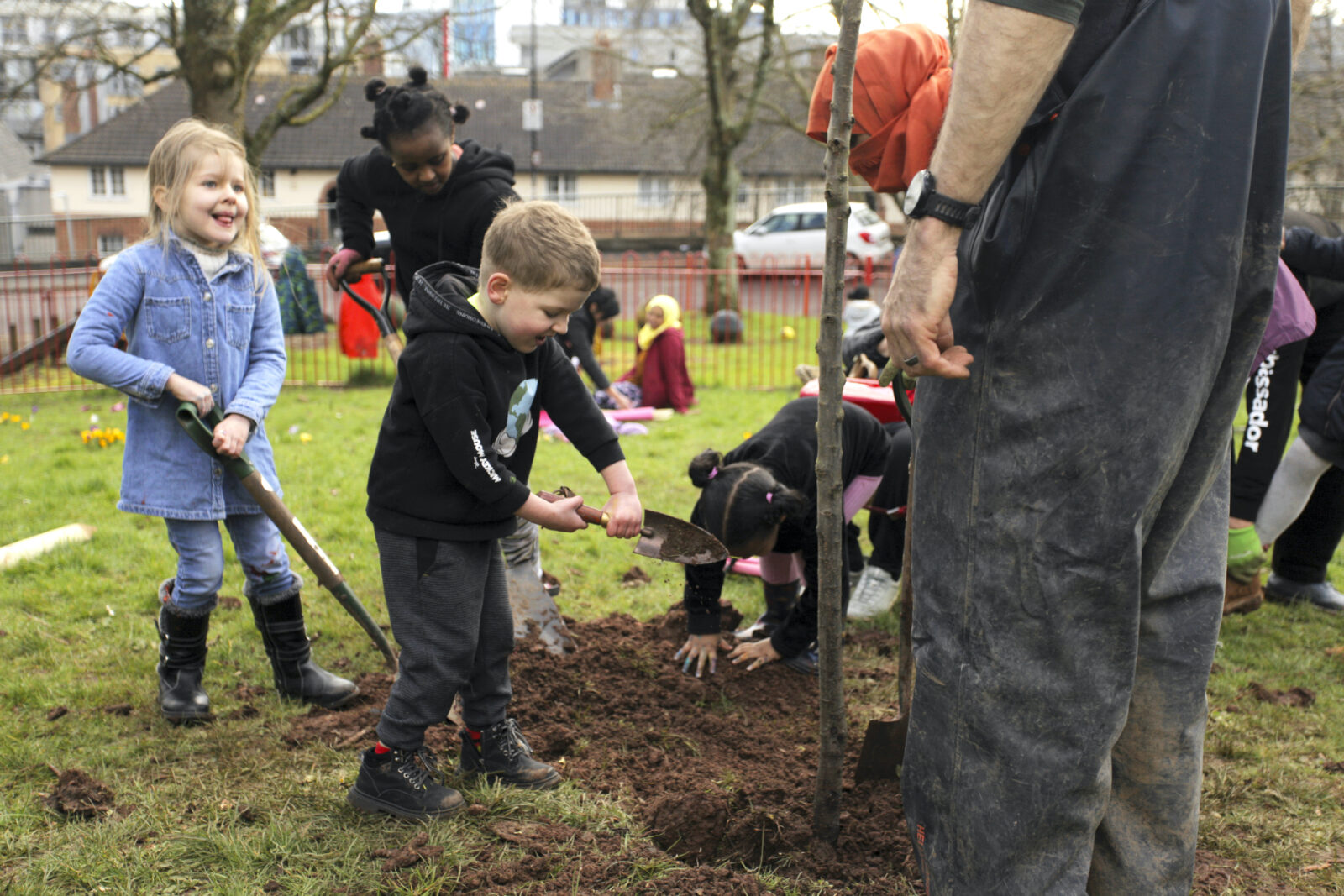
The new initiative wants to help more people benefit from all the advantages nature can bring / Credit: RSPB
Each Nature Neighbourhood will be created by bringing local communities and decision-makers together to ensure their specific plan centres on their community’s priorities for tackling the nature and climate crisis, and will particularly focus on working with urban communities, as while most people live in towns and cities, there’s often said to be “substantial barriers” to accessing nature in these areas, along with higher social and economic inequalities too.
The charities will work closely with local organisations – such as community centres, social enterprises, and volunteer food growing collectives.
ADVERTISEMENT
Here in Manchester, Newton Heath and Platt Fields have been chosen to take part in the project, and two established community organisations from the area, Sow The City and Manchester Urban Diggers, will benefit from funding and support.
Sow The City is a social enterprise that’s focussed on repurposing derelict urban sites into attractive, useful green space, and involving local residents in the process of doing so, while Manchester Urban Diggers is a volunteering organisation that focuses on food systems and growing fruit, vegetables, and herbs for local communities.
The Nature Neighbourhoods initiative has been funded by a £750,000 grant from The National Lottery Community Fund, and an additional £300,000 from Co-op.
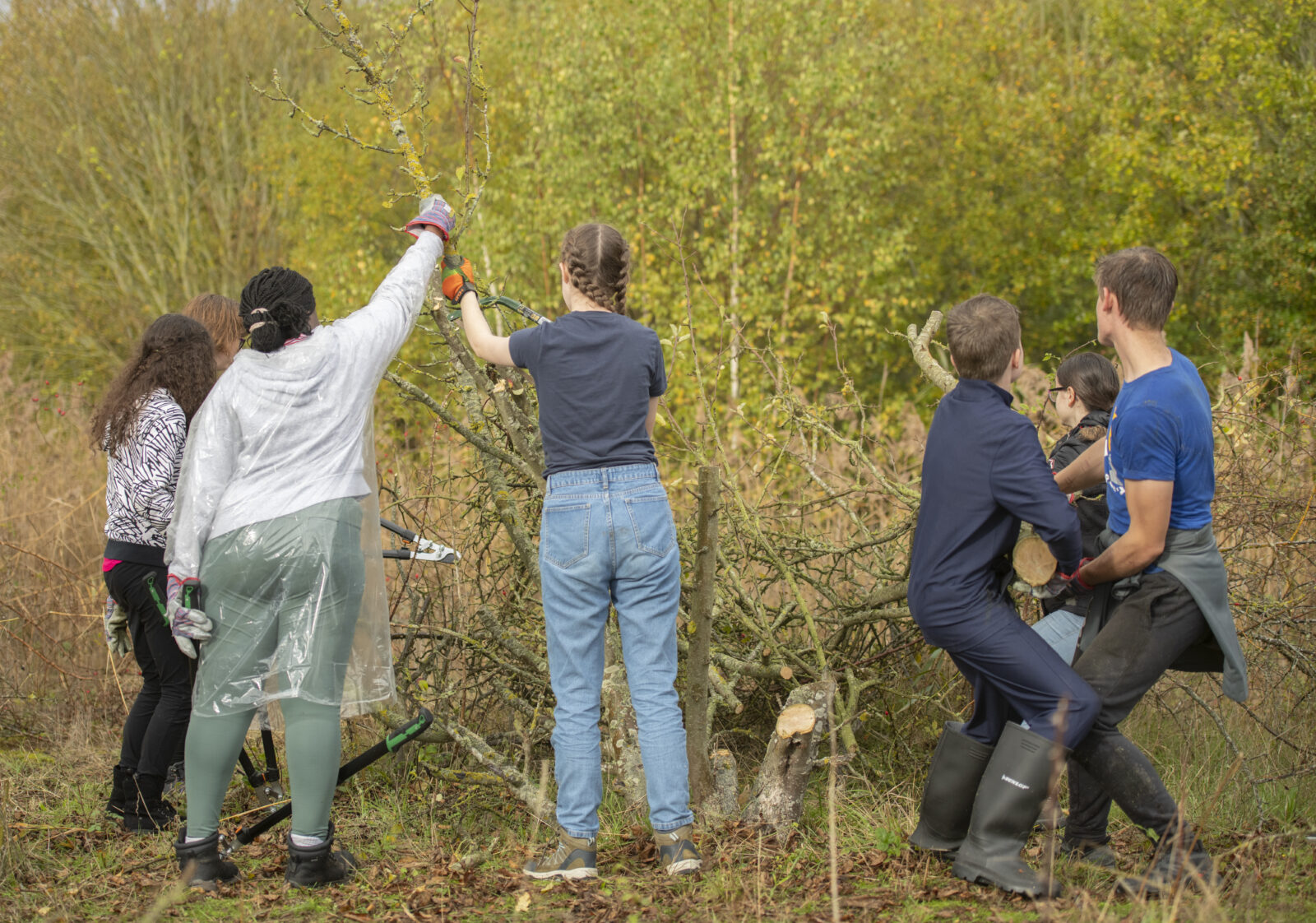
Sow The City and Manchester Urban Diggers have been are two of 18 UK organisations taking part / Credit: RSPB
Speaking on the launch of the new UK-wide project and why it’s so important, Rory Crawford – Project Manager for the Nature Neighbourhoods partnership – explained: “Urban nature doesn’t tend to be the focus of wildlife documentaries, but most of us live in urban areas, and they present the biggest opportunity for people to access and take action for nature on a day-to-day basis.
“Efforts to improve access and tackle the biodiversity and climate crises have not tended to focus on neighbourhoods experiencing high levels of deprivation.
“But the local community organisations involved in this project are at the forefront of addressing this, through community gardens, improving parks, connecting young people to nature, community inclusion, creating new green spaces and supporting safe, active travel.”
Featured Image – RSPB

News
The Council is giving Mancs £2,500 to move into a ‘more manageable’ home
Emily Sergeant
The Council is now offering financial help to support people moving into a smaller and ‘more manageable’ property.
Ever heard of ‘rightsizing? Well, according Manchester City Council it’s a process where a tenant in a larger social rent, Council, or Housing Association property, that may have more rooms than they need or perhaps are struggling to manage a big house as they get older, can be supported into a smaller property that better suits their needs.
The benefits of this process include cheaper bills, lower rents, and overall, just homes that are easier to clean and manage.
The aim of it is also to free up larger Council properties for families who are on the housing register – of which there are said to be around 20,000 of them currently at this time, with larger homes having some of the most significant wait times.
Are you struggling to look after a big Council or housing association home? We can help!
We are offering £2,500 to help people move into a smaller more manageable home, freeing up larger homes for families that need them.
It’s also estimated, according to the Council, that a third of all social rented family homes are thought to ‘underoccupied’.
This is why financial support and grants are now being offered.
Last year alone, 109 households were helped to ‘rightsize’ and were supported in the process by a dedicated team of Council officers, as well as benefitting from the Rightsizing Incentive Scheme – with a further 432 households having expressed interest doing so in the future.
Residents interested in ‘rightsizing’ could get a cash incentive of £2,500, which can be spent on anything they like, along with moving costs.
The Council is giving Mancs £2,500 to move into a ‘more manageable’ home / Credit: Benjamin Elliott (via Unsplash)
“Rightsizing could be a brilliant option for older people who are renting a Council home who may have spare rooms they don’t need or would benefit from looking after a smaller property,” explained Cllr Gavin White, who is Manchester City Council’s Executive Member for Housing and Development.
“Often a barrier to moving is the cost, but the Council will take care of the financial burden to help a resident move into a new home.
“The benefit for the city is that we can free up more larger homes for people who are waiting for a property that properly meets their needs. We think around a third of Council tenants could be under occupying their home, which means they could be paying more than they need to or they could be hit with the bedroom tax.”
Does this sound like you? Are you ready to ‘rightsize’? Find out more and begin the process via Manchester City Council’s website here.
Featured Image – Vitaly Gariev (via Unsplash)
News
Trailer released for Netflix’s new Lucy Letby documentary with ‘unprecedented access’
Emily Sergeant
The trailer for Netflix’s new documentary about the investigation of Lucy Letby has been released.
The feature-length film about Lucy Letby – the infamous neonatal nurse who was found guilty of murdering seven babies and attempting to murder seven others under her care at the Countess of Chester Hospital – hears for the first time from the police officers who investigated the case that shook the nation.
It features never-before-seen footage of Letby during her arrests and police questioning, and even includes interviews with experts and lawyers on both sides, as well as with the hospital consultants who initially raised the alarm.
Tragically, it also includes an anonymised interview with a mother of one of the victims, who also speaks for the first time about her experience and involvement in Letby’s trial.
Produced as a result of years of research and relationship-building, the film – simply titled The Investigation of Lucy Letby – is described as being the most ‘comprehensive’ look at one of Britain’s most notorious crimes, and traces developments from her arrest to trial in chronological order.
Viewers will be given ‘unparalleled and exclusive access’ to those central to the story.
“This was an exceptional and demanding project, marked by significant creative and ethical responsibility,” commented director, Dominic Sivyer. “Our aim was to craft a powerful, emotionally resonant depiction of the events surrounding the case.”
Caroline Short, Head of Global TV at ITN Productions – who produced the documentary – added: “The access to all our contributors came with a huge responsibility to present everyone’s perspectives with care and understanding.
“We are grateful to all those people who trusted us to tell their story.”