Grosvenor Casinos have Finally Reopened – Here’s What You Need To Know
With nightclubs still waiting to get the go-ahead, guests will relish the chance to return to casinos to continue their nights out, once last orders have been called in most drinking establishments.
Following more than four months of closure due to lockdown, Grosvenor Casino Didsbury, Grosvenor Casino Salford, and Grosvenor Casino Soames are all open for business, just in time for the Euros – but what has changed?
In line with the UK Government plan to ease lockdown, all 52 of Grosvenor Casinos UK venues reopened their doors from Monday, May 17th, much to the joy of staff and casino players across the country. Guests can once again enjoy a night out with friends and family, playing their favourite table games, from roulette and baccarat to blackjack and poker. Visitors can also savour fine dining and other entertainments, such as watching sporting events.
With nightclubs still waiting to get the go-ahead, guests will relish the chance to return to casinos to continue their nights out, once last orders have been called in most drinking establishments.
Gavin Lee, Regional Operations Manager at Grosvenor Casinos, said, “We’ve been counting down the days to reopening and every passing day has brought increased excitement. It has been a challenging time for all our team members, but we can finally look forward to reuniting again and getting back to doing what we love – creating a unique atmosphere for guests to have fun, play their favourite casino games and enjoy quality time together.”
Customers who have spent their time visiting online casinos in lockdown but have missed the atmosphere and social element of a real casino will be pleased to learn that they can return to real brick-and-mortar casinos. Sports fans will be delighted to know that live sporting events, such as the Euros, will be broadcast on the casinos’ big screens.
ADVERTISEMENT
However, there are a few safety measures and restrictions in place that you should be aware of. As we’ve come to expect in public venues, you will need to register at reception on entry, hand sanitiser will be provided and you must wear a facemask when moving throughout the venue.
Drinks and dining will be back on the menu, with socially distanced seating in place. You can pre-order table service using the venue’s app, or you can place an order with the valet service.
ADVERTISEMENT
Contactless payments will be encouraged, although cash will continue to be accepted. Staff and customers will be protected by safety shields at the tills.
There will also be regular cleaning every day, including but not limited to chips and tables and gaming machines. Numbers at tables will be restricted, and social distancing guidelines are in place.
Customers will have screens made available to them at gaming tables and electronic machines.
ADVERTISEMENT
If you’re still not ready to visit real casinos and prefer to socially distance, then sites like whichcasino.com offer reviews for the best & new casinos online if this is more your thing.
Gain added: “We have been working hard to put in place robust health and safety measures, and when we reopen in line with government guidance, we will deliver a fun yet safe experience for all of our guests and team members to enjoy.”
Manchester Airport releases statement after customer data stolen in ‘targeted’ cyber security attack
Emily Sergeant
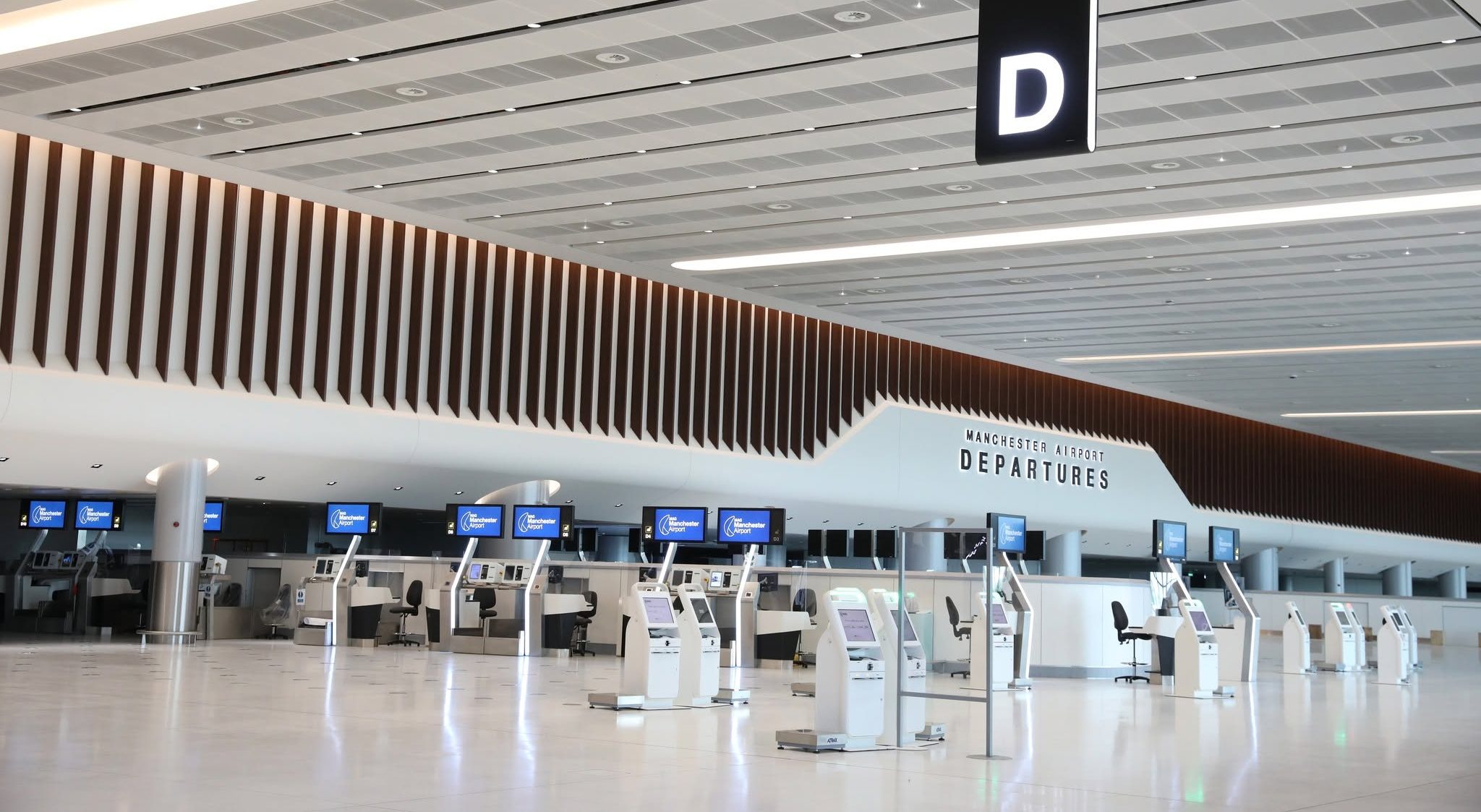
Manchester Airport has released a formal statement after data was stolen from 8.7 million customers in a ‘targeted’ cyber security attack yesterday.
Manchester Airport Group (MAG) – which operates Manchester Airport, Stansted, and East Midlands Airport – said the cyber security incident happened at around 1pm yesterday (Thursday 27 August), and that the data seized from 8.7 million customers included email addresses, phone numbers, vehicle registrations, and postcodes.
The data that was stolen related to car park, lounge and Fast Track bookings, and in-airport WiFi sign-ups, MAG stated.
It was initially confirmed that the system the hackers accessed did not hold customers’ bank or payment details, however, and that all other regular airport operations and customer parking continued uninterrupted.
Manchester Airport has now released a formal statement to reassure customers that they are taking the matter ‘extremely seriously’.
The statement reads: “Manchester Airport Group has been subject to a cyber security incident by an unauthorised third party.
“A quantity of customer data has been obtained that relates to car park, lounge and Fast Track bookings and in-airport WIFI sign-ups at Manchester, Stansted and East Midlands airports.
“We immediately contained the risk and have been working with specialist advisors and taking appropriate steps to protect our customers and systems. We have informed and are working with the relevant authorities, and at no point has passenger safety or aviation security been compromised.”
MAG insisted that the incident had not resulted in any ‘operational disruption’, adding: “Airport operations remain unaffected and customer parking services continue to operate normally.
“Neither MAG nor the system accessed hold customers’ bank or payment details. The data that has been accessed includes customers’ email addresses, phone numbers, vehicle registrations and postcodes.
“We would like to reassure customers that Manchester Airport Group takes the security of customer information extremely seriously, and we apologise for any inconvenience or concern caused.”
Featured Image – MAG
Business
Workers at major Manchester city centre hotel to strike this bank holiday weekend
Emily Sergeant
Workers at one of the most prominent hotels in Manchester city centre are set to strike this bank holiday weekend.
Workers at Kimpton Clocktower Hotel and its bar venue The Refuge, who are members of the union Unite, will take 24 hours of strike action on Saturday (29 August) in what is said to be a ‘long-running dispute’ over union busting.
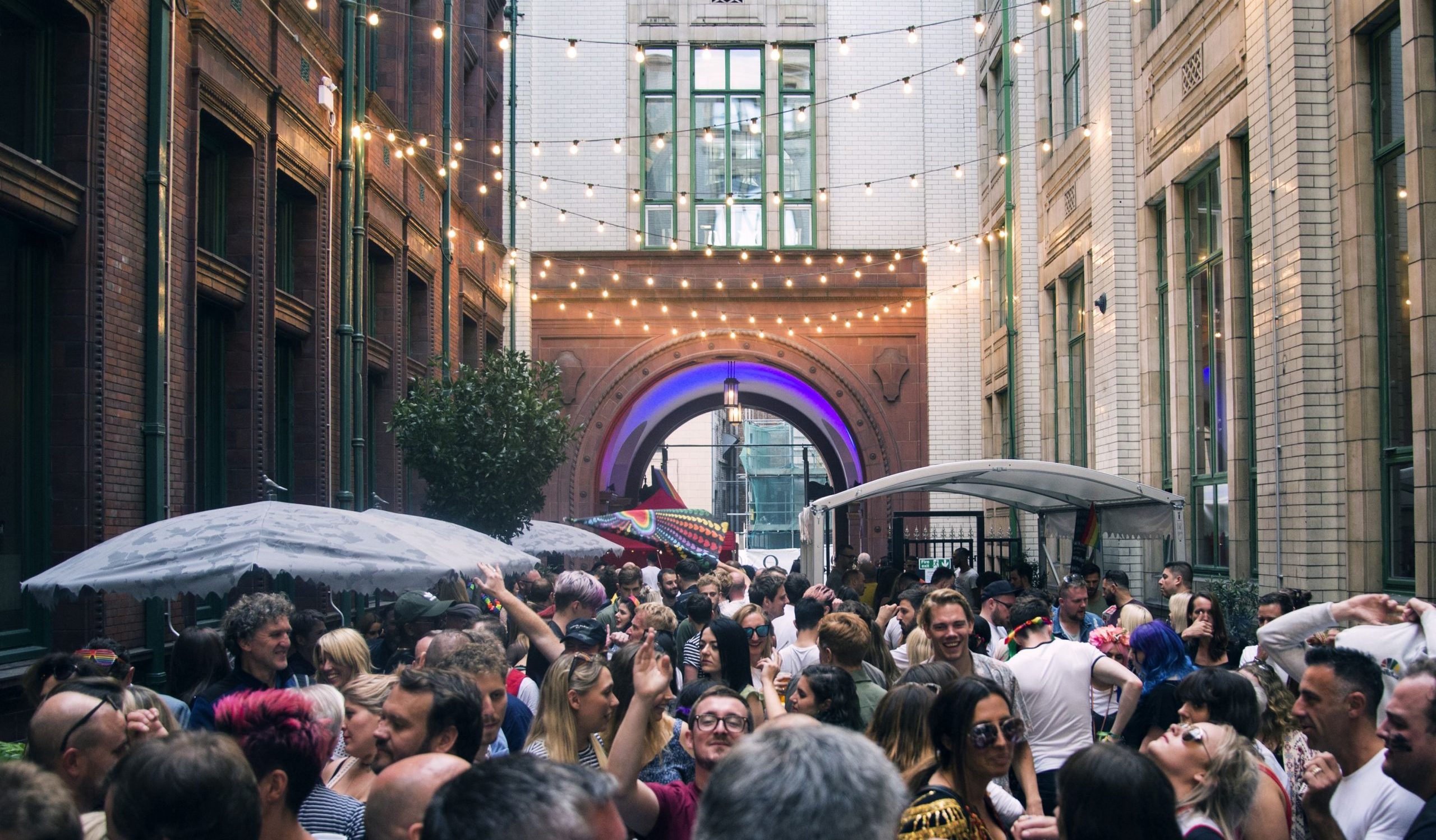
The strike day chosen by the workers is the second day of this year’s Manchester Village Pride, and is historically the most lucrative day of the year for their employer.
This is because Kimpton Clocktower is located very close to the Pride Parade route, and for several years has been a very popular location for people attending the festival, and even runs a number of Pride events itself.
Unite says that for months now, workers at the Kimpton Clocktower – which is owned by InterContinental Hotels Group UK (IHG) – have been asking for formal union recognition to improve conditions after raising several issues with management, but IHG UK has refused this and instead ‘targeted’ the union for its actions.
Workers at a major Manchester city centre hotel are set to strike this bank holiday weekend / Credit: Rebecca Hope Photography (Supplied)
Previous strikes have already taken place this summer, apparently causing ‘financial hits’ to the business in the process – with the bar being forced to close early at several events as there were not enough staff to cover them.
“A strike on Kimpton’s most profitable day is entirely of its own making,” commented Unite regional officer, Alison Treacher. “Throughout this dispute, Kimpton Clocktower management have treated its loyal workforce with contempt and our members have shown they will not stand for it.
“There is still time to avoid this highly disruptive strike action, but that relies on IHG changing tack by listening to its members and giving them the union recognition they have long been calling for.”
This dispute is said to be the first ever hospitality strike in the North West.
Unite is currently running a petition demanding that IHG UK stop targeting union activists, recognise the Kimpton workers rights to have their grievance heard collectively, and support their union recognition campaign.

 The Manc -
11th June 2021
The Manc -
11th June 2021