The world almost stopped for a few long minutes when COVID-19 hit, and lockdowns were instituted in almost every country in the world.
Then slowly, a new normal started emerging. College and high school students were enrolled in online classes so things would start working almost as before again, and zoom meetings became the order of the day for the employed. It was like discovering a whole new world that had always been there.
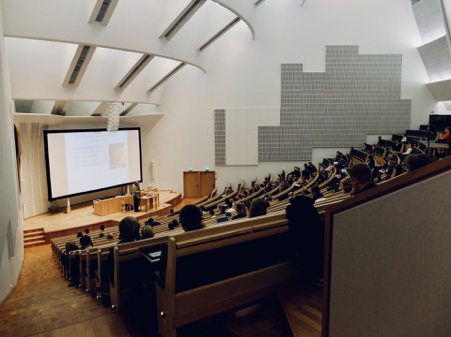
Now, one of the surprising events that followed the pandemic was the increased university enrollment for undergraduate degrees in the UK. Through UCAS – Universities and Colleges Admissions Service, 514,020 applicants of all ages have taken the first step to higher education. That is a 1.6% increase as compared to 2019. What informed these changes and especially now with a pandemic redefining learning as we knew it? Here are a few thoughts on how schooling has changed.
Technology is Showing Off
Pre-COVID, classes were one-on-one and available online options were not favored too much. That meant students had to find time in their schedule for class, something that isn’t always easy with all the demands of modern life. Currently, the situation has shifted towards online learning and more universities are offering flexible schedules. In most cases, even if you cannot attend the class, you can review Zoom call recording later in order to catch up.
ADVERTISEMENT
Of course, there have been some negative consequences of lockdown as well. For example, a lot of students are feeling depressed because of the pandemics and the pressure of assignments they have does not help. It may seem that we all have more time to spare now as you won’t need to spend time commuting, however, students’ workload has increased a lot as well. Many students participate in TikTok challenges or try new hobbies to cope with mental issues, and against that background it’s a true relief there is the ability to now order free of plagiarism research paper help from EduBirdie regardless of where you are in the world. Writing assignments is always one of those tough parts of college and so having a professional do it for you makes it possible to focus on your mental health a bit more.
Speaking of technology taking off in the education sector, educators have been put to task to make their classes even more engaging, which was an issue with this form of learning before. Students are encouraged to express their creativity through videos and other presentation methods when they hand in assignments virtually. Peer-to-peer discussion groups are also taking off well where students can hold discussions regardless of their location in the world as long as they are connected to the internet.
ADVERTISEMENT
Education Gives People Choices
As more and more young people move from seeking employment to focusing on building their own enterprises, they find more reasons to get university education. They no longer just want the best job on Wall Street, but a chance to run a successful business, which has better chances of happening if they are informed. They want finance degrees to show them how to handle money and growth and art degrees to validate their talents.
Even if a person chooses to become an entrepreneur and open their small business, education provides knowledge and connections required to succeed. With a strong academic background, the options are limitless. Though the economy may not support the creation of jobs at the moment, this situation won’t last forever. Smart people know there is no better time to prepare for the future than the present.
ADVERTISEMENT
It’s What we Do
Why go to university? Because it is some sort of rite of passage. If you didn’t go to university, there is little to do with your early 20s. At this time, young adults are trying to define how they want the rest of their lives to look like, and so transitioning from home to college is a big deal that everyone who yearns to experience it should.
While there is a lot of learning, writing assignments and papers, and attending lessons, the college also allows you to grow. There will be new friends to make, clubs to join, mistakes to make and learn from, and generally the time to find your true north. With COVID, students may not have the true experience until the vaccine roll-out allows everyone to gather again without too much fear of the outcome. Still, that doesn’t limit one from making friends and enjoying this new phase. So, young people are going to university because they need this transition. It’s part of growing up.
The Future of University Education
It is still a little too early to decide how the future will look like, but we know for sure online classes will never be looked down upon again. The course of this pandemic has taught us what can be achieved with good internet connections and tech advancement. There could be renewed interest in techie courses as there is still too much to explore there.
Business
More than 300 new roles available at Manchester Airport jobs fair this November
Lydia Mastrolonardo
The Manchester Airport jobs fair is back this November meaning hundreds of jobseekers are in with a chance to land their dream job.
Manchester Airports Group (MAG) are set to host the event, facilitating networking and connection amongst jobseekers and employers, whilst showcasing the wide variety of exciting roles across the aviation sector, available withinManchester Airport.
Jobseekers will be able to gain information on the current vacancies in sectors such as airport security, ground handling, passenger assistance, and terminal operations.
Along with other positions like hospitality, retail, catering, construction, recruitment, logistics, and aviation support services, there’s bound to be something to match your skill set and interests.
There will be plenty of employers to talk to including some pretty big names such as Accessorize, Bethell Construction Limited, DHL, JD Wetherspoon, Lagardère Travel Retail, MAN Fire Service, Pret A Manger, and Swissport.
The Airport Academy, in partnership with Manchester Airport and Trafford & Stockport College Group (TSCG), will also be at the fair sharing information on its free pre-employment support programmes. These include fully accredited training schemes, perfect for anyone seeking some support before applying for airport roles.
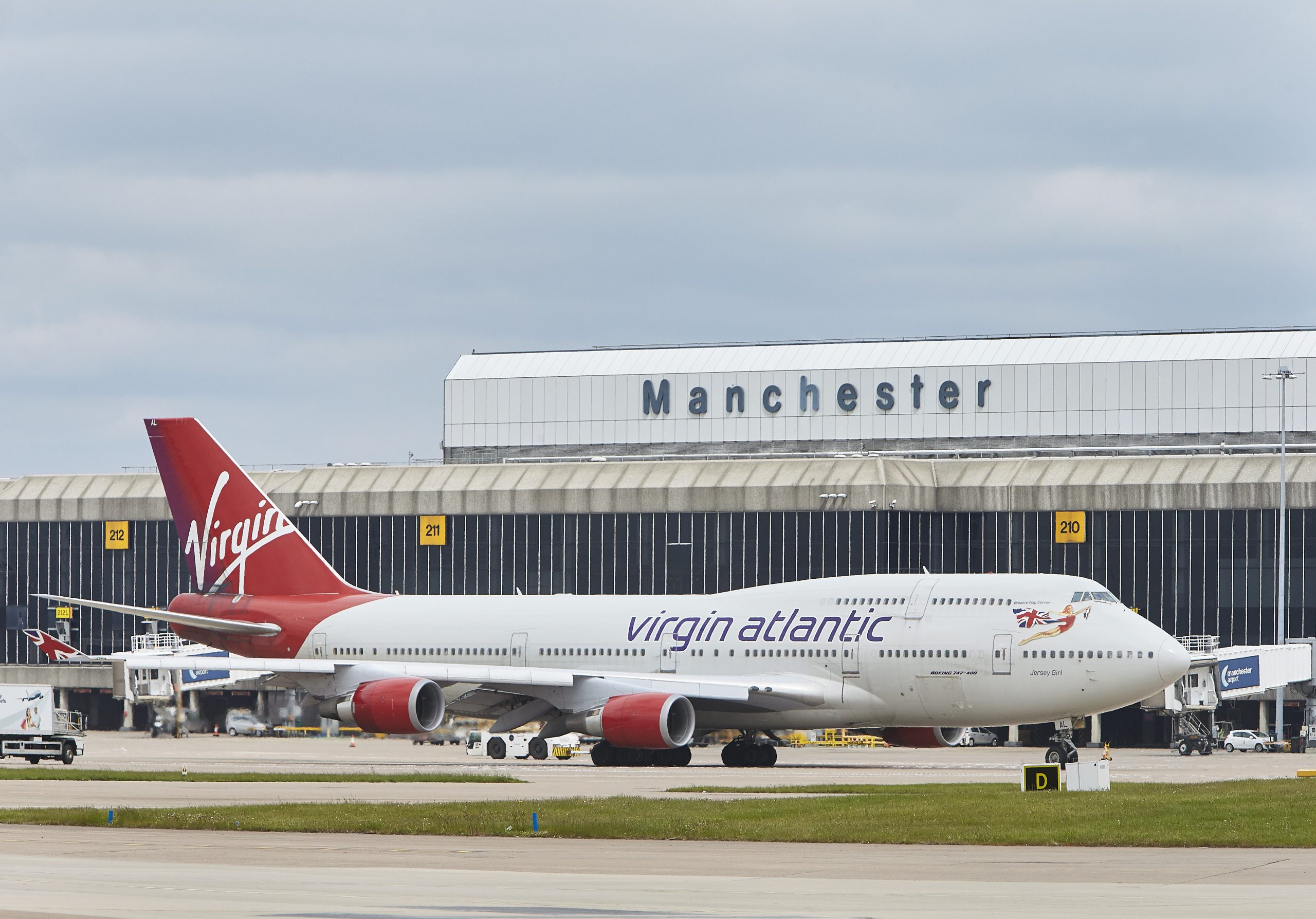
More than 300 new roles available Manchester Airport jobs fair this November. Credit: The Manc Group
Tina Edwards, People Director at Manchester Airport shared: “As one of the region’s largest employers, we’re proud to work alongside our partners to create opportunities for local people – and the aviation industry is a particularly exciting one to work in.
“This jobs fair is a fantastic chance for jobseekers to meet employers face-to-face, learn more about the wide variety of roles available at the airport and take the next step in developing their careers. With around 300 vacancies at the moment, there are opportunities for people with a wide range of skills and experience.
“We want Manchester Airport to be one of the best places in the world to travel from, and if you’ve got the passion and drive to help us make that happen, we’d love to see you at this event.”
Not to mention MAG offers a wide range of benefits to its employees, including discounts on public transport, free on-site car parking whilst working and when going on holiday (what a dream!), as well as an excellent pension scheme, training programmes, retail discounts and many more.
Simply book your free tickets, bring along copies of your CV and enjoy talking with a range of recruiting employers about the opportunities they have available to suit you.
This event will be held between 10am – 2pm, at The Forum in Wythenshawe, on Wednesday 4 November.
M&S launches massive recruitment drive in Greater Manchester with hundreds of jobs available
Emily Sergeant
M&S has launched a massive recruitment drive across Greater Manchester.
With the festive season fast approaching, and most British stores having already unveiled their Christmas ranges for 2026, one of the country’s largest brands has launched a massive UK-wide seasonal recruitment drives to gear up for what is always one of the busiest times of the year for the retail industry.
M&S has announced it will recruit more than 300 new colleagues to support its store teams across Greater Manchester this festive season.
As mentioned Christmas is one of the busiest moments of the year for M&S, and seasonal colleagues play a ‘vital’ part in delivering that.
New recruits will be tasked with helping M&S deliver a ‘brilliant’ service for customers.
Stores with vacancies span the whole of Greater Manchester – including Altrincham, Bolton Middlebrook, Bury The Rock, Manchester Market Street, Prestwich, Sale, Stockport, Stretford, Trafford Centre, and Walkden.
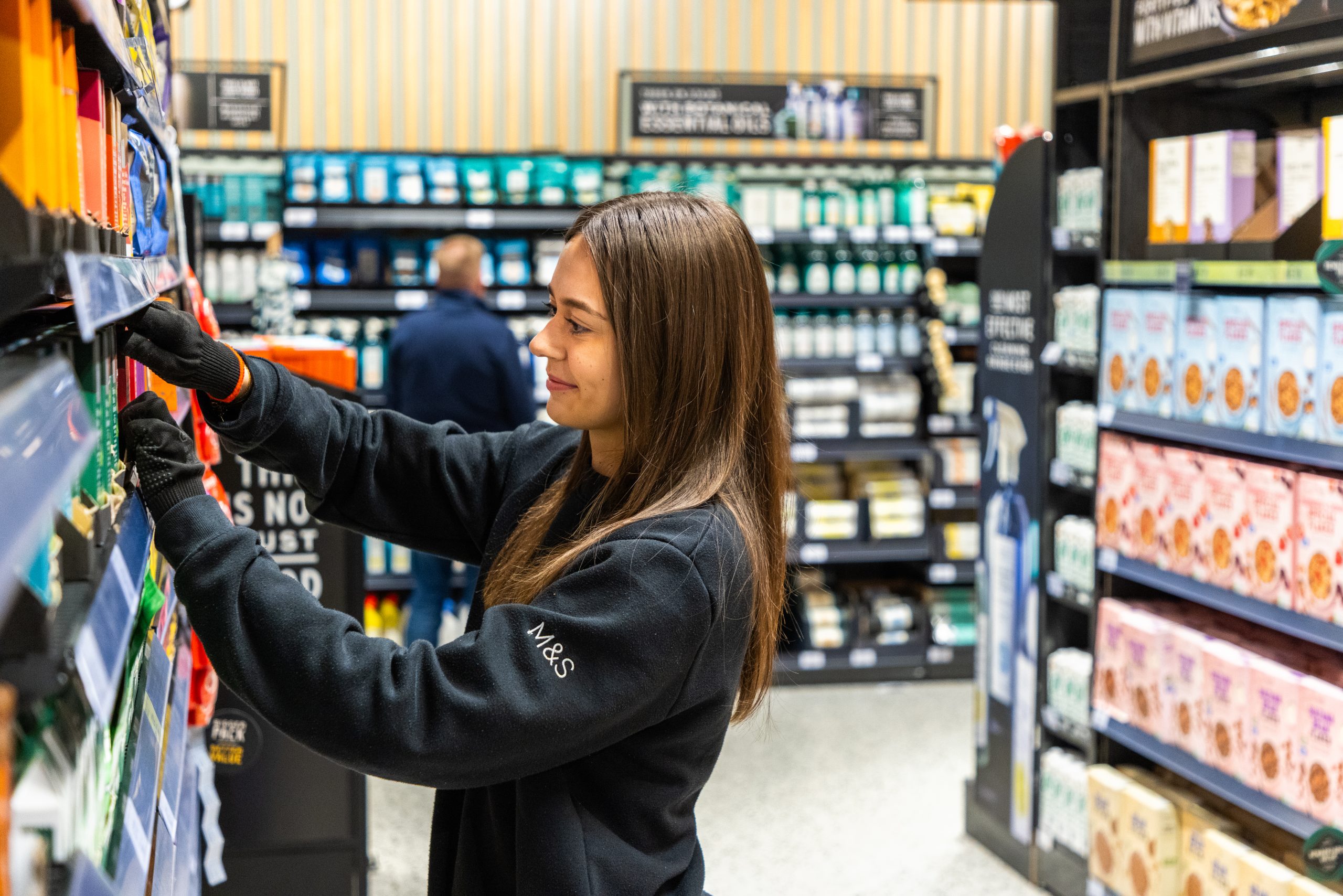
M&S has launched a massive recruitment drive in Greater Manchester with hundreds of jobs available / Credit: M&S Manchester | Supplied
M&S says the roles are ‘fast-moving and hands-on’, with colleagues required to work together to make sure customers still get the very best of M&S, even at its busiest.
The roles will pay £13.41 per hour, with successful applicants receiving the training, tools and support needed to get up to speed quickly.
“We can’t wait to welcome over 300 new colleagues to our store teams here in Greater Manchester,” commented Zeba Khan, who is the Regional Manager at M&S.
“As we get ready for our busiest time of year, it’s a great opportunity to join us and help bring a magical M&S Christmas to our customers.
“We have a range of opportunities available, whether joining our city centre flagship or our fresh market-style foodhalls. We’re looking for colleagues who are passionate about delivering great customer service and being part of a team.”

 The Manc -
15th January 2021
The Manc -
15th January 2021