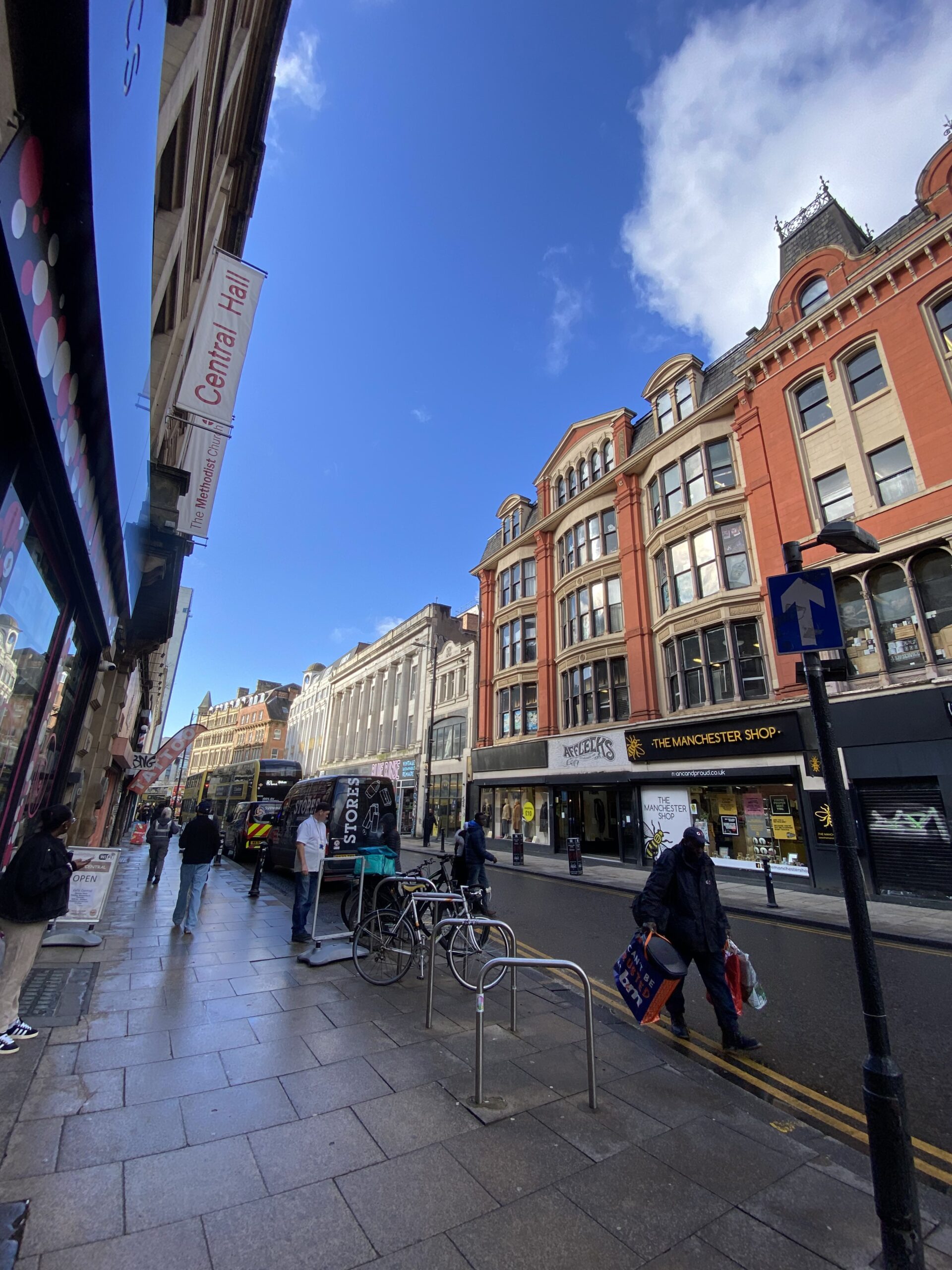
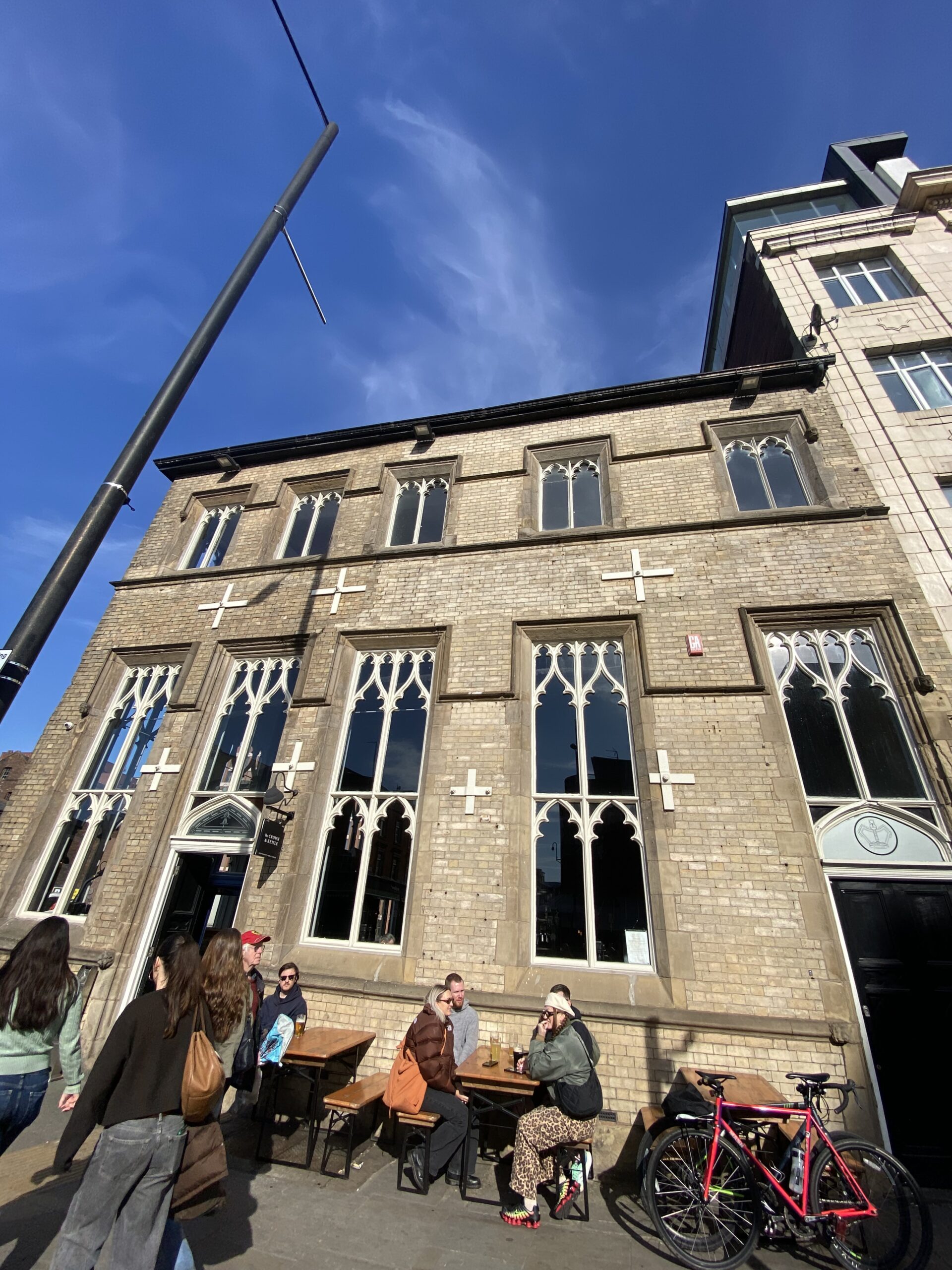
Oldham Street these days is one of the Northern Quarter’s most famous spots, home to vintage shops like Pop Boutique, Blue Rinse and Vinyl Exchange, as well as countless little bars and cafes.
Perching itself right in the middle of Northern Quarter and spanning all the way from Piccadilly Gardens to Great Ancoats Street, Oldham Street has been keeping up with the trends since day one.
If you’ve ever wondered how to boost your status in the indie circles or want to show off your individuality, this road has is one of Manchester’s biggest culture hotspots.
After all, there’s not many streets that can say they’re home to Afflecks Palace.Well it’s on a crossroads so there’s four which have that claim to fame but my point still stands!
But it hasn’t always been the shabbily cool little street of today, so we’ve been diving back through the archives to bring you photos of Oldham Street how it used to look.
ADVERTISEMENT
Oldham Street – Over the years
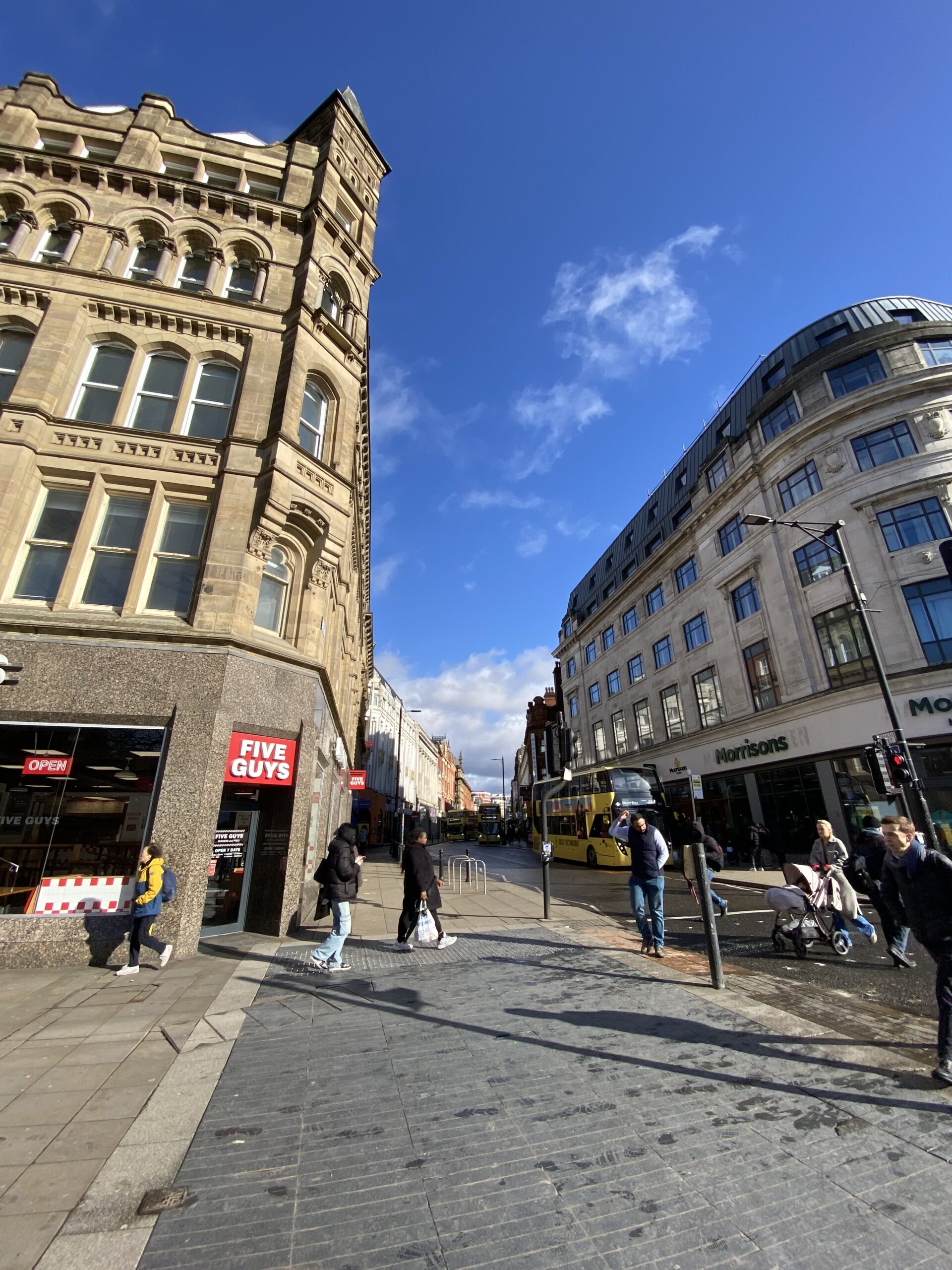
Oldham Street facing Piccadilly Corner, 1894
Credit: The Manchester Library/ The Manc Group
This particular photo shows the main gateway to bohemian paradise, also known as Oldham Street.
ADVERTISEMENT
The shops standing tall in these buildings may have changed owners a fair few times but the original architectural design has stayed the same.
Just like the photo from 1894, it’s hard to take a picture of this area without crowds of people, we can’t help being so popular, that’s just Manchester!
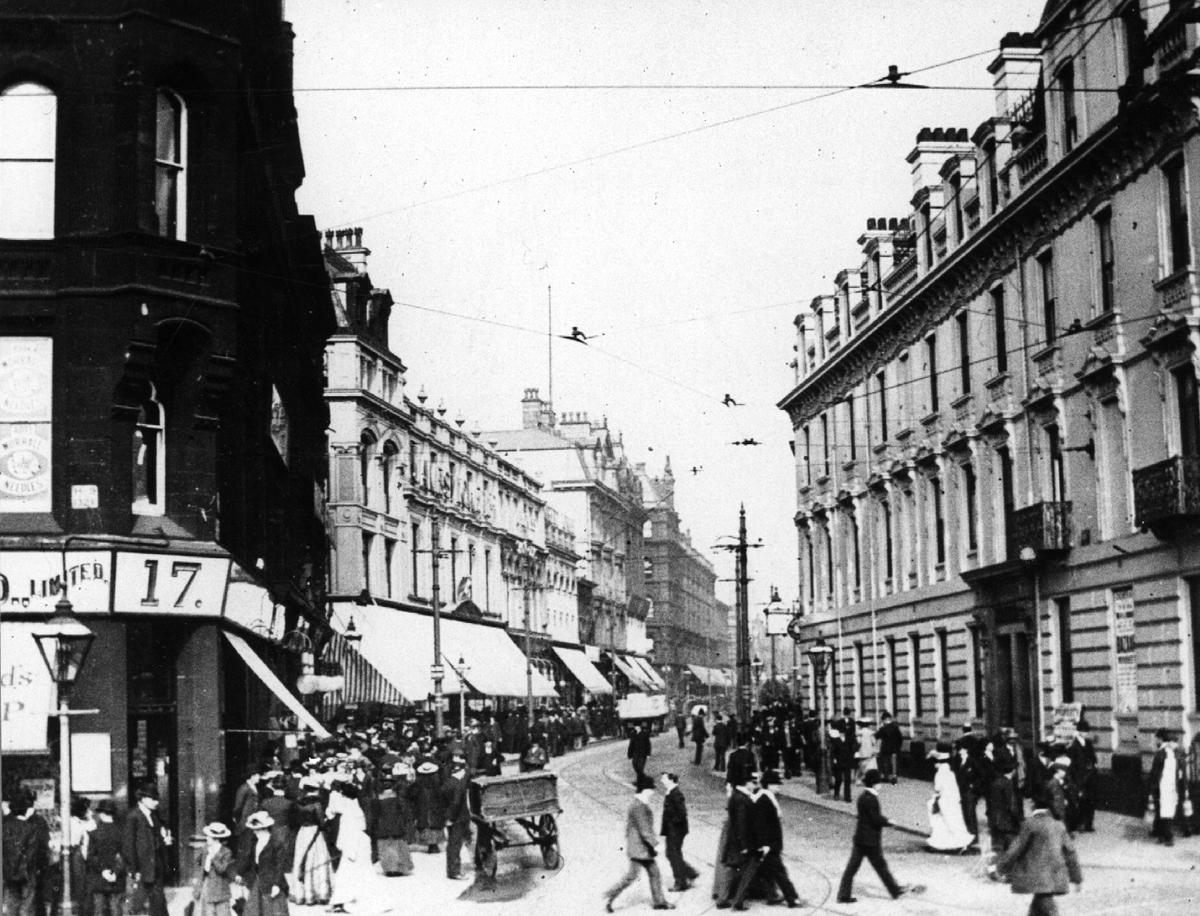
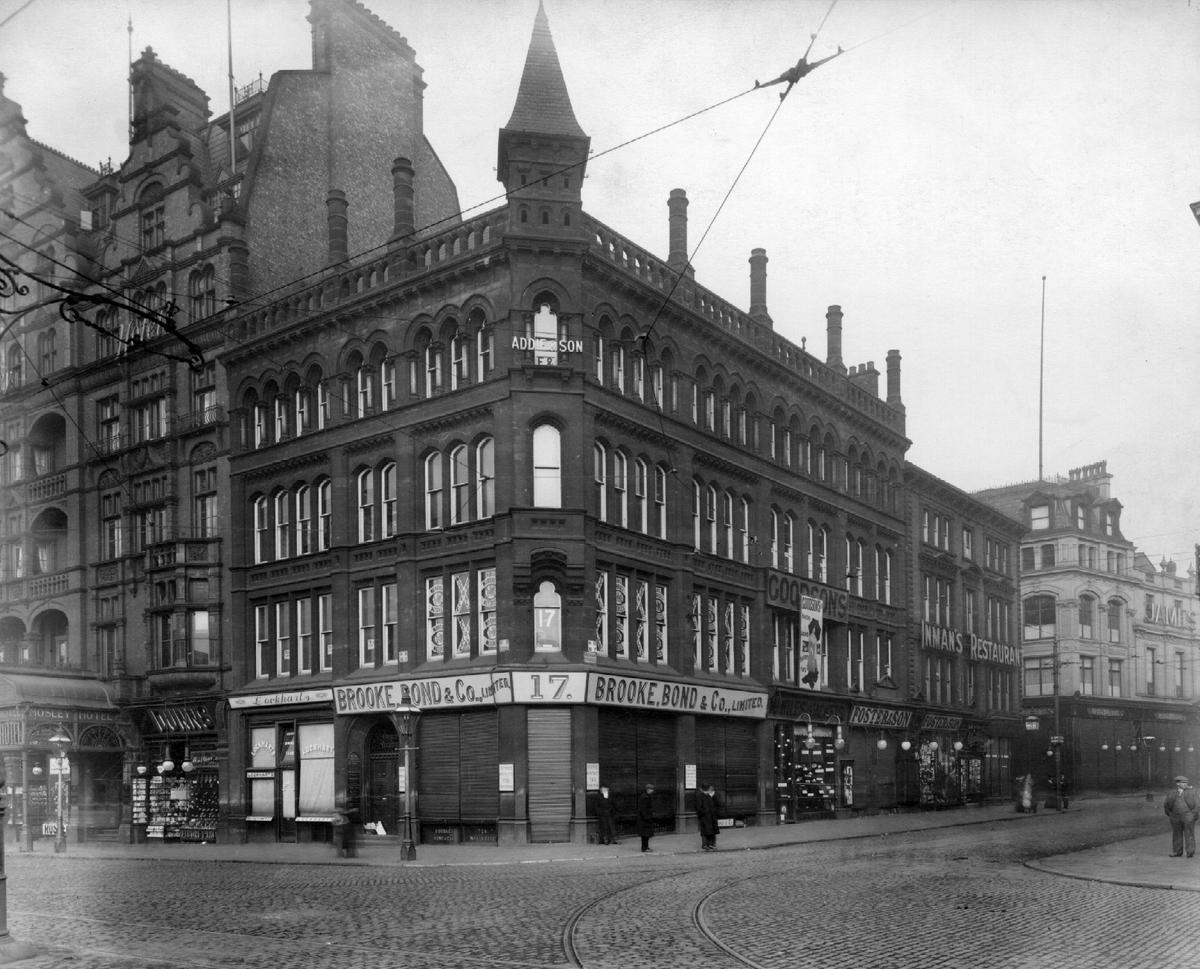
Oldham Street facing Piccadilly Corner, 1903
ADVERTISEMENT
Credit: The Manchester Library/ The Manc Group
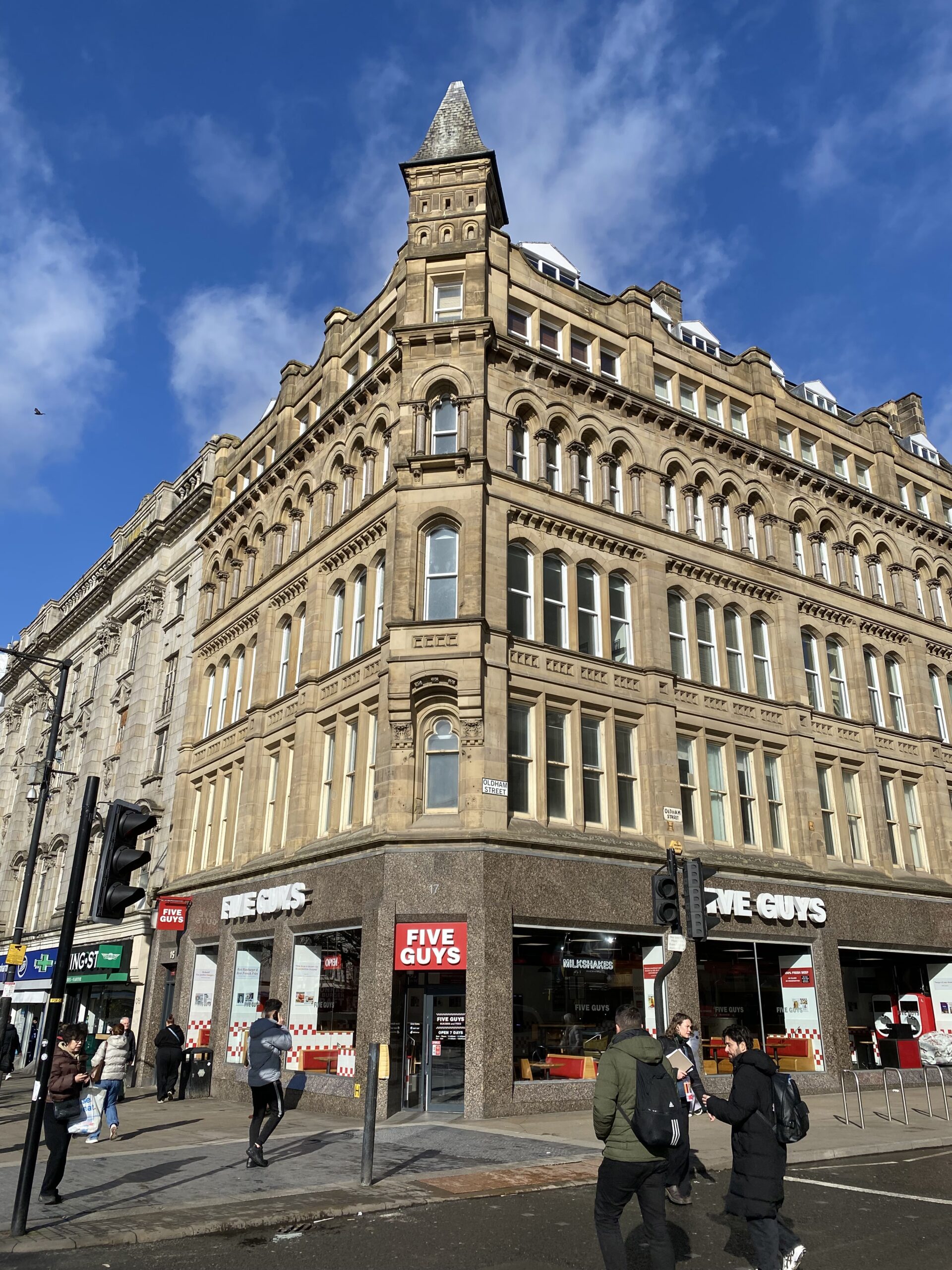
What was once a tea supplier that went onto become PG Tips, is now an American fast-food chain Five Guys.
The first picture denotes a shop front with the title ‘Brooke Bond & co.’, launching PG Tips in the 1930’s under ‘Pre-Gestee’ which relates to its original name ‘Digestive Tea’.
The second half of this notable brand is due to the fact that only the top two leaves and bud are used in their blend, the tips, and that’s what makes the company what we know and love today, PG Tips.
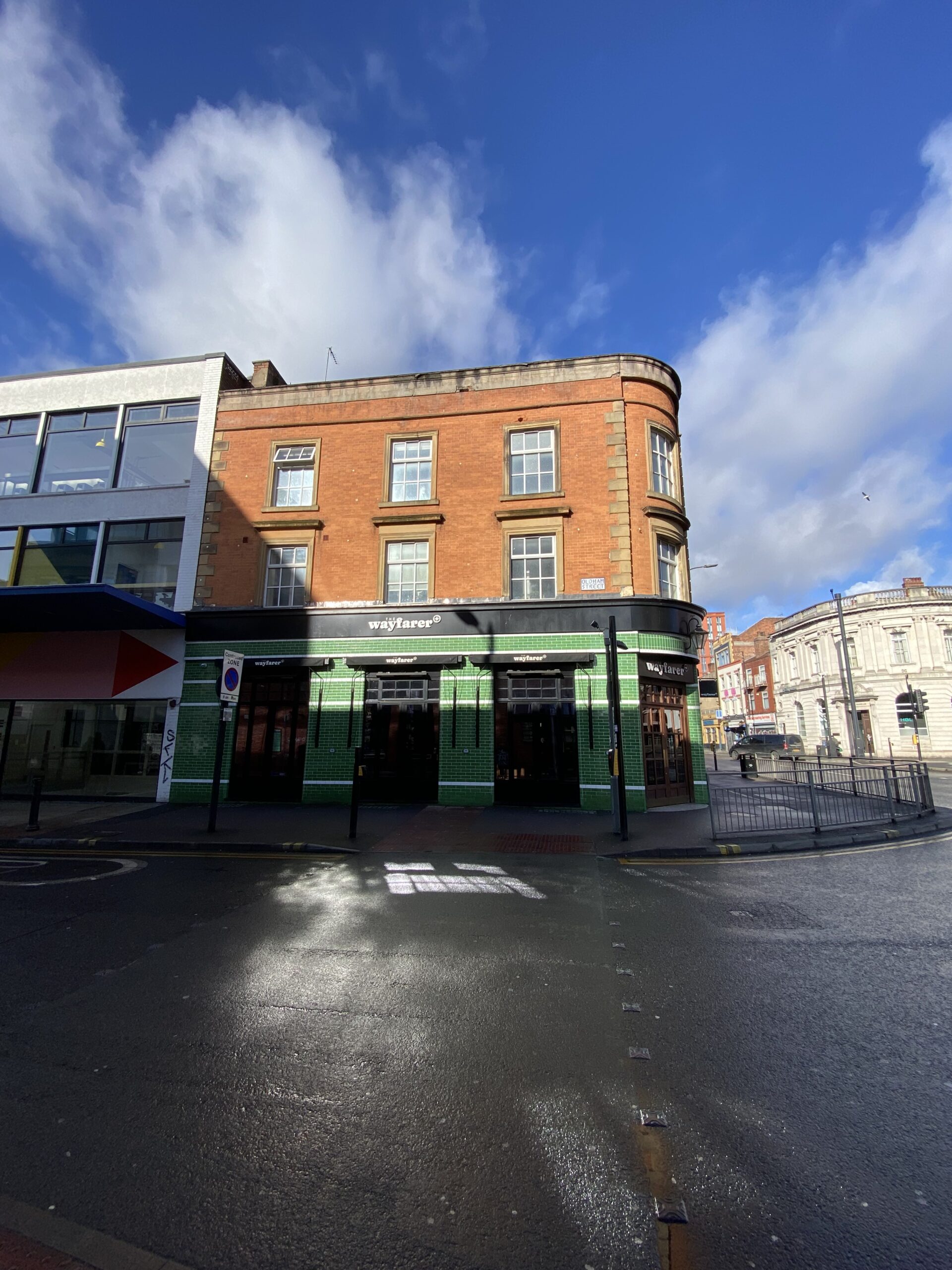
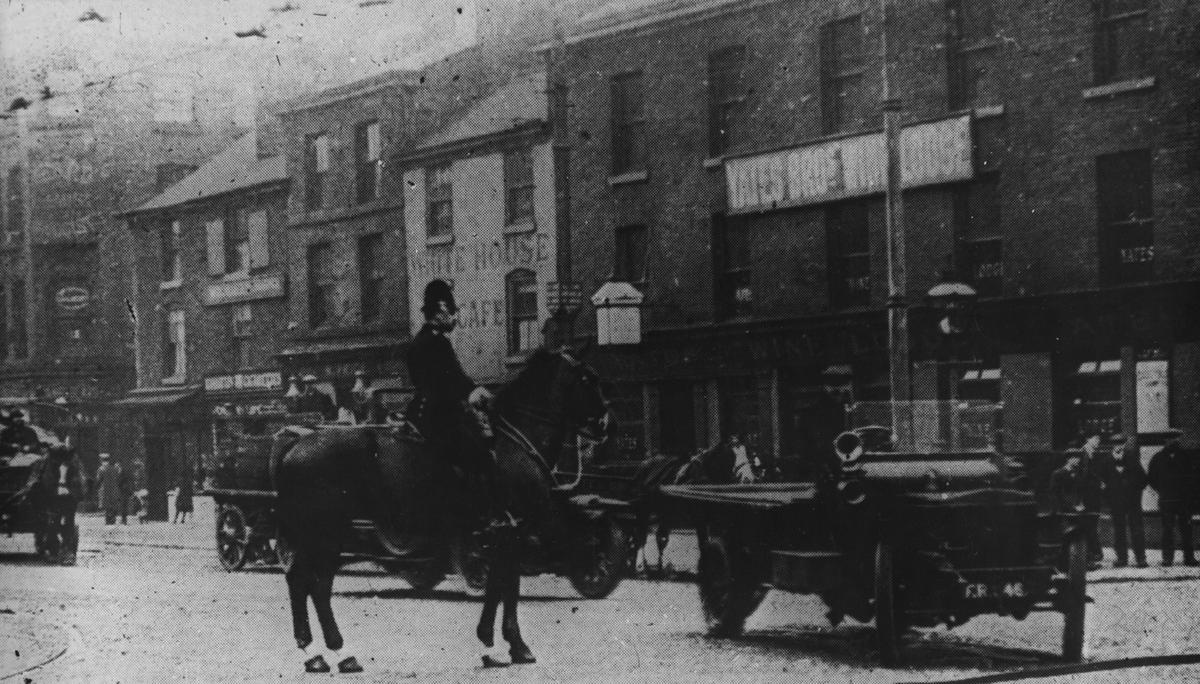
Oldham Street merging into Great Ancoats Street, 1920
ADVERTISEMENT
Credit: The Manchester Library/ The Manc Group
The times have definitely changed since the first photo, swapping horseback travel for cars and a pedestrian crossing.
The end building which joins together Oldham Street with Great Ancoats Street is none other than Wayfarer.
After trekking all the way from Five Guys and making it to the other end of this bustling row of shops, there’s nothing better than a stop off for a cheeky pint.
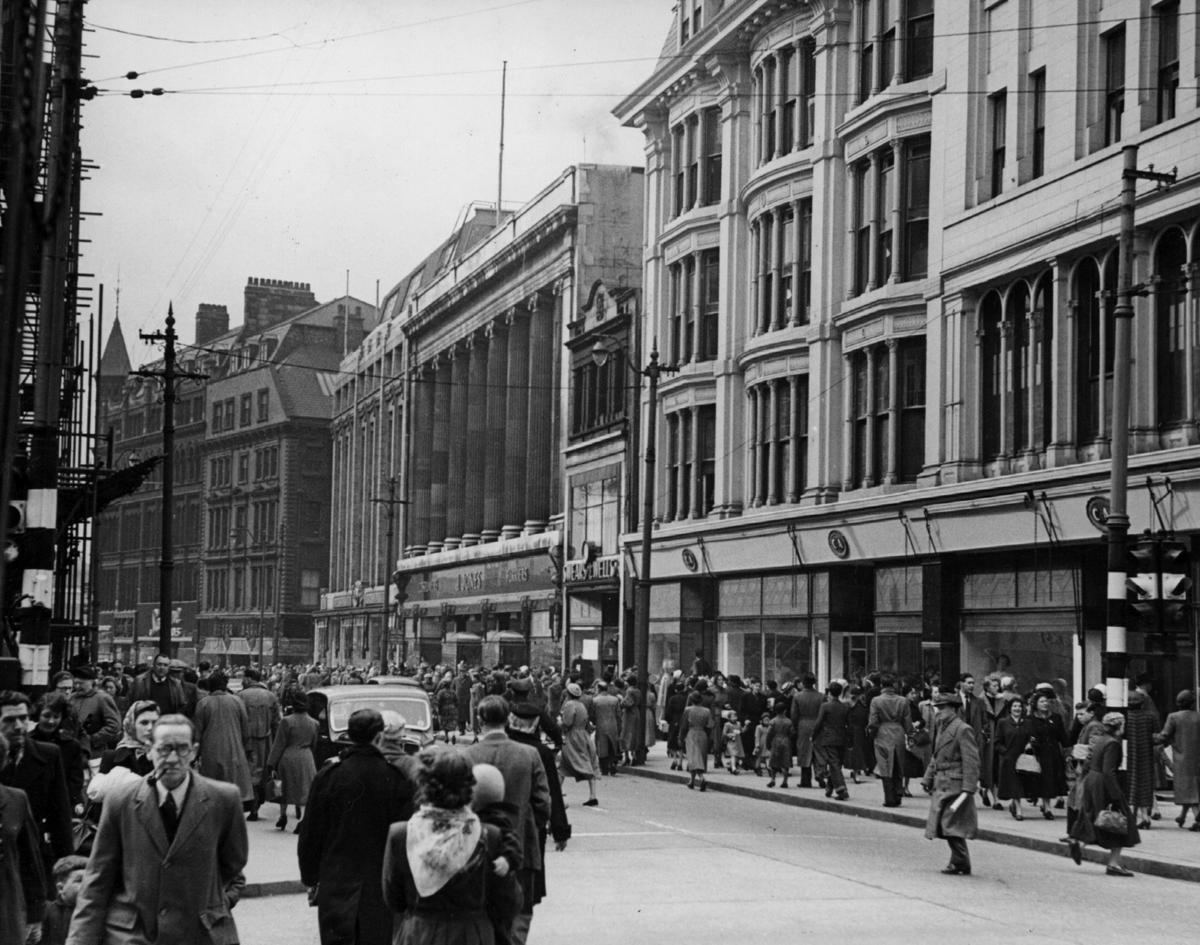
Oldham Street, 1940
Credit: The Manchester Library/ The Manc Group
There she is in all her glory, no not Afflecks Palace, Blue Rinse, where you can find some trendy and snazzy items that feel like they’ve been pulled right out of a time capsule straight from the 80’s.
ADVERTISEMENT
However, you can’t visit this retail road and not show some love to the city centre emporium as it’s stacked with four floors of independent shops ready to welcome you with open arms.
No matter what time of day you go, expect to walk past some incredibly dressed shoppers from emos to hippies, this place brings everyone together.
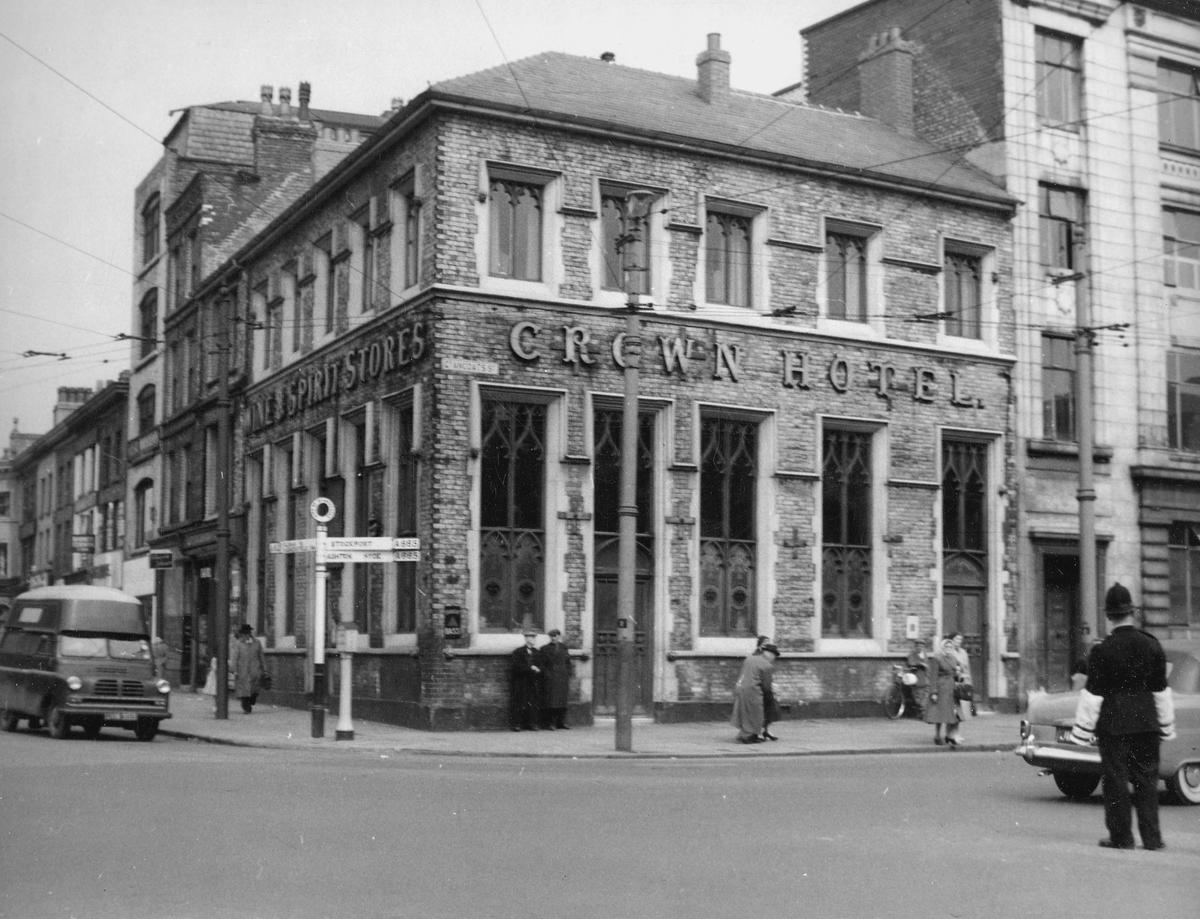
Oldham Street and Great Ancoats Street, 1959
Credit: The Manchester Library/ The Manc Group
It’s now one of those pubs that toes the line between traditional boozer and hip Ancoats hangout, and still bears the scars of the huge fire that tore through it in 1989.
Looking back to the late 1950s though you can see how well this building has been preserved, even if the pint prices have crept ever-higher.
ADVERTISEMENT
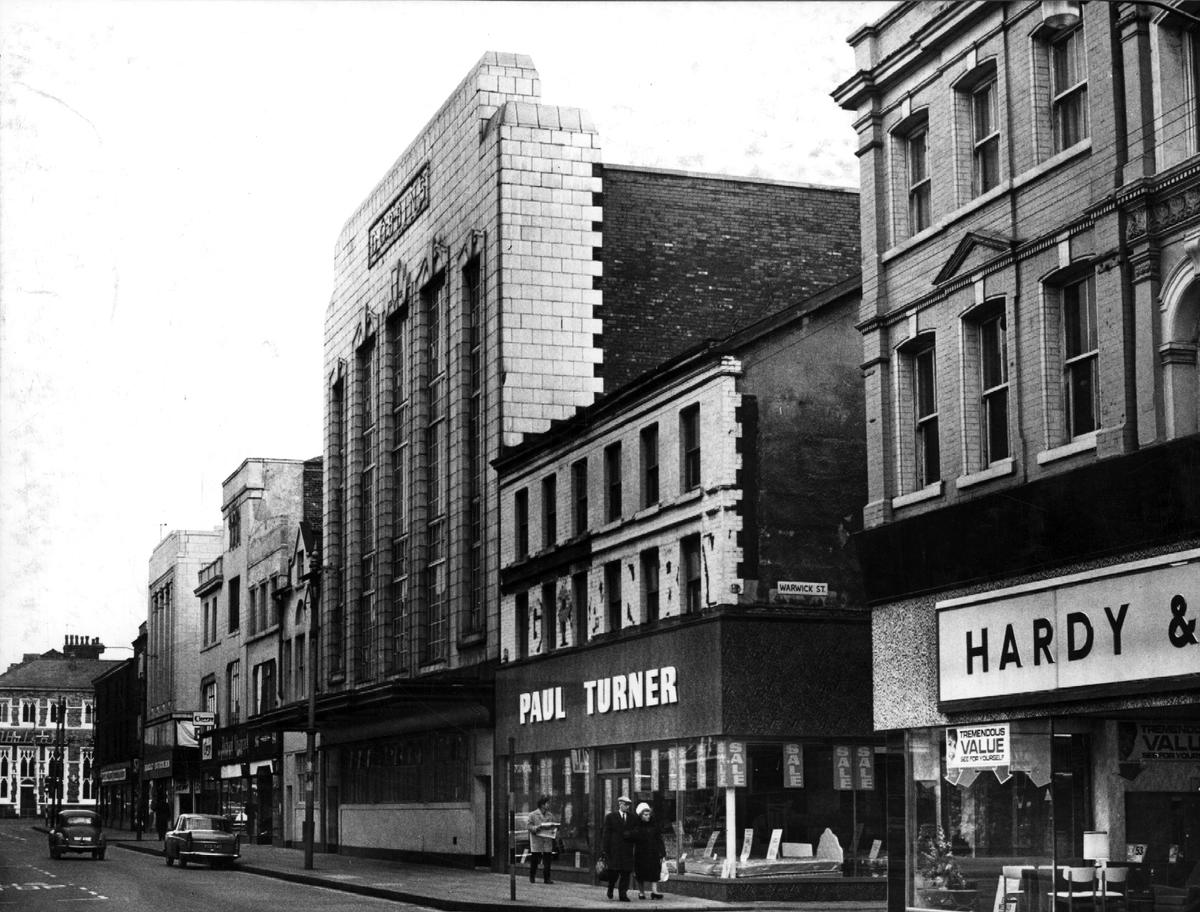
Oldham Street and Warwick Street, 1967
Credit: The Manchester Library/ The Manc Group
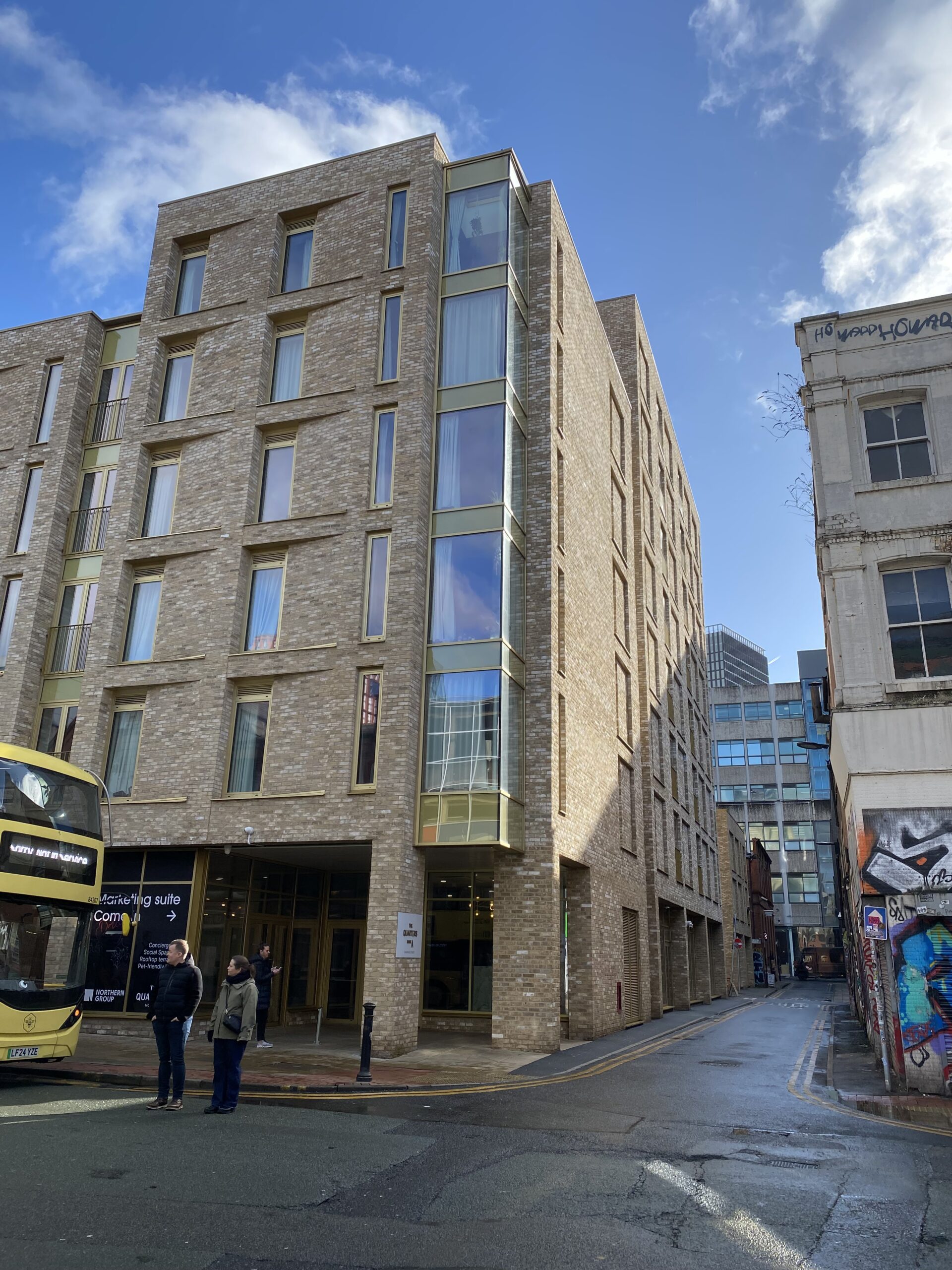
Manchester is constantly changing its skyline and it gained another mini skyscraper in 2022 thanks to The Quarters.
Tied between Oldham Street and Warwick Street, this building is a residential complex with 100 apartments.
The two buildings in the middle of the first photo were torn down in 2013 after a fire.
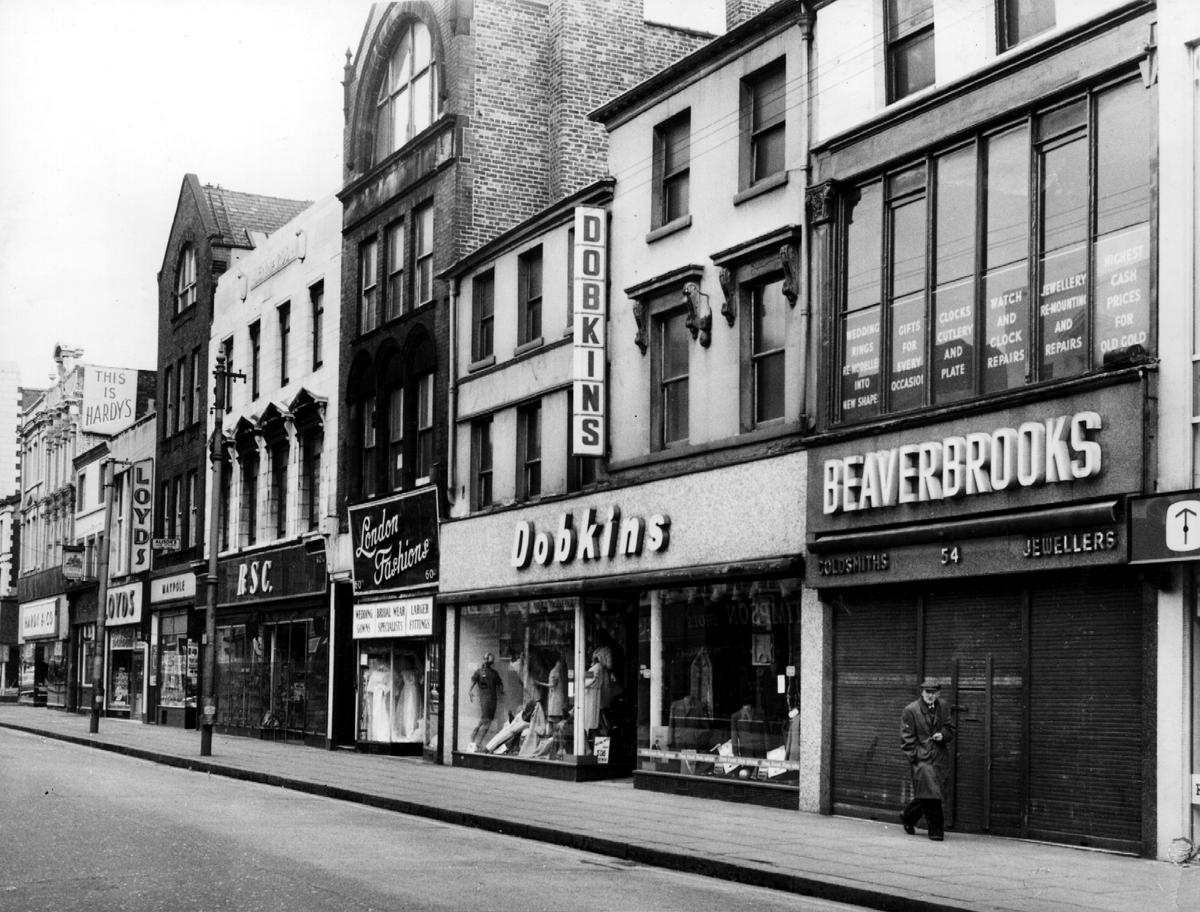
Oldham Street, 1967
ADVERTISEMENT
Credit: The Manchester Library/ The Manc Group
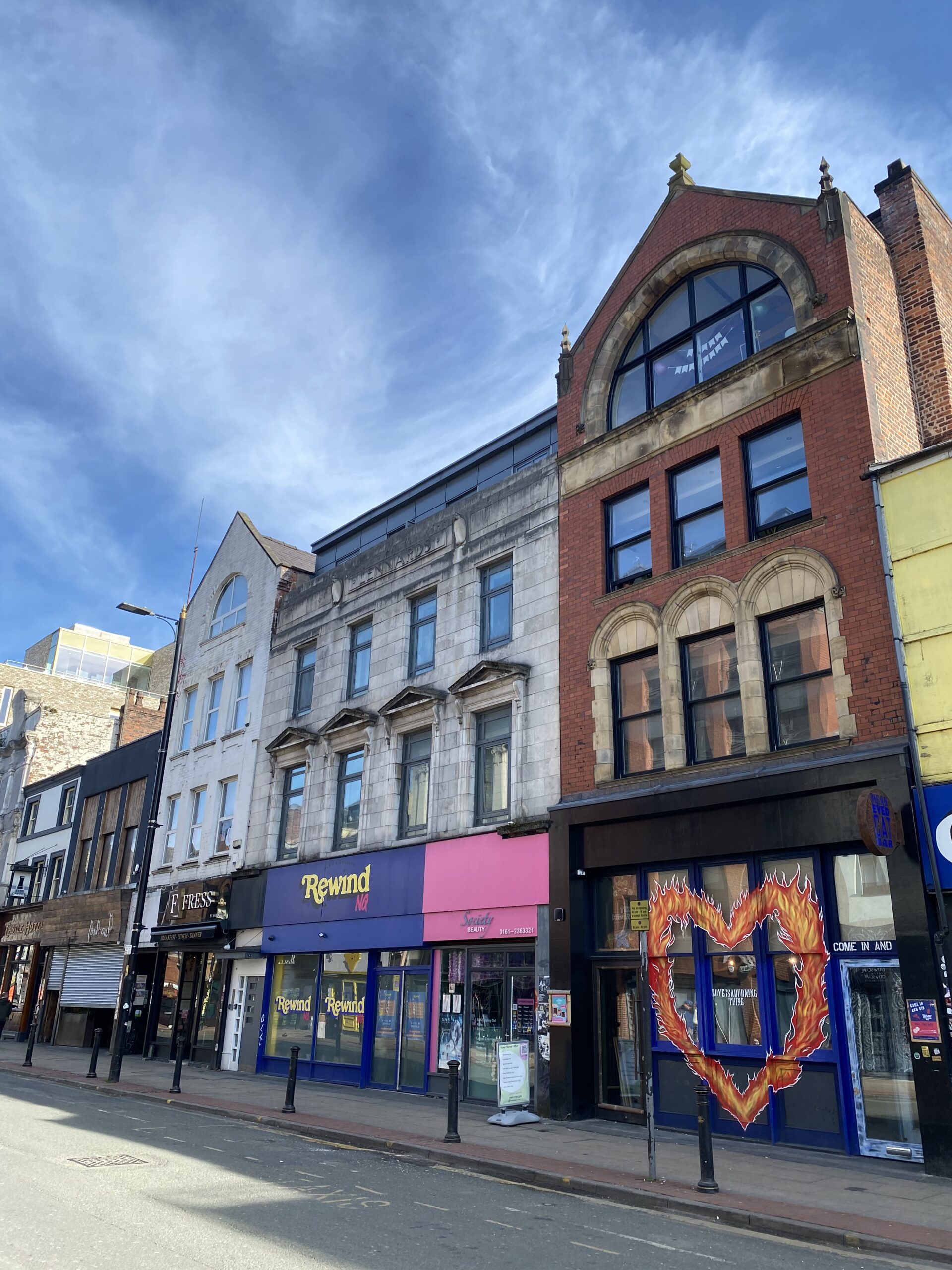
Two fashion retailers and a Beaverbrooks jewellers have traded in their stay on Oldham Street and in their spot is none other than a retro-themed bar and… an empty building.
The Mean Eyed Cat bar has taken over what was previously District, a futuristic sushi bar. You’d never have found that in 1960s Manchester.
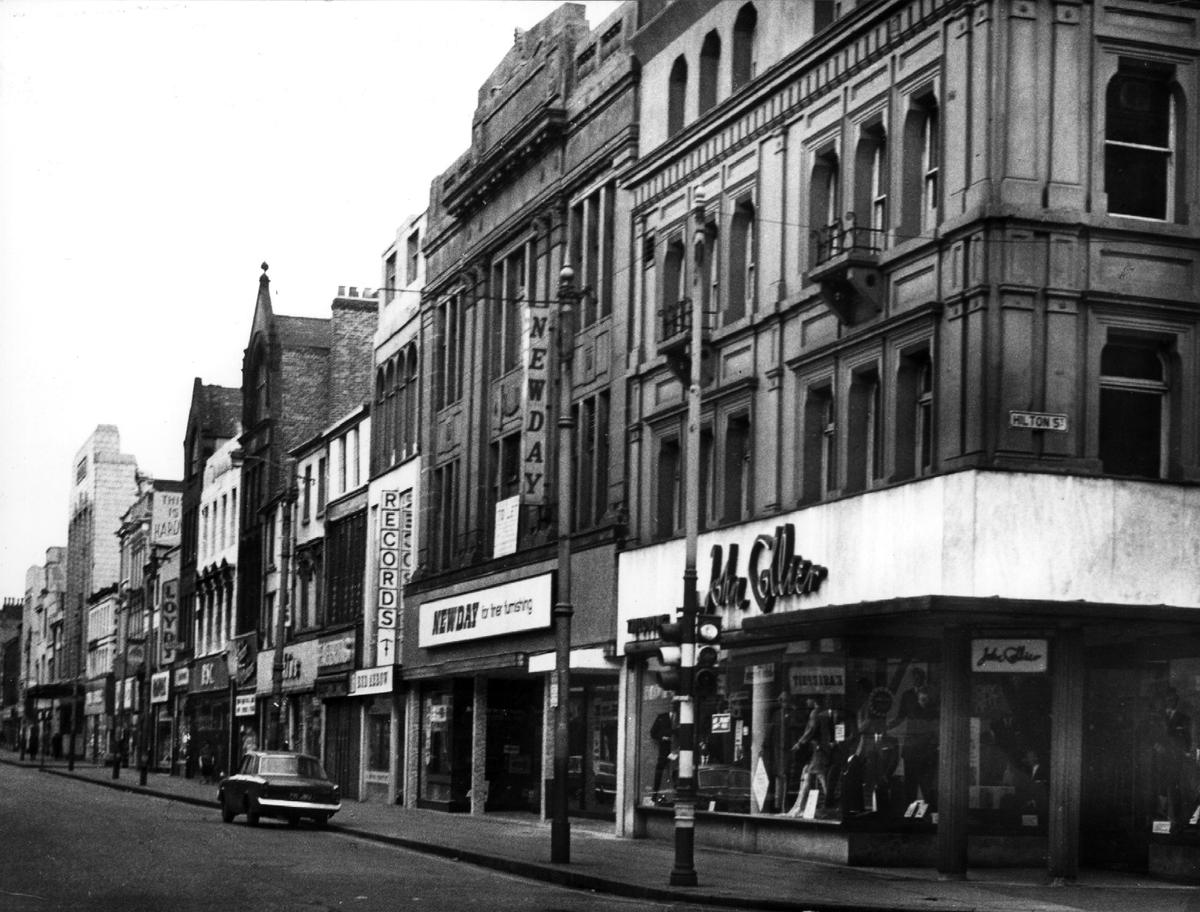
Oldham Street and Hilton Street, 1967
Credit: The Manchester Library/ The Manc Group
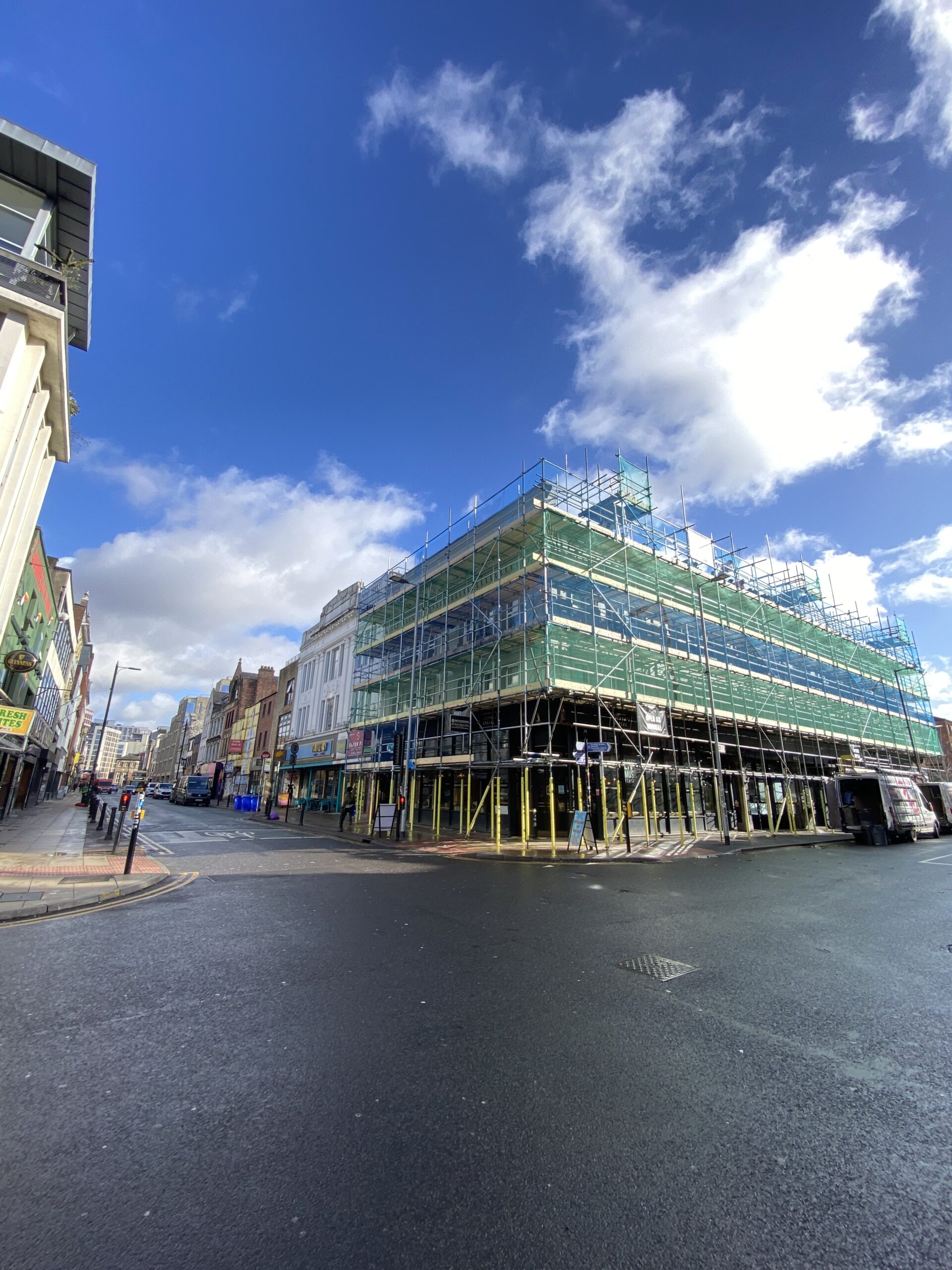
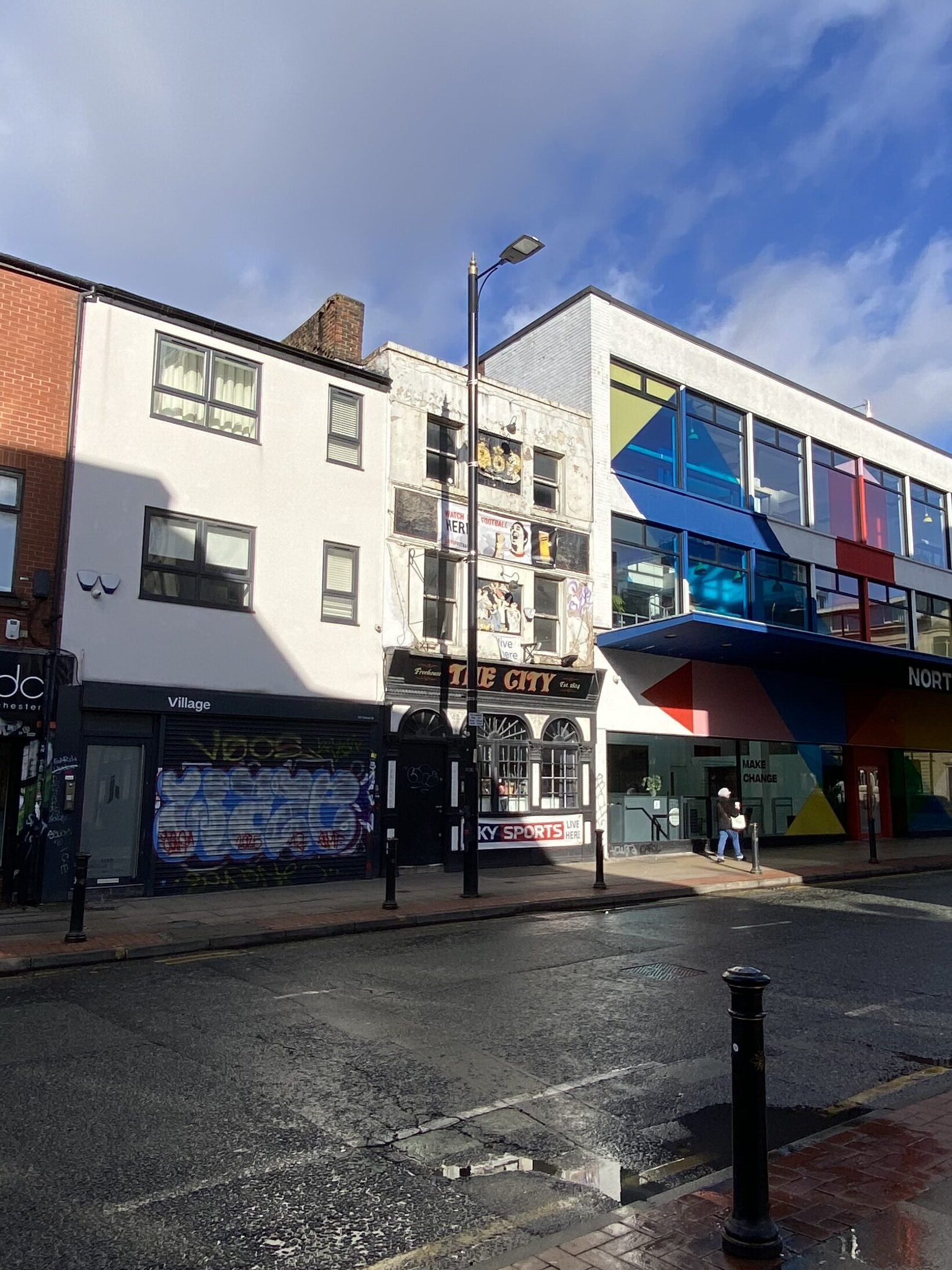
Underneath all that bright green scaffolding is a hostel, bar and pub, who, as with a lot of things in Manchester, are getting a make over.
It’s hard to tell but underneath all the building work are some gorgeous windows like in the photo from the 70’s that are still shining brightly today.
ADVERTISEMENT
The record shop may have been traded in for a Turtle Bay but there’s still some cracking places to dig through the crates: Vinyl Exchange, Piccadilly Records, Vinyl Resting Place and Vinyl Revival.
Oldham Street, 1970
Credit: The Manchester Library/ The Manc Group
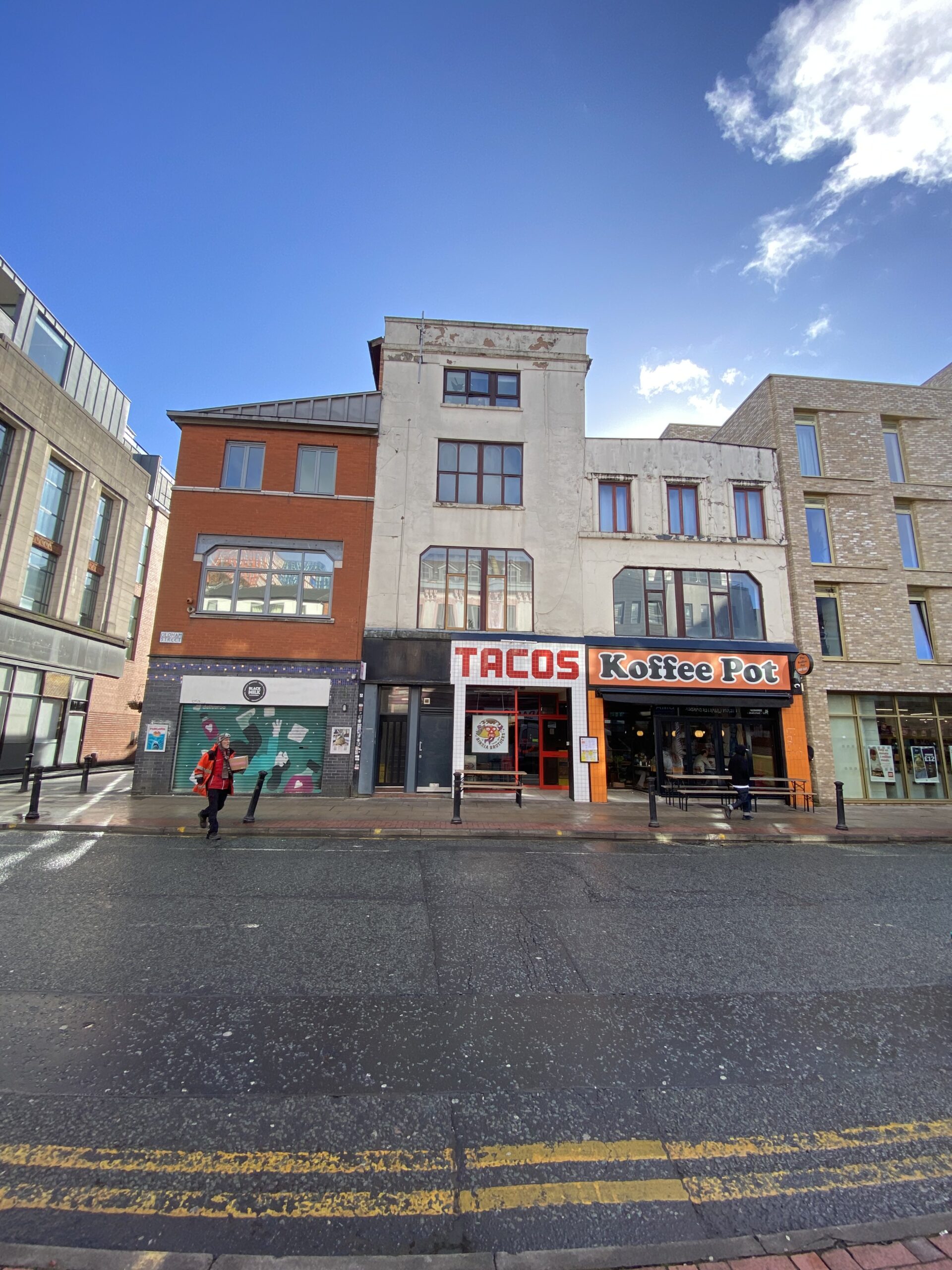
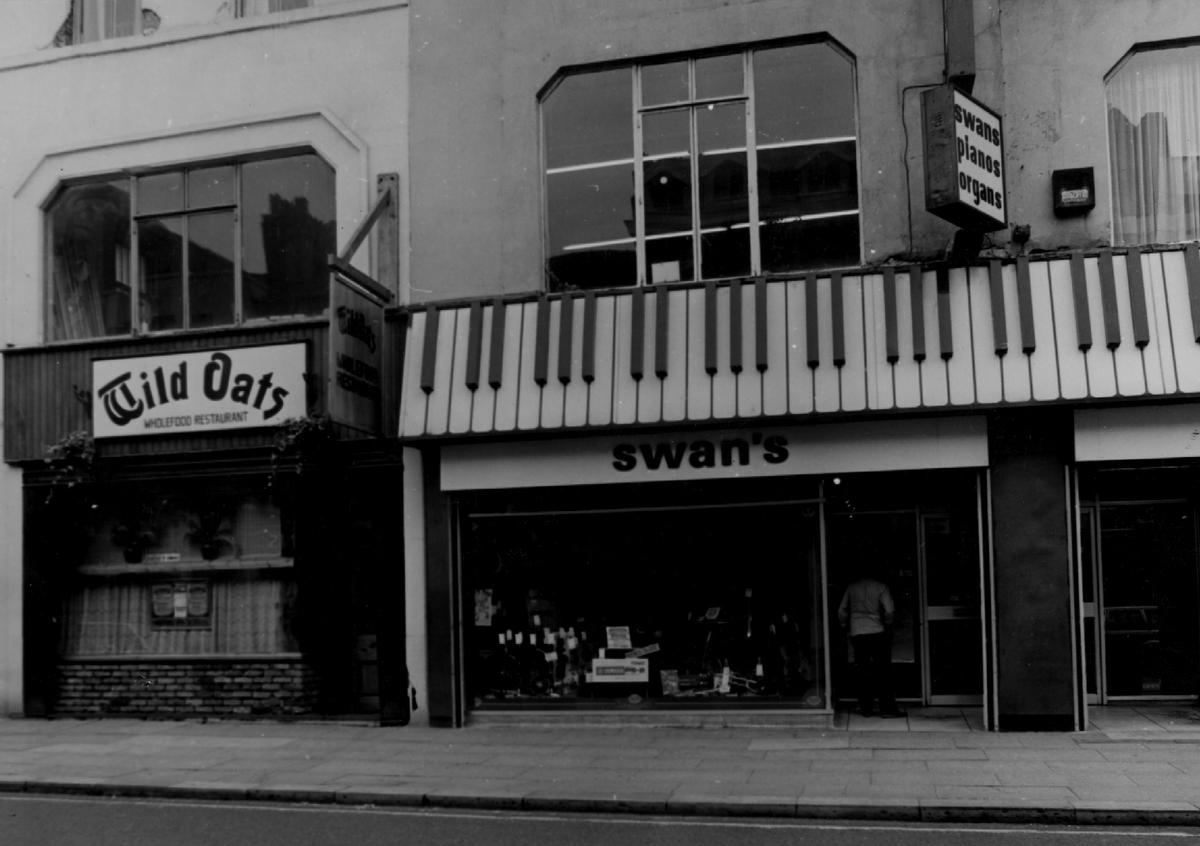
This picture is a national treasure in itself and we’re sure some readers will be very familiar with this piano-inspired shop front.
Swan’s Pianos and Organs were a music lover’s heaven with instruments galore and although it might not be standing today, in its place is another shop with a very important legacy, Koffee Pot.
This Manchester institution and slap up caff has been famed for its brekkie and brunch delights which warm the soul just like a musical melody.
ADVERTISEMENT
Oldham Street, 1986
Credit: The Manchester Library/ The Manc Group
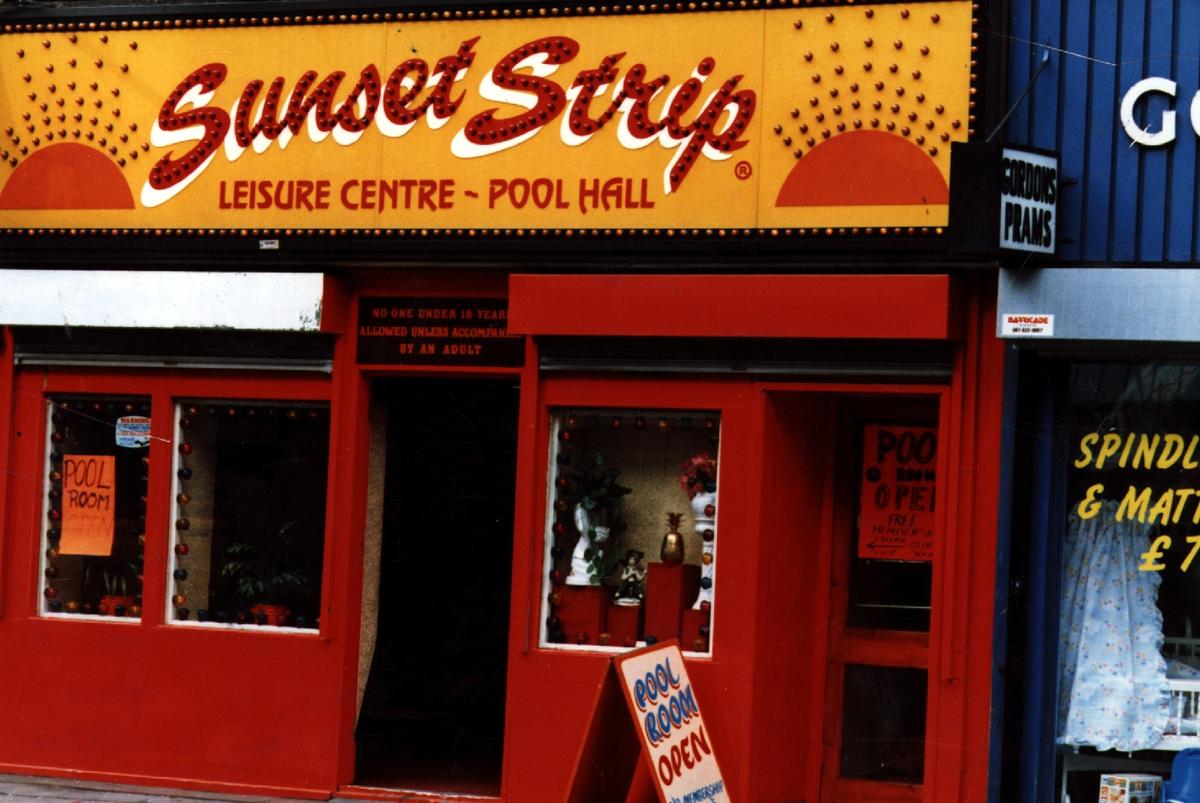
Sunset Strip was ahead of its time, if only it would’ve known that in today’s day and age a brand new pool hall would open up not too far away in Kampus.
Although this ball game establishment might not have been pairing rounds of pool with frozen margs and birria tacos, they were brightening the high street with their vibrant shopfront.
Nowadays rests ‘Northstar’ a creative workspace set to inspire forward thinking and inspirational ideas, they’ve even continued the colourful legacy of the pool hall prior.
Oldham Street you’ve always been at the epicentre of all things culture and we’re sure it’s set to stay that way forevermore, keep thriving R’kid!
Inside Tyga, as a Manchester favourite changes its stripes for a new era
Danny Jones
We recently had the pleasure of visiting Tyga, Manchester city centre’s latest Indian restaurant, which has taken the place of former local favourite, Asha’s.
The Peter Street spot had always been a great place for a curry and progressive takes on the nation’s staples, often pulling inspiration from the Rajasthan region, but now the unit is the start of a new chapter.
In truth, the food was always pretty damn good here – often truly great, even – as we found out the last time we reviewed it; however, it’s clear that there’s been a greater honing of the concept.
Put simply, Tyga is trying to elevate what the team already did so well, whilst adding an extra layer of fine-dining refinement.
@the.manc Peter Streets Indian spot Tyga, has had a serious glow-up, bringing a more refined, fine-dining take on Indian cuisine while keeping all the bold flavours at the heart of it. The 24-hour slow-simmered lamb shank is an absolute must, as is the butter chicken which just melts in your mouth. 😍 It’s not just about the food here though, with an extensive cocktail list that brings theatre to the table, they’re the perfect accompaniment to your table full of scran. It’s the perfect spot for date night, celebrations, or when you just want to seriously impress someone over dinner. 🍸 Get it booked. 📍 47 Peter Street, M2 3NG #themanc#tygamanchester#manchesterfoodie#manchestercurry#wheretoeatinmanchester♬ original sound – The Manc
You hear sentences like a ‘contemporary twist on cuisine’ and ‘modern approaches to classics’ recycled quite a lot, and we get it: it can be a great way to get across that you’re trying to push culinary tradition(s) forward, but it often feels a bit of a throwaway term that’s used far too much.
That being said, while there’s definitely a feeling of familiarity to this recently refreshed foodie lineup, this is one of the times and places where it actually seems like that phrase means something.
While the building and stunning venue itself might have stayed largely the same, bar some knick-knacks being swapped for a few different tiger-based decorations, the authentic clay-pot lamb, ‘Tyga’ prawns, salmon tikka, and Vepudu spiced stir fry show some real innovation.
A lot of these might be rooted in a kind of food we know very well here in Britain, but these latest iterations in recipes and experimentation with their components result in some very cool creations.
The ember wings were smoky and moorish in a way that we’ve not had in a restaurant like this before, and the lamb chops alone were worth ordering by the wheelbarrow full.
Small plates have also been thrown into the mix more seamlessly this time around, too, as have some of the Indo-Chinese options that feel less like a footnote now and, instead, like a continuation of the tweaking and trying out new things seen throughout the rest of the offerings.
Even the vegetarian/vegan section of the menu has been lifted in certain aspects, too, with previously popular dishes being brought back better and more beautifully presented than ever.
Before we forget, a special shout-out goes to those beetroot dill patties.
Speaking of presentation, although they might have simplified some stuff (such as the okra fries that simply need to be dumped on the table and be devoured in seconds by gannets like us), as mentioned, plenty of other bits have been levelled up.
It comes as no surprise, therefore, that they’ve just been voted alongside some fellow standout spots by the Asian Catering Federation.
They’ve never shied away from a bit of pageantry, and nothing has changed in that respect.
Everything from the plating to even giving you a rotating water jug that revolves on a single point and never spills has a bit of flair, without being too much or straying into gimmicky territory.
Most importantly of all, whether you want a classy room for your next date night, somewhere intimate the next time you go out for tea with your partner, or still fancy a more banquet-style feast for you and your mates in the form of the updated ‘Maharaja’s Grand Platter’, Tyga can turn its paw to any occasion.
Inside Levenshulme Antiques Village, Manchester’s three-story treasure trove of vintage finds
Daisy Jackson
If you’re the sort of person who gets a real kick out of saying ‘Thanks, it’s vintage’, then you probably already know of Levenshulme Antiques Village. But if not, allow us to show you around a little.
This three-story hypermarket has been trading out of the former Levenshulme Town Hall for decades, filling the 127-year-old building with items potentially even older.
It’s a vast antiques centre where every twist in the maze reveals vintage furniture, collectibles, artwork and curiosities from every era imaginable.
The building itself still carries plenty of charm and history from the building’s past as the local council offices, and thankfully very little of its personality was stripped away in the process of transforming the building into the Levenshulme Antiques Village.
Today, visitors still climb the grand staircase beneath soaring ceilings and pass through hallways lined with original wall-to-wall ceramic tiles.
There’s free parking outside (which is good, because you’re likely to leave with a boot-full of treasure), and once inside, the scale of the place quickly becomes apparent.
Friendly traders fill the building, many of whom are more than happy to chat, share stories behind their stock, or guide visitors towards hidden gems tucked away in quieter rooms. And there are plenty of gems to uncover.
A room packed with mid-century furnitureLevenshulme Antiques Village is a treasure trove of vintage findsJust look at this lot…
From antique furniture and oil paintings to jewellery, records, ceramics and shelves overflowing with nicknacks, the village rewards slow wandering. One moment you might stumble across a beautifully carved temple door; the next, a collection of vintage signs or a perfectly preserved mid-century cabinet.
The top floor is perhaps the most striking space of all. Once a ballroom, the enormous room still retains a sense of grandeur, with high ceilings and huge windows flooding the space with natural light, but is now transformed into a densely packed emporium of antiques and collectibles.
Outside, the experience continues with artist workshops and creative studios, among them is craftsman Kip Kaboli, known for producing handcrafted Japanese knives and even hosting oyster events. It’s an unusual but fitting addition to a place that celebrates both heritage and craftsmanship.
Old ceramic tiles still line the hallwaysThe on-site tearoom at Levenshulme Antiques Village
Halfway through exploring, many visitors end up at the affordable tearoom on the first floor, serving comforting classics like salad sandwiches and afternoon teas.
What makes Levenshulme Antiques Village special is not simply the volume of antiques packed inside, but the atmosphere, the warm welcome from traders, and the weird and wonderful history of the place.