Temple Bar: The public toilet that became a drinking den for Manchester’s musicians
From the poster-stapled walls to its graffiti-scrawled toilets, Temple is brimming with character - a rare breed of bar that offers something completely different to any ordinary pub visit.
Perched on the top deck of the Magic Bus one Saturday evening several years ago, peering out beyond the blurry windows at Oxford Road, I was suddenly taken by surprise.
As soon as The Cornerhouse Cinema flashed into view, my friend bolted from his seat, grasped the yellow railing and jabbed his index finger against the red ‘stop’ button.
A short, sharp pinging sound zipped through the cabin, and the juddering vehicle began to slow to a crawl.
This wasn’t supposed to be our destination.
“There,” he said, answering my quizzical expression by gesturing to a underground staircase in the distance.
ADVERTISEMENT
“Change of plan. We need to try this place. I’ve been wanting to go for ages.”
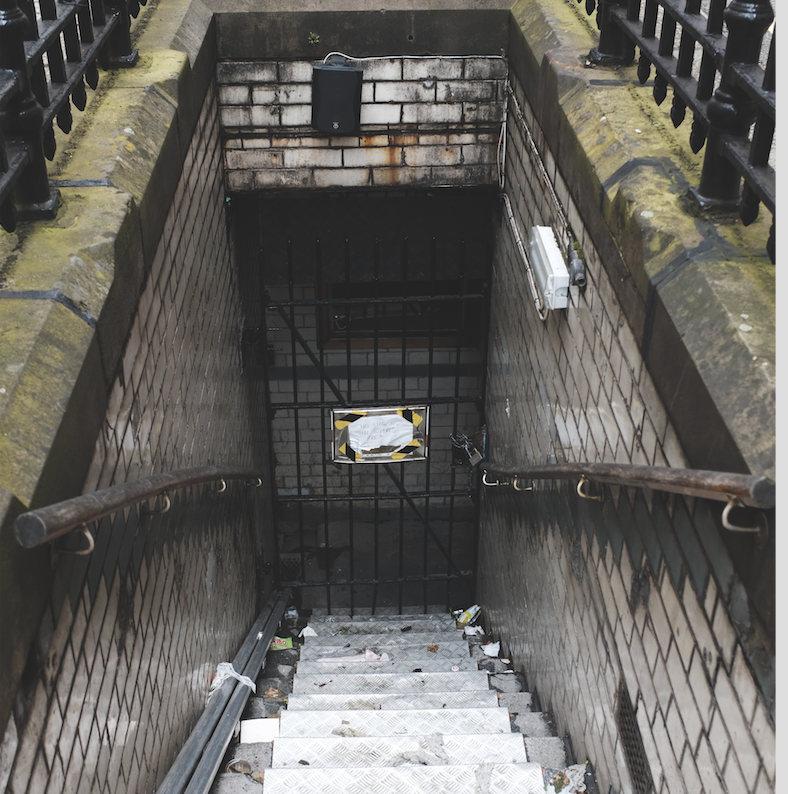
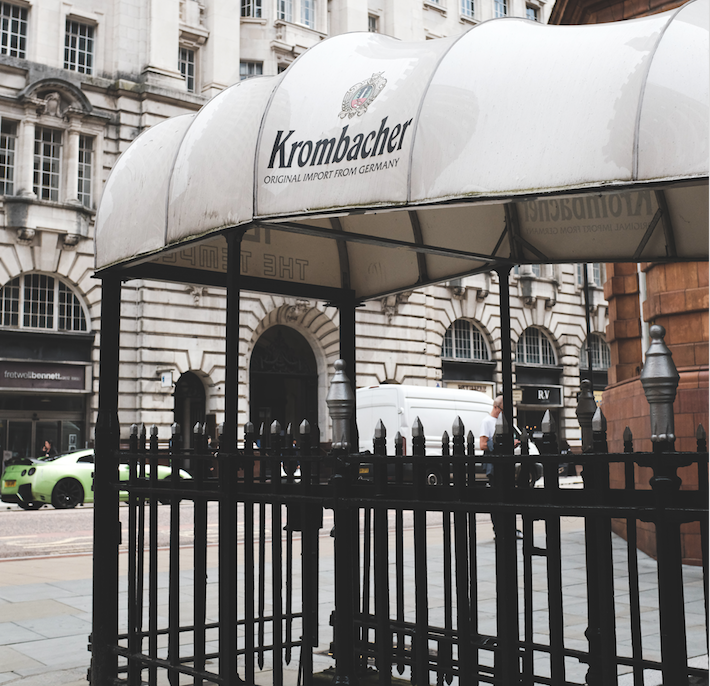
The doors hissed open and I clambered off the bus earlier than anticipated, strolling over to a set of stone steps, encircled by a black railings, covered by a white canopy.
ADVERTISEMENT
Printed overhead was a name. “The Temple”, it read.
We descended, and discovered a whole other world waiting for us at the bottom.
The night I first stumbled across Temple Bar – one of Manchester’s weirdest and most wonderful institutions – will live long in the memory.
ADVERTISEMENT
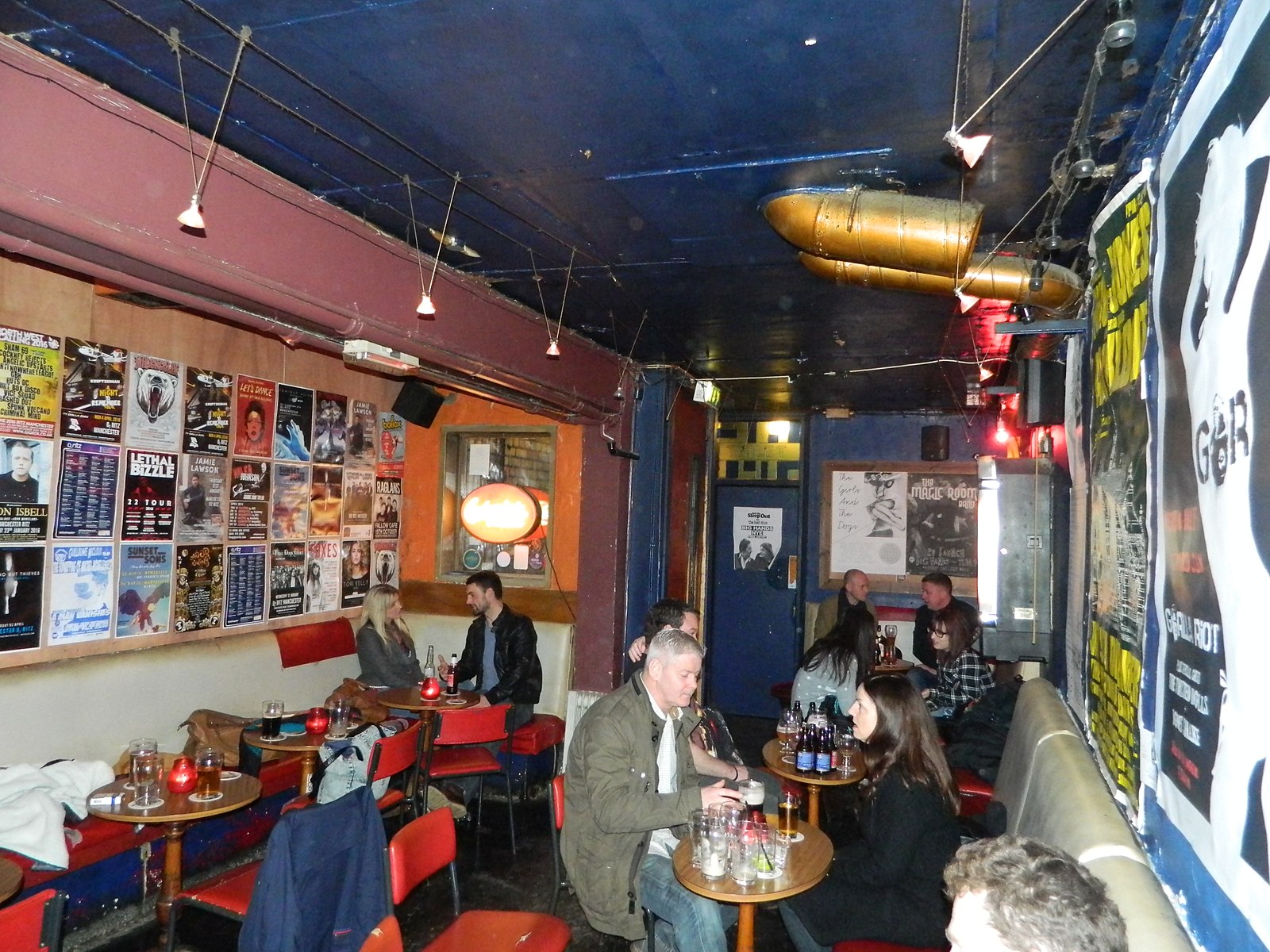
It was unlike any other pub I’d ever visited before; boasting a larger-than-life vibe that defied its diminutive size.
The place served as a public toilet over a hundred years ago during the Victorian era, but as TimeOut so aptly put it: “Temple Bar is anything but crap.”
Ever since being converted into a subterranean drinking den; the venue has become a real favourite among Mancs; earning a reputation for being low on frills but big on music.
Despite the fact that two dozen drinkers in here is a tight squeeze, Temple Bar is nonetheless the proud owner of the best jukebox in the city – serving a wide array of draught and bottled beer brewed from all around the world.
This has led to the cubby hole acquiring quite the creative cult following – with the bar being frequented by Manchester’s poets, writers, artists and, most prominently of all, musicians.
ADVERTISEMENT
Elbow lead singer Guy Garvey is a particularly popular patron, with Temple even inspiring some of the lyrics for his band’s song “Grounds for Divorce”.
There’s a hole in my neighbourhood, down of which I cannot help but fall.
Garvey told the BBC he spent many a night below Great Bridgewater Street penning songs – finding solace in scribbling away in the nether regions of the city centre.
Footage shows a newspaper cutting of the vocalist was even plastered on the side of the pub at one point; accompanied by a speech bubble saying: “Pint of Krombacher please”.
Despite being one the smallest watering holes in the city, Temple is among the most intriguing you’re likely to find.
ADVERTISEMENT
From the poster-stapled walls to its graffiti-scrawled toilets (you won’t need to scroll your phone for reading material in here), it’s brimming with character – a rare breed of bar that offers something completely different to any ordinary pub visit.
In a nutshell, you could describe Temple as tight-knit, offbeat, and obsessed with music.
Or in other words, utterly Mancunian.
Feature
The Peak District walk with amazing views, a cosy cafe, and a great pub at the end
Daisy Jackson
If you’re looking for a country walk that’s got a bit of everything – we’re talking views, lakes, history, picturesque villages and, crucially, pints – this is the one.
Step across the Greater Manchester border into High Peak, and you can take on a circular walk that’s got it all.
The walk takes in all the best bits of the English countryside, from rolling hills to proper pubs.
Park in the village of Hayfield, then head out west to join the Sett Valley Trail, which joins Hayfield and New Mills.
The trail itself is 2.5 miles and follows a former railway line – but now it’s a tree-lined trail that’s perfect for a gentle stroll, cycle or even horse ride.
You’ll pass the Birch Vale reservoir, but won’t be following the trail all the way to New Mills.
Get as far as Emma’s Sett Valley Cafe and stop for an early break – indulgent hot chocolates, great bakes, and a decent amount of brunch dishes beneath colourful festoon lighting.
Emma’s Sett Valley Cafe. Credit: The Manc Group
Once you’re fuelled, head slightly back on yourself to skirt Birch Vale Reservoir, cross the River Sett, and walk towards Sitch Lane.
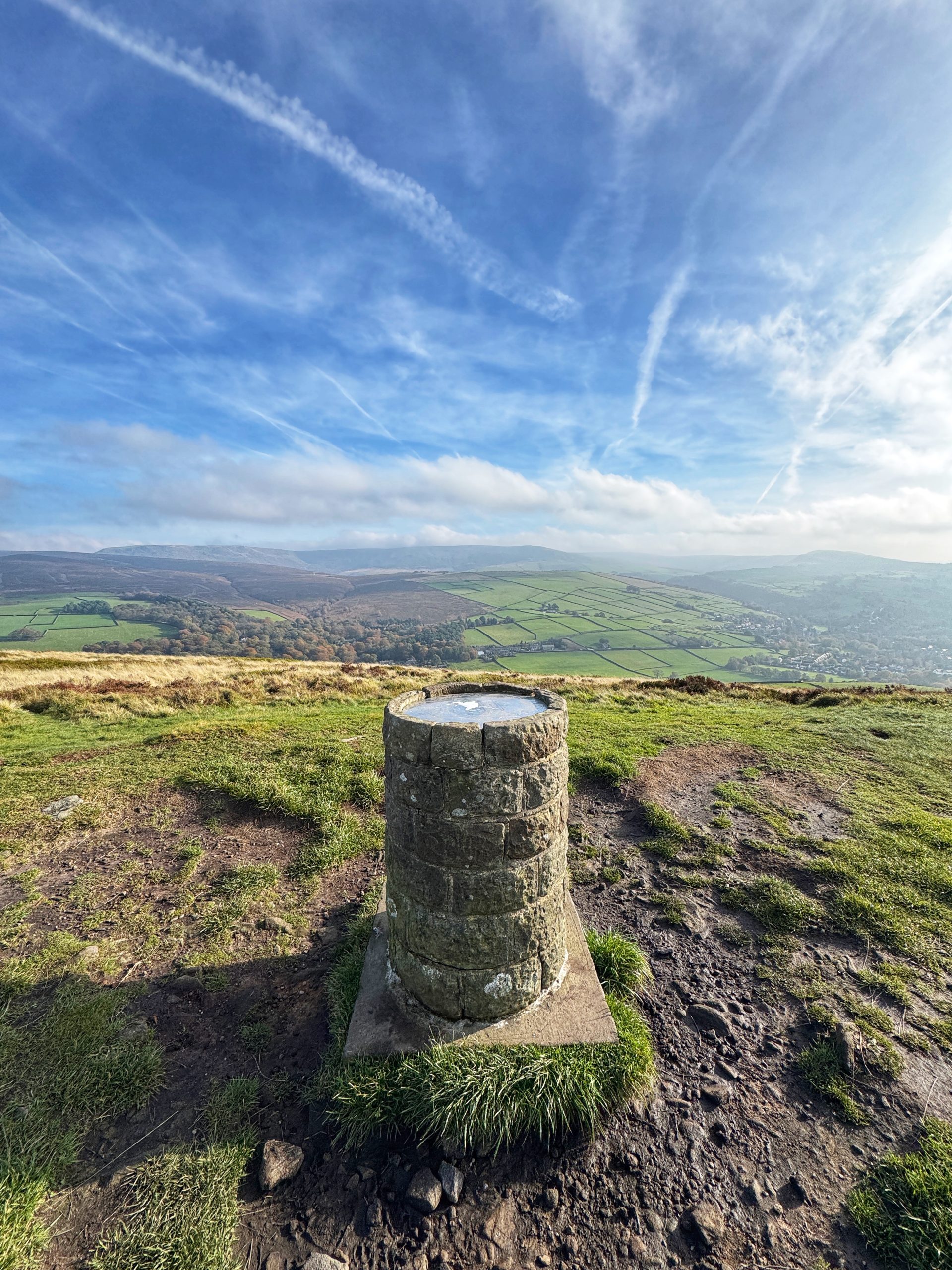
The road will take you to the very edge of the Peak District ready for an uphill climb to the peak of Lantern Pike.
It’s not a giant by Peak District standards (373m compared to Kinder Scout’s 636m) but the views are 360 degrees – fields on all sides and the incredible Manchester skyline in the distance.
Walk straight over the summit and down the other side, walking along the edge of Hey Wood and across fields full of friendly cows, past Little Hayfield and back into the main village of Hayfield.
Views from the Sett Valley trailSummiting Lantern PikePretty views near Little Hayfield
Here you’ll find The Pack Horse, a country pub that’s gained some serious accolades in recent years.
Famed for its seasonal, locally-sourced menu, at this time of year you can expect hearty post-hike lunches like sharing pies, Manchester eggs, and incredible Sunday roasts.
Despite a top-notch menu, the pub is more than happy to welcome in customers (and dogs) who are covered in mud – as all good countryside boozers should.
Sharing pie at The Pack Horse in HayfieldThe Pack Horse in HayfieldTheir famous Manchester egg
You can see a map of the circular walking route at AllTrails HERE.
Mercury Prize 2026 review: RAYE takes home the crown as Newcastle celebrates the very best in music
Clementine Hall
One of the biggest nights in music kicked off last night as the Mercury Prize 2026 was awarded.
If there was ever a night to fall head over heels in love with British and Irish music, the 2026 Mercury Prize made a very convincing case.
Bringing together some of the country’s most exciting artists under one roof in Newcastle, this year’s ceremony was a reminder of just how much talent is packed into the current music scene.
From established legends to the names shaping what comes next, it was an absolute belter.
Images: Audio North
Held at the Newcastle Utilita Arena for the second year running, I think everybody in that room felt very lucky to be there to see firsthand who took home the coveted prize.
The shortlist brought together an impressive mix of artists, with Florence + The Machine, Olivia Dean, JADE, Suede, Pulp, Dave and Sir Paul McCartney among the big names making the lineup very star studded indeed.
Suede kicked things off with ‘Dancing With The Europeans’, bringing their unmistakable energy to the ceremony, while Pulp delivered ‘Begging For Change’ as part of the HELP(2) charity compilation.
It was a line-up that demonstrated the sheer range of music being made across the UK and Ireland, from contemporary pop to established rock and even jungle thanks to Bradford’s own Nia Archives.
And of course, there was one woman who had every reason to leave with a smile on her face.
RAYE took home the coveted Mercury Prize for THIS MUSIC MAY CONTAIN HOPE., an ambitious, genre-hopping album that blends jazz, soul, R&B and classical influences into something so fabulously unique.
Image: Audio North
Newcastle’s own Knats performance was definitely a highlight of the evening, combining slick jazz with spoken-word poetry against a projection of The Tyne Bridge.
A fitting image, and one that underlines the importance of holding such huge events in the north and highlighting the obvious talent that thrives here.
The 2026 Mercury Prize was a brilliant showcase of the country’s music at its best.
And with RAYE taking home the trophy, it’s clear there is plenty of ‘hope’ left in British music.

 The Manc -
30th July 2020