When we take a look back at the past 18 months, it’s difficult to see another industry that’s taken a harder hit than the Night Time Economy.
As the reality of the COVID-19 crisis began to set in back in March 2020, nightclubs and culture venues were forced to close their doors and largely remain shuttered until merely a few weeks ago, and while theatres and live music venues were able to reopen for short periods of time to stage performances, this had been under strict restrictions around capacity, movement, mask wearing, and social distancing to keep people safe.
Those ongoing restrictions, combined with “insufficient sector specific financial support from government”, at one point meant that the sector and its supply chains were at real risk of collapse.
A dedicated group of cross-party MPs, peers, and leading industry figures even had to come together in December 2020 to establish an All-Party Parliamentary Group (APPG) to represent the best interests of the sector – which it said had been particularly under-represented politically, and undervalued both culturally and economically by government.
The group stated that the Night Time Economy had “borne the brunt of COVID restrictions”, and that it believed the crisis was an “existential threat” to the industry.
ADVERTISEMENT
“The sector has faced enormous challenges, and thousands of bars, nightclubs, and live events businesses are at risk of collapse,” Labour MP for Manchester Withington Jeff Smith said at the time the AAPG was formed.
To put it simply, it wasn’t looking good.
ADVERTISEMENT
It’s difficult to see another industry that’s taken a harder hit than the Night Time Economy over the past 18 months / Credit: Pixabay | pxhere
And for a region with a cultural footprint as significant as Greater Manchester’s, and a proud tradition of music, arts and entertainment – with music tourism alone having been said to generate £169 million for the local economy pre-pandemic – it truly could have been devastating.
But when the final stage of the government’s roadmap to lifting lockdown was confirmed to commence from 19 July, venues were finally given the long-awaited green light to reopen as normal, and the struggling industry could breathe a collective sigh of relief.
While reopening may have been the goal, the challenge was far from over though.
ADVERTISEMENT
Our venues arguably needed support from the community at this time more than ever, and so to make sure were doing our bit to help Greater Manchester get back on its feet, The Manc teamed up with multi award-winning streaming platform StreamGM last month to show some serious love and support to the region’s renowned theatres, nightclubs and live music hubs with the launch of SeeGM – a digital campaign to shine a bright spotlight on many of the amazing events, club nights, gigs and shows in our region.
https://www.instagram.com/p/CRW2vepoXl8/
The aim of the #SeeGM campaign was to inspire residents to revisit their favourite haunts, buy tickets for future events, and safely experience more of the region’s vibrant culture and nightlife.
“Greater Manchester is the city of 24-hour party people,” our Brand Director Anna Gledson said on the launch of the SeeGM campaign last month.
“We hope with everyone’s support, our region’s venues will be thriving again very soon.”
We were keen to encourage people to take to social media to post both their happy memories of times spent at gigs, shows and events gone by, as well as share their first experiences of heading ‘out-out’ after 19 July, all while promoting being kind and respectful to staff, other audience members, and partygoers.
ADVERTISEMENT
We did this through a dedicated social and editorial content strategy that involved the views and suggestions of our audience of over one million loyal Mancunians across our social media platforms – touching on everything from the best nights out in Greater Manchester, to some of the best arts and culture events to visit this summer.
We also had the pleasure of speaking to some leading industry figures for the SeeGM video series to get their take on why Greater Manchester’s nightlife is so world-renowned.
https://www.instagram.com/p/CRo4WB6oBft/
https://www.instagram.com/p/CR657MYID1l/
Speaking on the wealth of content created for the SeeGM campaign over the last month, Laura Graham – co-founder of StreamGM – said: “For the SeeGM video series, we interviewed different people who curate, promote, perform, or work in these places and ask them about reopening, what safety measures they have in place and why they think Manchester is the best for nightlife and culture.
“We got some real insight, charisma and heartfelt quotes from our interviewees, and this helped to raise awareness and remind people why Manchester is just a cut about the rest.
“Our grassroots venues, nightclubs and performance spaces are helping us heal emotionally from the pandemic through enjoying shared experiences and being able to socialise properly again.”
ADVERTISEMENT
https://www.instagram.com/p/CSM7hJyIBKC/
Touching on the success of the campaign, Laura added: “It’s been ace getting positive feedback from local operators about SeeGM and so good to see people out in these places having a blast and dancing together again.
“A huge thank you to everyone who took part in the campaign for helping make SeeGM so much fun to create.”
___
The #SeeGM campaign may be drawing to a close, but Greater Manchester is still thriving.
So, what can you keep doing to help? Well, as the region continues to open up and adapt to the new normal over the next few months, the support of residents will still be as important as ever, so make sure you experience all the region has to offer as safely you possibly can, while respecting staff, surroundings, locals and fellow partygoers – and most of all, keep making Manchester proud.
ADVERTISEMENT
Don’t forget to check out all our content from the #SeeGM campaign over on Facebook, Twitter, and Instagram, as well as on themanc.com.
Pussycat Dolls at Co-op Live – tickets, times and more for UK tour
Thomas Melia
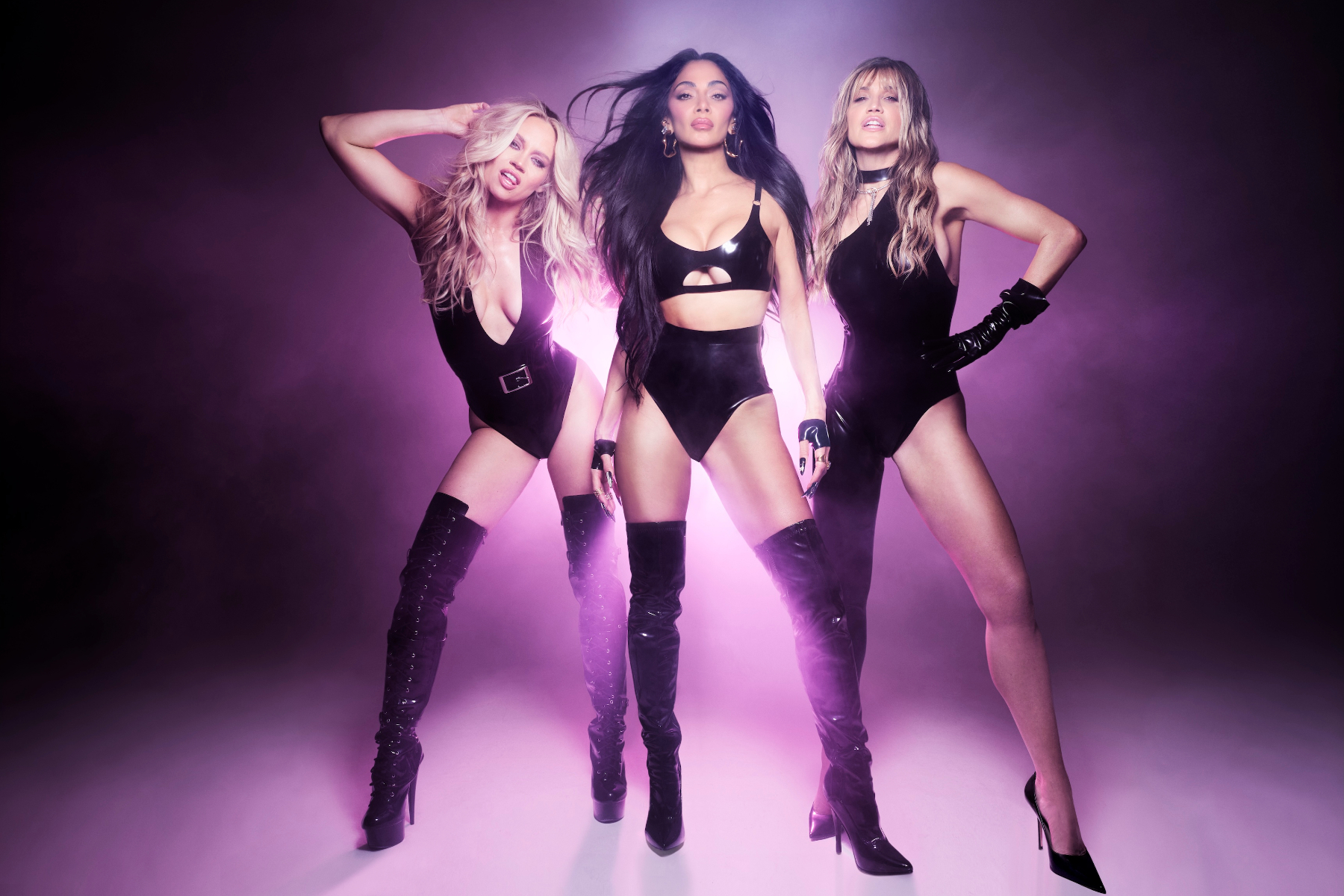
American girl group Pussycat Dolls have reunited for a UK tour, stopping off at Co-op Live in Manchester with their powerhouse pop anthems.
Releasing their first LP in 2005, this pop girl group have a variety of radio hits to their name like ‘Don’t Cha’, ‘When I Grow Up’ and ‘Buttons’.
Over the years, the Pussycat Dolls lineup has gone through significant changes with this latest reunion comprised of Nicole Scherzinger, Kimberley Wyatt and Ashley Roberts.
The trio even released some brand-new material to coincide with the announcement of their UK and EU tour titled ‘Club Song’.
Now the girls are about to put their Doll Domination to the test as they bring their PCD Forever Tour in arenas across the nation.
Gig guide – Pussycat Dolls at Co-op Live, Manchester
Doors for Pussycat Dolls at Co-op Live open from 6pm with a start time listed of 7pm with Lil’ Kim and rising girl group Deja Vu kicking things off.
Co-op Live has a strict curfew of 11pm, meaning you can get home and loosen your ‘Buttons’, hopefully before the clock strikes twelve.
How to get to Co-op Live
Tram
For those of you heading to Co-op Live, you’ll be glad to know it’s right next door to a rather famous big blue stadium and its integrated Metrolink stop.
Head along the light blue or orange lines directly to the Etihad Campus or Ashton-under-Lyne, and you can get off the tram literally spitting distance from the arena. You can find the full map HERE.
Trams run frequently on the Ashton-Eccles line to the Etihad stop, with services leaving every six minutes from the city centre and until 1am on Fridays and Saturdays.
Bus
You can find the full list of bus routes HERE, with the one in closest proximity to the venue being the 53 bus, which runs from Cheetham Hill through to Higher Crumpsall, Old Trafford and Pendleton, leaving just a two-minute walk to Co-op Live.
Getting there by car and parking
If you’re driving, there is limited parking available at the venue, but this must be pre-booked ahead of time, and there are designated drop-off areas.
The postcode is M11 3DU, and you can follow the signs towards the wider Etihad Campus as you get closer; directions to the adjacent drop-off points will also be signposted.
Keep in mind that congestion on the roads close to the stadium is expected to gather around two hours prior to any event, so if you are travelling on the road, these are the suggested times they provide on event day, though estimates will obviously vary:
Alan Turing Way (both directions): plan an additional 20 minutes into any journey by road.
Hyde Road (eastbound): expect an additional 15 minutes to be added to your journey.
Mancunian Way (westbound): plan for an extra 10 minutes of travel time.
There are also three park-and-ride facilities near Co-op Live, but be advised that the Velopark and Holt Town stops will be closed post-event to help safely manage crowds:
Ashton West (Ashton line) – 184 spaces and 11 disabled spaces
Ladywell (Ashton-Eccles line) – 332 spaces and 22 disabled spaces
Walk/cycle
Lastly, Co-op Live is only a half-hour stroll from Manchester Piccadilly, and you could even walk along the canal all the way to the front door if you fancy taking the scenic route.
Greater Manchester now also offers the option to hire bikes on the Beryl app, with riders able to locate, unlock, get to their destination and then safely lock up the bike all through an easy-to-use app. There are hire points just near the south-west corner of the Etihad Stadium on Ashton New Road.
For more information on all travel options, you can check out the enhanced journey planner.
Nickelback announce massive Manchester gig on new world tour
Daisy Jackson
Nickelback have announced a massive world tour, which will include a night at the Co-op Live in Manchester.
The Canadian rockers will be performing here, with a setlist of their biggest hits as well brand-new music.
Nickelback have announced the Everything Under The Sun Tour in support of their upcoming 11th studio album of the same name.
The tour follows their record-setting Get Rollin’ world tour, and will once again take them to venues across North America, Europe, and Australia.
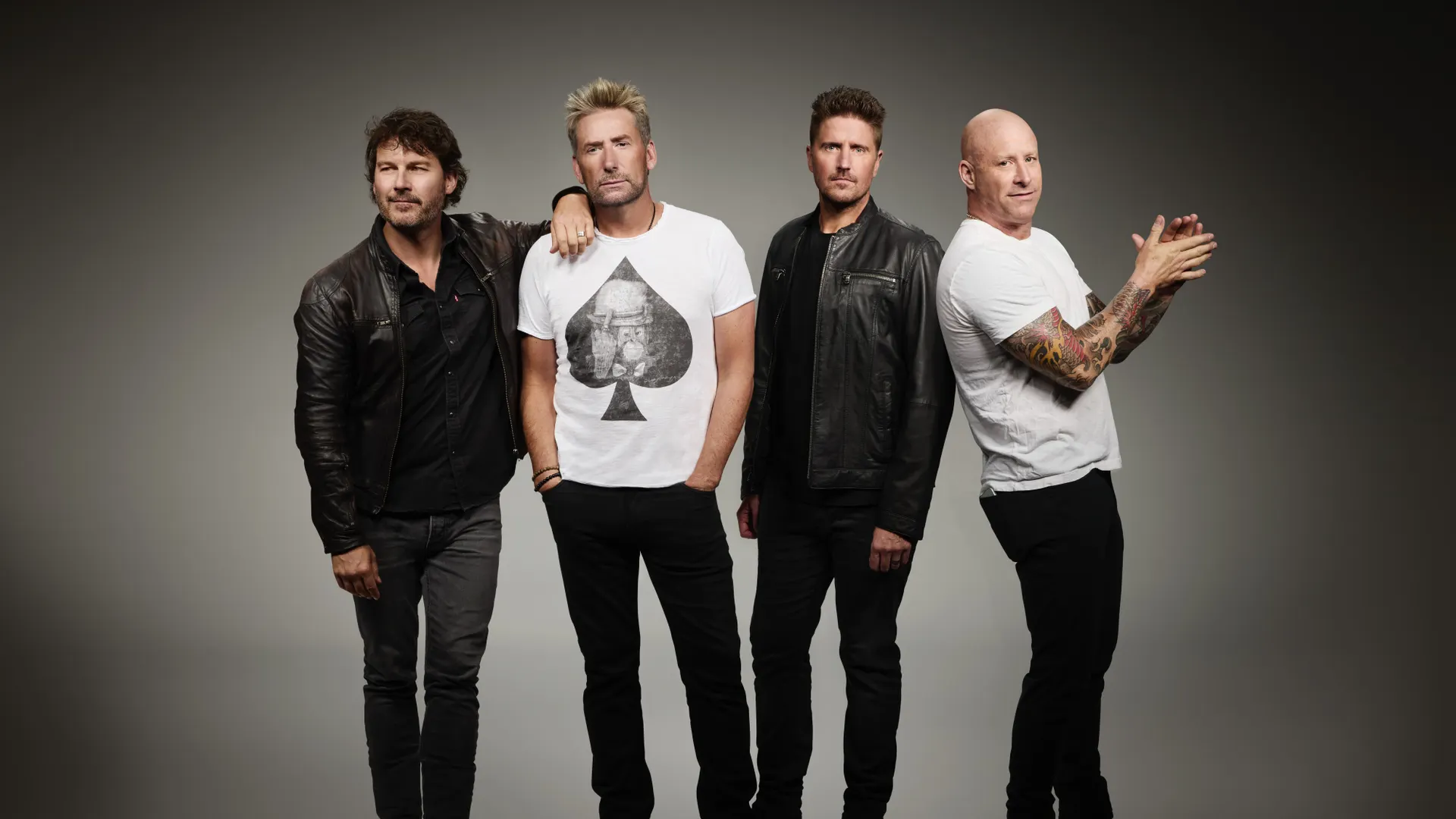
Formed in Hanna, Alberta, the band made up of Chad Kroeger, Ryan Peake, Mike Kroeger and Daniel Adair, have sold nearly 65 million albums worldwide.
Best known for rock anthems including Rockstar, Photograph and How You Remind Me, Nickelback have built up a huge global following over the course of their career.
The group have sold nearly 65 million albums worldwide, and achieved billions of streams across digital platforms.
The upcoming tour will see the band celebrate their new album, Everything Under The Sun, and they’ll be kicking off the UK leg of the tour in Leeds before performing in London, Birmingham, Glasgow, and eventually Manchester.
They’ll be supported on the tour by Don Broco, an English four-piece featuring Rob Damiani, Simon Delaney, Tom Doyle and Matt Donnelly, known for their genre-defying sound and dynamic approach to modern rock.
Tickets will go on sale via artist presale from 10am on Tuesday 13 October, before general sale kicks off at 10am on Friday 16 October HERE.

 The Manc -
17th August 2021
The Manc -
17th August 2021