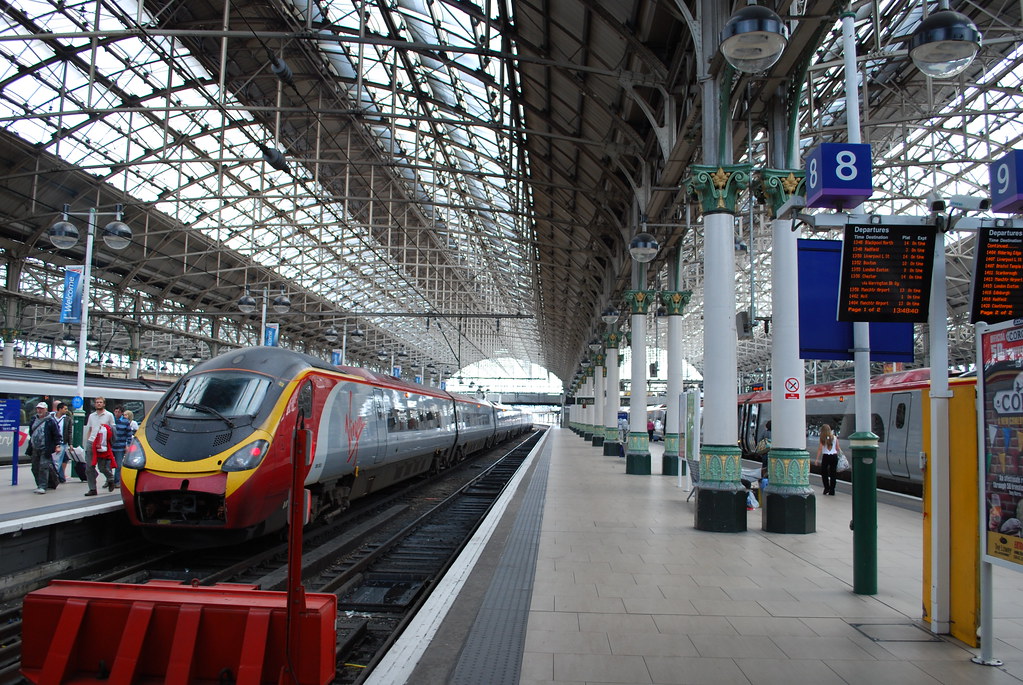
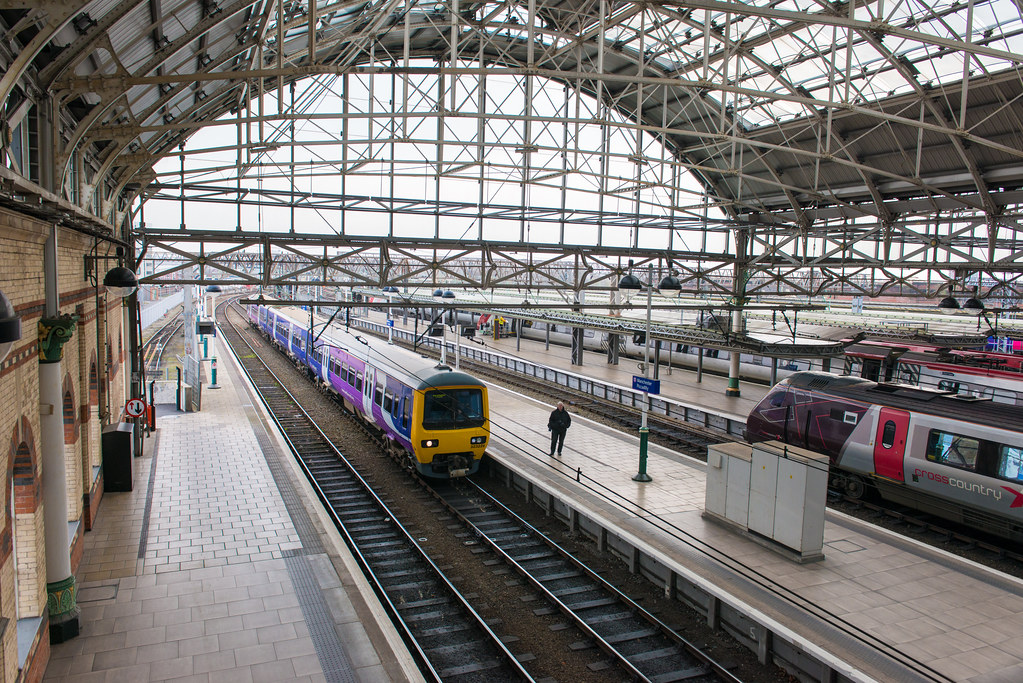
The UK government have outlined the next steps for the development of rail links between Manchester and Liverpool as part of the upcoming ‘Northern Powerhouse Rail’ plans, aiming to boost connectivity between more towns, citiesand rural areas.
Forming part of the Department for Transport‘s (DfT) wider Network North plans, which is receiving over £36 billion in funding, the next phase of the railway redevelopment will see journeys between Manchester and Liverpool massively improved.
Following meetings with local leaders and Northern MPs who expressed support for Northern Powerhouse Rail, the plans are also set to benefit the likes of Warrington Bank Quay and Manchester Airport as well as the two cities’ main stations.
It’s estimated that an additional £12 billion in taxpayer money will be directed towards the overall Powerhouse project with a view to act as a “catalyst for economic growth across the North of England by transforming east-west transport links and better-connecting people to work, education and business opportunities.”
What does this look like on paper? Well, first and foremost, projections have it that train travel time between Manchester and Liverpool is set to be reduced from approximately 50 minutes to around just 35 if all goes to plan.
ADVERTISEMENT
A statement from DfT goes on to detail how this “will also mean passengers are able to ‘turn up and go’, knowing the next train will only be 10-15 minutes away.”
Moreover, it has been suggested that passenger capacity could also be trebled between the likes of Liverpool and Leeds, offering 2,100 extra seats per hour in each direction and, in turn, having a positive knock-on effect at other Northern stations. Mayor Andy Burnham also feels confident that discussions surrounding a Manchester underground are now also a possibility.
ADVERTISEMENT
With options also posed for the redesigns of both Manchester Piccadilly and the approach into Liverpool, these sound like real tangible changes we’ll genuinely be able to feel the impact of. Brilliant news – provided the plans stick, of course.
🚆"We have long argued for an underground option at Manchester Piccadilly and finally the door has been opened to it."
Today's announcement from the Transport Secretary is a breakthrough for Greater Manchester and Northern Powerhouse Rail.
Better still, as part of Northern Powerhouse Rail, places like Liverpool, Warrington and several towns east of the Pennines could also benefit from direct services to Manchester Airport, with journey times slashed by almost an hour and passengers from Leeds potentially seeing a 41-minute reduction.
Lord McLoughlin, Chair of Transport for the North, said of the latest plans: “We welcome the progress of further engagement with Northern political and business leaders. It’s essential that any final route is place-based and meets the ambitions of local leaders for their residents and businesses.
ADVERTISEMENT
“Northern Powerhouse Rail is a key cornerstone to how we transform the North for generations to come. We look forward to working with the government to realise our shared ambition for a rail network that the people and businesses of the North truly deserve.”
With long-term investment in the huge infrastructure having been boosted since it was initially outlined back in 2020, Northern Powerhouse Rail is slated to be finished any time between 2029 and 2040. It’s still a long way off and the HS2 saga has certainly taught us not to get carried away, but it’s a start.
Featured Images — Hugh Llewelyn (via Flickr)/ HS2/Bob Martin (via Flickr)/Wikimedia Commons
News
Greater Manchester’s heritage railway issues statement as it’s forced to cancel services this week
Emily Sergeant
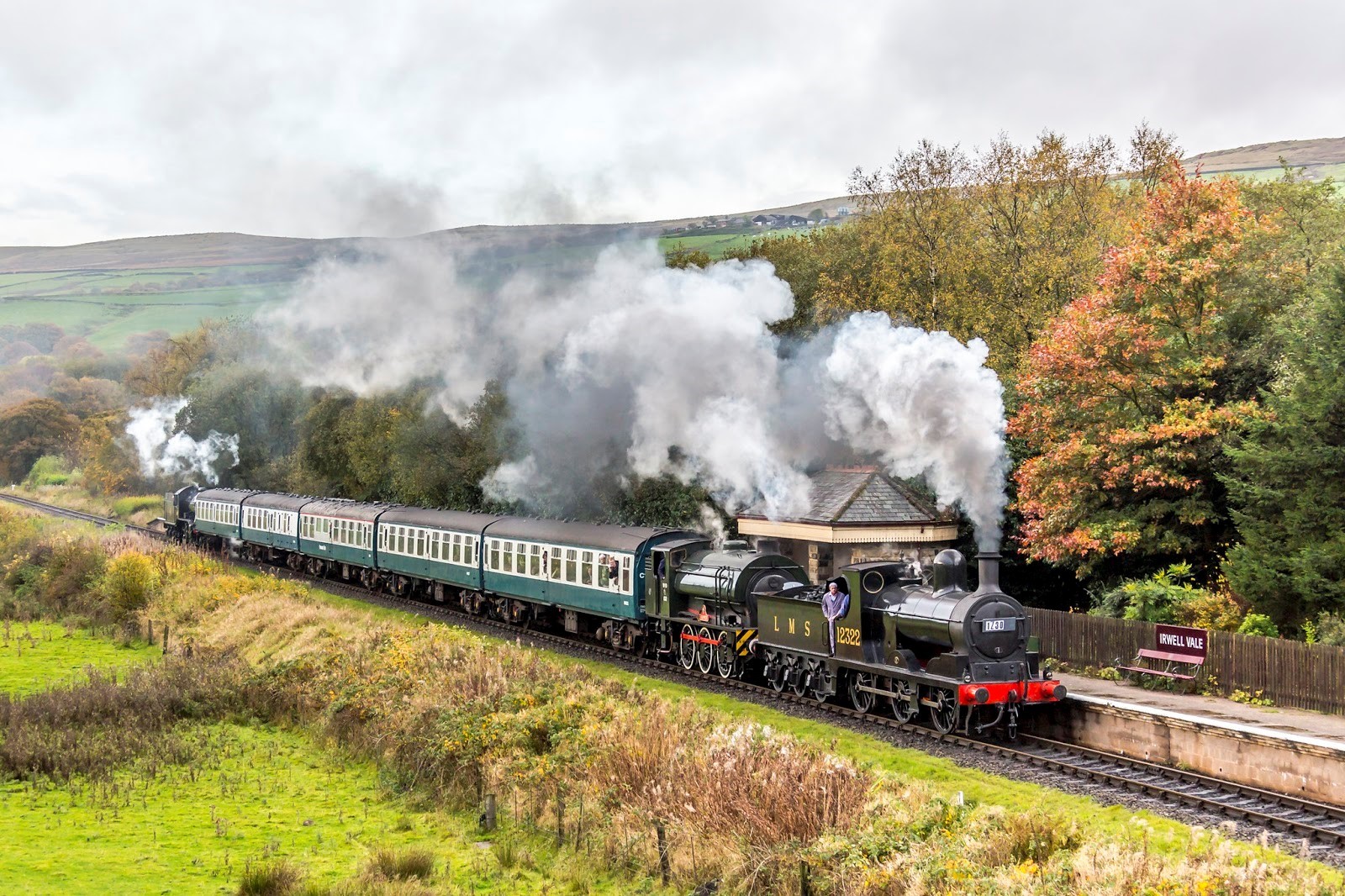
Greater Manchester’s iconic heritage railway has been forced to cancel its services this weekend due to the heatwave.
In case you hadn’t heard, Amber Extreme Heat warnings and heat-health alerts have been issued by the Met Office and the UK Health Security Agency (UKHSA) through to Thursday this week – with temperatures widely exceeding 35°C nationwide, and in some areas – particularly on the south coast – potentially even reaching 38°C.
Heatwave conditions in the UK are met when a location records a period of at least three consecutive days with temperature values meeting or exceeding the heatwave temperature threshold for that location.
It does seem, however, that northern parts of the country – especially the North West – are missing most of the extremely hot conditions.
Current forecasts indicate that the peak temperatures for Greater Manchester this week will be tomorrow and Thursday, with highs of 33°C in the city centre.
Despite not reaching the heights of the south, East Lancashire Railway (ELR) has still had to act in advance and has taken the decision to cancel its scheduled services for the next two days as the forecast is ‘too severe’.
Taking to social media to share its decision today, ELR wrote: “Due to the current weather warning for the UK, the decision has been taken to cancel all services on Wednesday 24th and Thursday 25th June 2026, including the afternoon tea and mid-week luncheon dining experiences.
“The welfare of both staff and customers is paramount to the ELR, and we believe that the risk in the extreme heat that has been forecast is too severe to allow for the running of our ordinary services.”
As things stand, ELR says its current plan is to have services resume with the evening dining train on Friday 26 June, but this will still be ‘subject to review’, and further updates on this will be issued later in the week.
Visitors who have already pre-booked services over the two cancelled days will be contacted via email to have their options explained to them.
“We apologise for any inconvenience,” ELR closed out its statement.
Featured Image – ELR
News
TfGM issues safety warning and advice for travelling on public transport during extreme heat wave – including ‘get off’
Daisy Jackson
Transport for Greater Manchester has urged passengers to ‘stay safe’ when travelling as the city braces for an extreme heatwave this week.
As well as issuing some safety advice, TfGM has also warning that delays and disruption are possible across the network as temperatures climb as high as 36ºC on Wednesday and Thursday this week.
Customers are being advised to carry water with them when travelling, and to wear light clothing.
Also included in the travel advice is to ‘get off’ public transport at the next stop if you feel unwell, to seek fresh air.
It’s also advised to allow more time for your journey and to check the latest information and advice before setting off.
And most importantly, passengers are asked to look out for each other, especially those who are vulnerable.
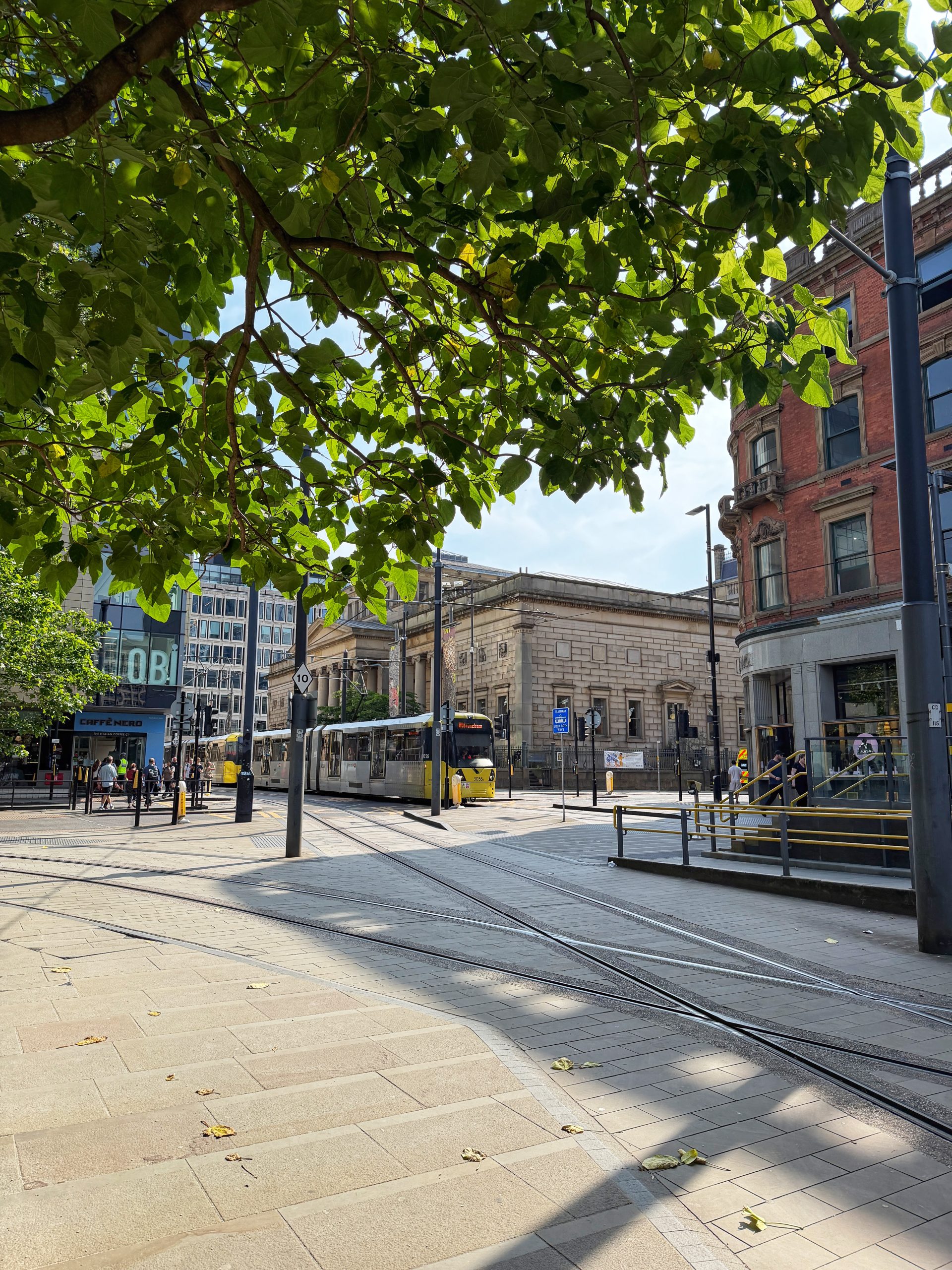
The Bee Network may experience disruption later this week as the overhead lines that power the trams and trains are often adversely affected by high temperatures.
TfGM’s Customer and Growth Director, Fran Wilkinson, said: “Very high temperatures are forecast this week that can affect both people and the transport network.
“We will have staff out to help those who need it, and I would encourage customers to take a few simple steps to stay safe and comfortable while travelling, such as by carrying water, travelling at cooler times of the day and looking out for others.
“Due to the heat, there may be some disruption to Bee Network or local train services and I would encourage people to check for the latest information and advice before making their journey.”
TfGM advice for travelling in heatwave
Carry water and drink plenty of fluids
Avoid travelling during the hottest part of the day where possible
Wear light clothing and stay in the shade
If you feel unwell while travelling, get off at the next stop and seek fresh air
Plan your journey, check for the latest information and advice before setting off and allow extra time to make your journey
Look out for other passengers who may need help, especially those who are more vulnerable
Bee Network staff will be out across the network to help passengers, who can get the latest travel information and advice by checking the website or app.

 Danny Jones -
26th March 2024
Danny Jones -
26th March 2024