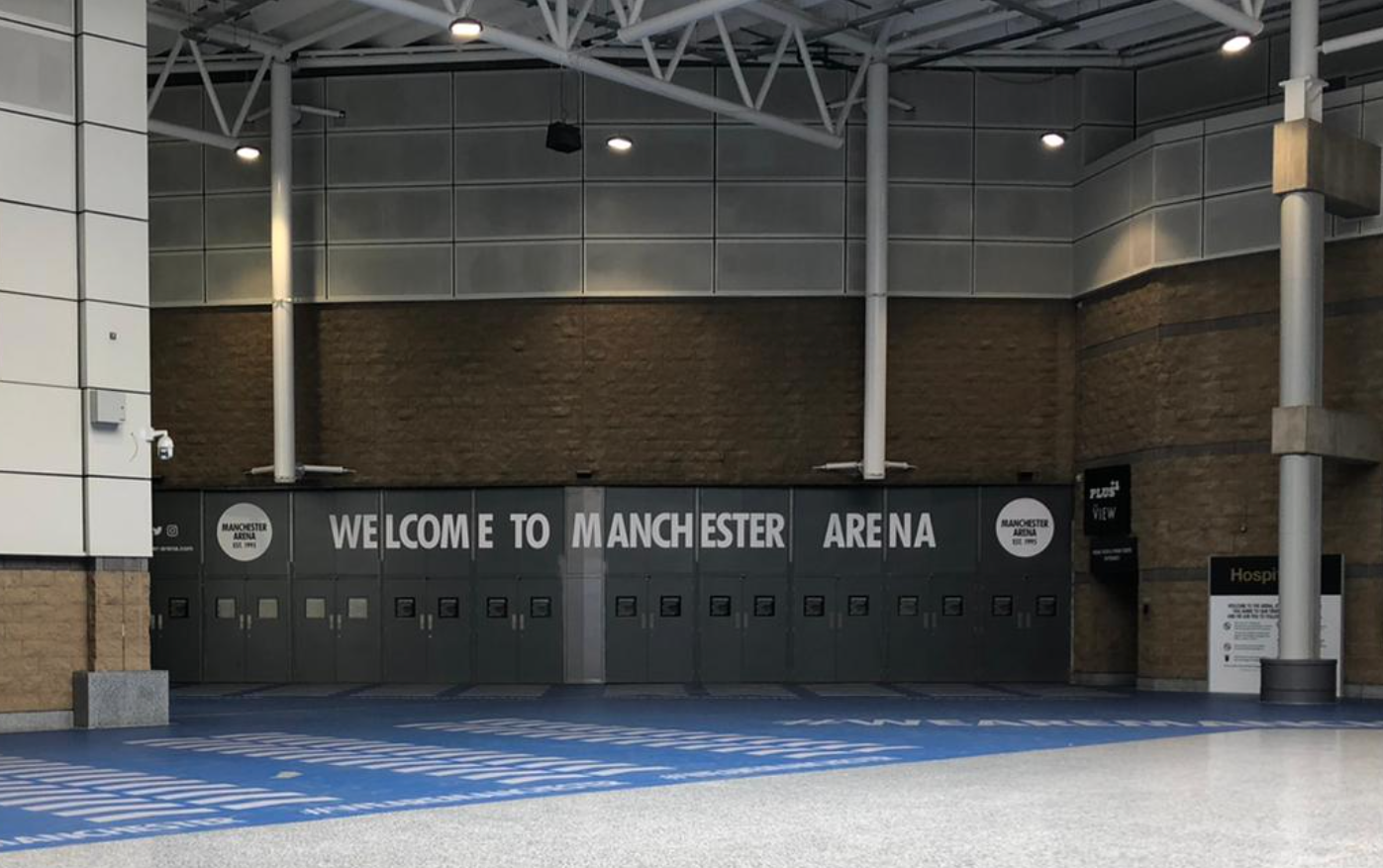
It’s been revealed that nearly half of all the criminal injury compensation claims made to the UK government in relation to the Manchester Arena attack have been rejected.
Of the 741 applications submitted following the atrocity – where 22 people tragically lost their lives during a bombing at the end of an Ariana Grande concert at Manchester Arena on 22 May 2017 – which were decided by the Criminal Injuries Compensation Authority (CICA), a total of 331 did not result in compensation being rewarded, ITV Granada reports.
Another 97 claims submitted by people who claim have suffered physically and/or mentally following the tragedy still remain outstanding, according to reports.
These shocking figures have been revealed to be the public following a Freedom of Information (FOI) request submitted by Hudgell Solicitors – which is representing an emergency service worker who was one of the first responders at the scene.
The anonymous worker since been diagnosed with moderate to severe PTSD as a direct result of their experience, however, their application to the CICA for an award based on mental health injuries was one of those rejected.
ADVERTISEMENT
Lawyers in Greater Manchester have now called on the government to make a change and not limit claims to the moment that the explosion happened.
They instead want eligibility for compensation claims to cover a wider period of time.
ADVERTISEMENT
Nearly half of the Manchester Arena attack injury compensation claims have been rejected / Credit: (via Geograph)
“We have, over many years, taken CICA cases to review and appeal,” explained Nicola Bailey-Gibbs, solicitor and manager of criminal injuries at Hudgell Solicitors.
“The reasons given for many unsuccessful claims range from injuries not being serious enough to mental health conditions not being recognised. However, when we seek the advice of independent experts those initial decisions are often overturned [and] in this case, my client responded in the best way they possibly could during a terrorist attack by doing their duty and helping the public in what were horrific circumstances.
“Those awful scenes will remain with this person forever [and] they have had a profound and debilitating effect on their mental health.
ADVERTISEMENT
“CICA awards are meant to acknowledge the effects a criminal or terrorist act has on a victim, even if no-one has ever been prosecuted, and in this case I feel it was wrong of CICA to dismiss the claim by saying in effect, ‘we’re sorry, but you were not there at the very moment when the explosion happened’.”
In response to the calls by lawyers to extend compensation claim time, a spokesperson for the Ministry of Justice (MoJ) said: “We set up a dedicated team that has helped over 400 victims left with a range of serious physical and mental health problems as a direct result of the attack get compensation to aid their recovery, with more than £3.7 million paid out to date.
“For those witnesses and emergency workers who bravely rushed to the scene not eligible for taxpayer-funded compensation, we have instead provided other forms of help,
“This includes a dedicated 24/7 helpline that offers vital mental health support.”
Award-winning Manchester restaurant Another Hand announces closure with ‘immediate effect’
Emily Sergeant
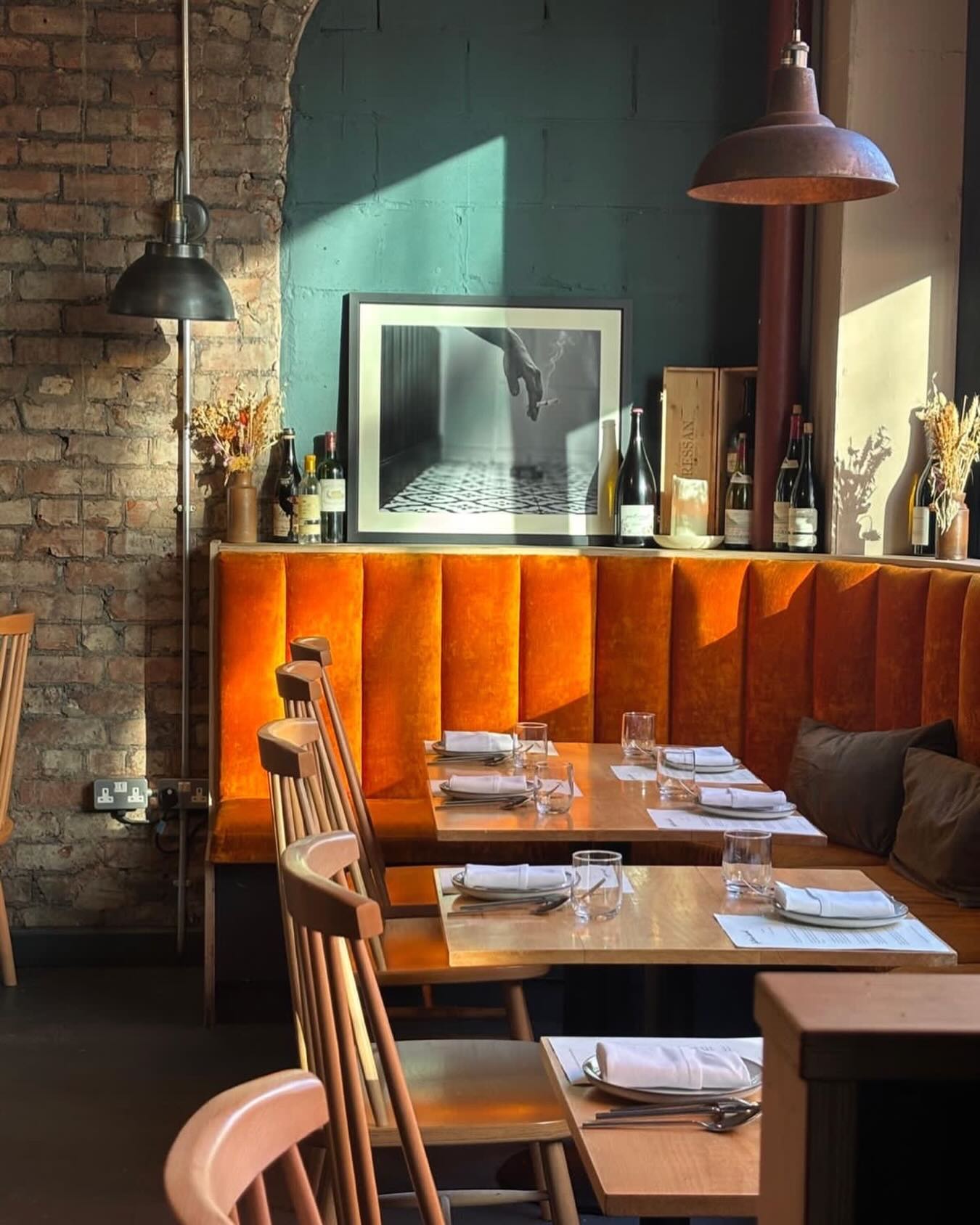
One of Manchester’s most popular intimate restaurants has sadly announced that it’ll be closing its doors with ‘immediate effect’.
Another Hand – which can be found tucked away up on Deansgate Mews – opened back in 2022 to acclaim from critics and customers, as well as scooping up several awards along the way like Best Newcomer at the 2022 Manchester Food and Drink Awards, and places in the Michelin Guide and the Good Food Guide along the way.
Not only that, but the 24-seater intimate casual dining restaurant was also named as one of the best restaurants in Manchester merely three weeks ago by respected publication, Time Out.
Launched by the team behind 3 Hands Deli – which operated from a site two units down – Another Hand was known and loved for focusing on sharing plates made with produce from local ethical growers.
And it seemed to be going from strength to strength, but sadly, the restaurant took to social media yesterday to announce its decision to close ‘with immediate effect’.
Another Hand said in its statement on Instagram: “With heavy hearts we are sad to announce that after five years Another Hand will be closing its doors with immediate effect.
“Unfortunately, as most of us know, the current economic climate for the hospitality sector is facing steep challenges, sadly a familiar story. And after five years of operating within this increasingly challenging environment, we feel it’s time for us to step away.
“This isn’t a decision we’ve taken lightly, but it feels like the right time to bring this chapter to an end.
“We’re incredibly proud of what we’ve built here. From the people who have worked alongside us, to the producers and suppliers who have supported us; and most importantly, everyone who has come through the door and eaten with us…. thank you.
How will the Government’s new digital ID alternative for alcohol sales work?
Emily Sergeant
All licensed venues across England and Wales now have the choice to introduce digital proof of age for alcohol sales alongside physical.
Instead of having to hand over physical ID that contains personal information, such as names and home addresses, customers now have the choice to simply provide confirmation that they are 18 or over on their phone – helping to better protect privacy and personal safety in the process.
This means that, no matter whether you’re buying a drink at your favourite pub, heading to a festival, or enjoying a night out at a concert, you won’t need to worry if you’ve left your ID at home.
According to the Government, this new change will benefit businesses greatly too, as certified digital services are able to check that an ID is genuine and belongs to the person presenting it much easier than the alternative can, which therefore helps to reduce the risk of any fake or borrowed IDs going undetected.
Well, according to the Government, it could be as simple as a customer showing a QR code for staff to scan, or tapping their phone against a compatible reader, where staff will then receive a clear confirmation on their device that the customer has passed the age check.
This change follows a 2024 Government consultation where it was reported that 72% of respondents supported the use of digital identities for age verification when buying alcohol.
Digital Government Minister Stephanie Peacock reiterated that ‘it will remain an individual or business’ choice whether to use or adopt [digital ID]’ and that physical ID will ‘still remain a valid way’ for customers to prove their age.
“This groundbreaking change in the law will mean you do not need to carry a physical ID, nor hand over sensitive personal information such as your name or address just to prove your age, allowing everyone to feel safer on a night out,” she concluded.

 Emily Sergeant -
27th September 2022
Emily Sergeant -
27th September 2022