News
Only 11% of Brits see Brexit as more of a success than a failure, new poll reveals
What's your take on this?
 Emily Sergeant -
4th February 2025
Emily Sergeant -
4th February 2025 It’s been just over five years since Britain officially left the European Union, but a new poll has revealed that just 11% think it was actually a success.
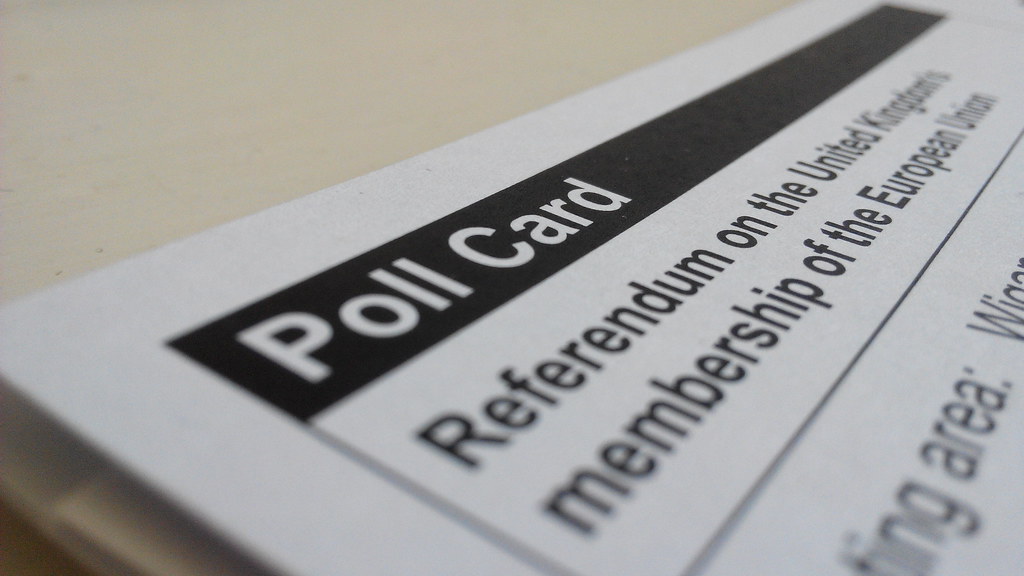
On what was a day many will struggle to forget, Britain officially left the EU on 31 January 2020, finally putting into action the 52% to 48% vote to ‘leave’ from the 2016 referendum, but now five years on, how do Brits actually feel that Brexit has gone? And what do they want our future relationship with Europe to look like?
To find out the answers to these all-important questions, YouGov asked 2,225 British adults for their reflections on Brexit half a decade later.
This most-recent survey found that just three in 10 Brits (30%) now say that it was right for the UK to vote to leave the EU, which is the lowest proportion of people since YouGov began asking this question in the aftermath of the referendum.
55% now say it was wrong for the UK to leave the EU, and what’s more, just 11% now see Brexit as more of a success than a failure.
In what is potentially an even more damning statistic than that, however, is that one in six ‘Leave’ voters (18%) who responded to the survey now say that it was wrong for Britain to choose to leave the EU.
By contrast, just 7% of ‘remain’ voters now think it was right for the UK to leave, compared to 88% who stand firm in their decision.
Another interesting viewpoint from the survey is that among the young Brits who were unable to vote in the 2016 referendum, those aged 18-24 years old, three-quarters (75%) say that Britain was wrong to vote to leave the EU, compared with just one in 10 (10%) who say the UK made the right choice.
Five years on, few Britons think Brexit has been good for anything
— YouGov (@YouGov) January 31, 2025
% saying Brexit has had a positive impact on…
Control the UK has over its laws: 31%
UK’s ability to respond to COVID-19: 23%
British politics: 12%
UK’s level of international trade: 11%
British businesses: 11%… pic.twitter.com/nAN81yOHHd
Overall, some prefer to remain neutral, as the survey revealed that 20% consider Brexit to be neither a success nor a failure.
32% of ‘leave’ voters label Brexit more of a failure, compared to 22% describing it as successful.
Remain voters are more uniform in their judgement, with 87% saying it has been a failure and just 3% believing Brexit to have been a success.
Read more:
- New survey finds Keir Starmer is now as ‘unpopular’ among Brits as Nigel Farage
- Labour pledges to create 100,000 extra nursery places nationwide
- £30m winter support package announced to help Manchester residents with cost of living
When it comes to the visions for the future, 55% of Brits who responded to YouGov’s survey say they would support a complete undoing of Brexit, with 39% saying they ‘strongly support’ Britain rejoining the EU, and 33% opposing rejoining to any degree.
One in five ‘leave’ voters (20%) support rejoining the EU.
Featured Image – Wikimedia Commons