Parklife is once again proving why it’s such an important event for Greater Manchester, not just in terms of music and culture, but through the money it pumps back into the community through grassroots projects.
The annual music festival at Heaton Park raises significant funds for local initiatives with each edition via the official Parklife Community Fund.
Partnered with the Manchester, Bury, and Rochdale councils, the finances generated through those who attend not only Parklife but also other concerts held at the outdoor venue, such as the recent Oasis shows, help local groups that make a positive, tangible difference in their neighbourhoods.
This year alone, the total includes £55,000 raised from guest list donations by festival attendees, as well as a further £100k generated from other events held in Heaton Park, making 2025 one of, if not the biggest, years for donations to date.
Distributed by the City Council and the local authorities in Bury and Rochdale throughout the respective boroughs, the aim is not only to give back but to enhance local life, through everything from important youth programmes to community wellbeing and improvement schemes.
ADVERTISEMENT
Launched back in 2017, the festival fund is approaching nearly half a million pounds raised on behalf of local causes, strengthening its connection with the nearby communities surrounding its host site.
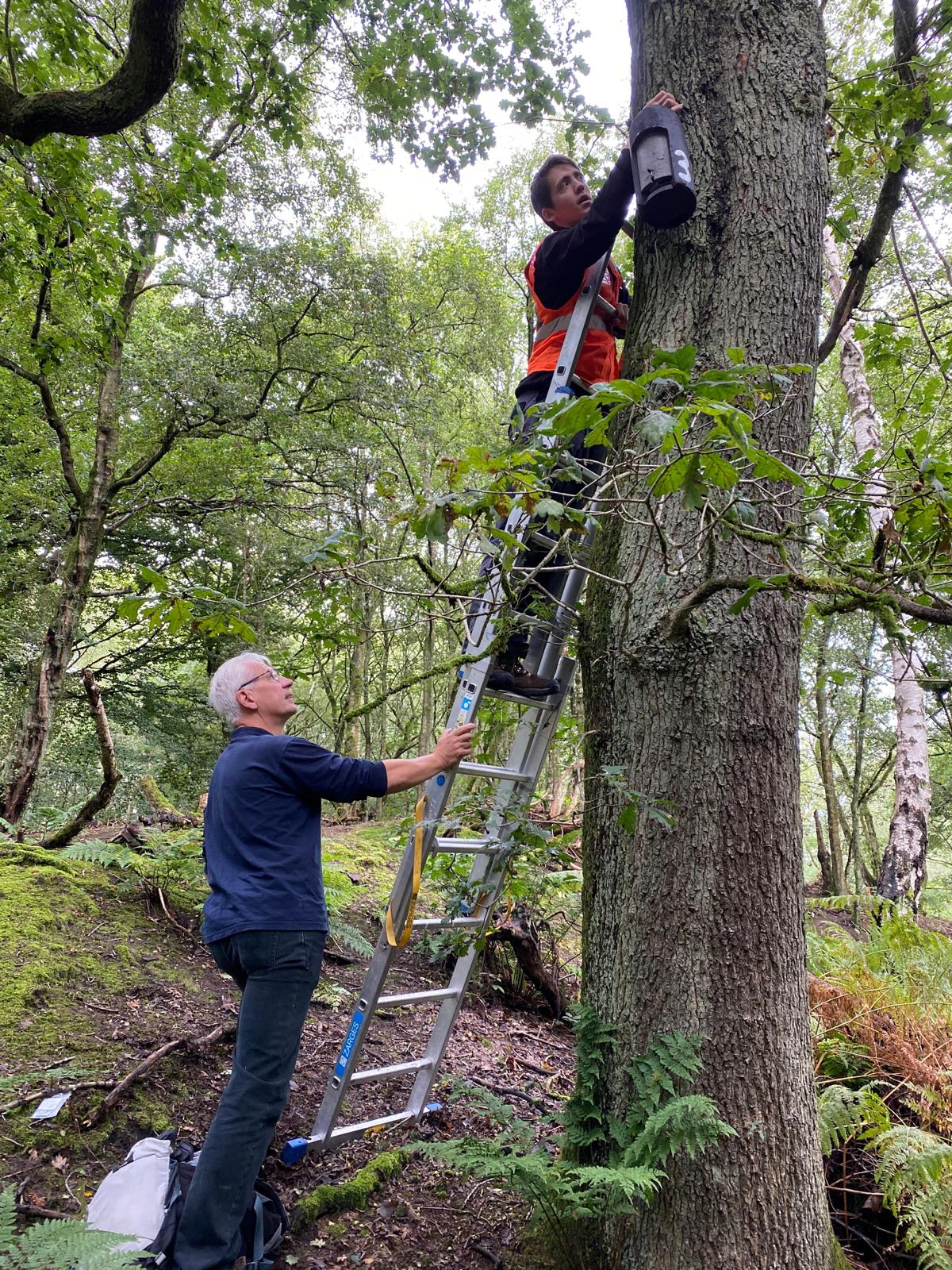
The region’s vast and stunning green space is a huge tourist attraction in itself, meaning literal grassroots causes like the woodland management group are vital to maintaining that beauty and status.
ADVERTISEMENT
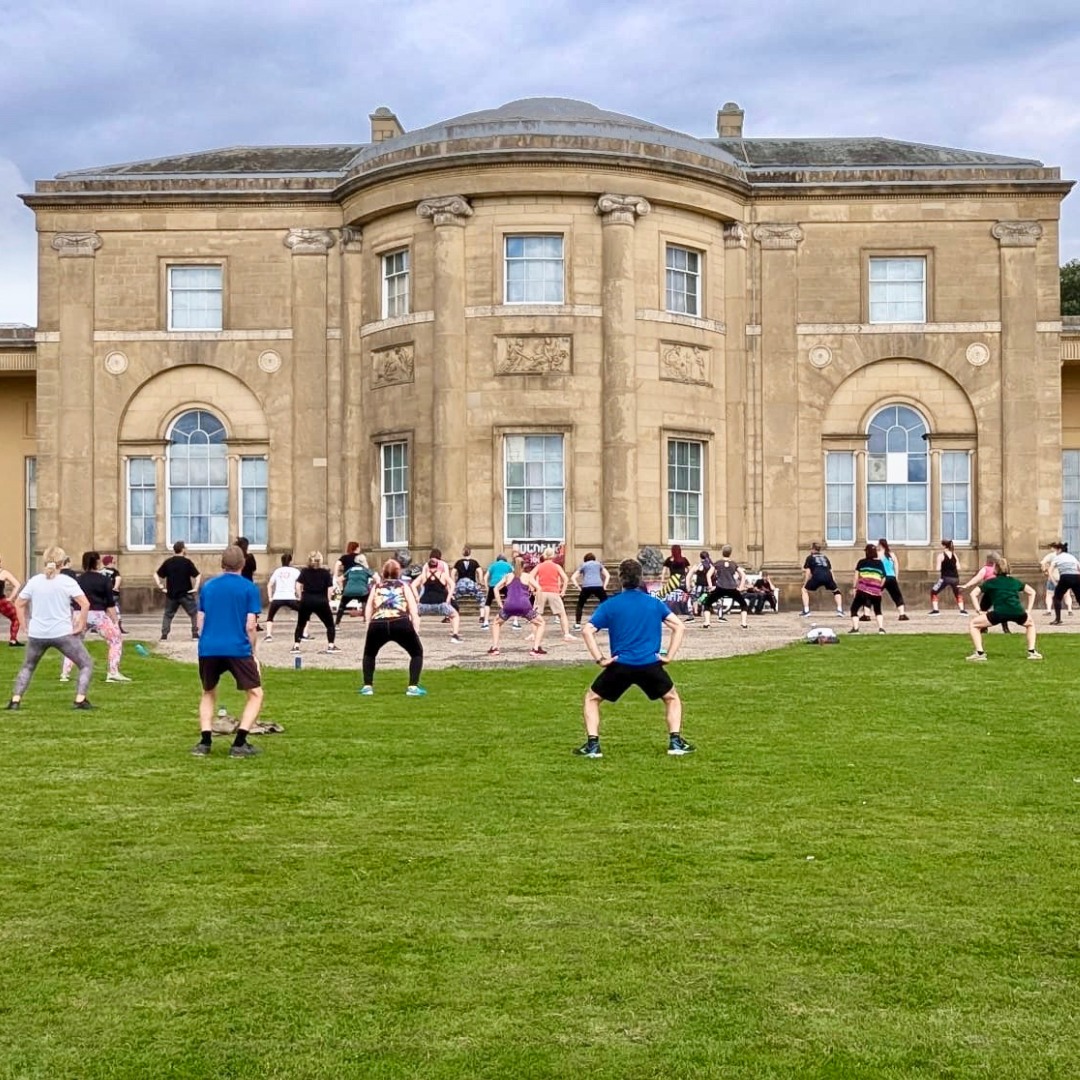
Other projects include an astronomy group, as well as fitness drives like ‘RockFit’ (seen above), which now meets at Heaton Park regularly to promote exercise for both physical and mental health.
It’s also worth noting that the fund covers surrounding areas like Higher Blackley and Crumpsall; Sedgley, Holyrood, St Mary’s and even South Middleton.
You can see more examples of the charitable community work in action down below.
ADVERTISEMENT
Credit: Supplied
Sam Kandel, founder of Parklife Festival, said of the fund: “Parklife is proud to call Heaton Park home, and it’s really important to us that the festival has a lasting, positive impact on the local community.
“The Community Fund is our way of saying thank you to residents and supporting the brilliant grassroots projects that make Manchester, Bury, and Rochdale such special places to live.”
Councillor Lee-Ann Igbon (Exec Member for Vibrant Neighbourhoods) added: “Parklife brings people from Manchester and beyond to our wonderful Heaton Park, and it is right that the communities living close by benefit from the event through reinvestment in local initiatives that will leave a legacy for all.
“The Parklife community fund means that local communities choose what’s important to them and they have the opportunity to bid for funds to invest in projects that enhance local amenities, strengthen community connections and wellbeing for the benefit of everyone.”
Those looking to benefit from the fund can apply online now and you can find out more information by contacting the relevant councils’ neighbourhood pages.
No trams to run on THREE major Greater Manchester lines for two weeks this month
Emily Sergeant
Widespread disruption is expected, as no trams will be running on three major Greater Manchester lines for two full weeks.
As the next phase of the ongoing £150m investment into Greater Manchester’s tram network gets under way later this month, it has been announced that essential improvement work is set to be be carried out on three major Metrolink lines across the region in a bid to make the network ‘safer’ and ‘more resilient and reliable’ for years to come.
From Monday 19 October to Sunday 1 November, tram improvement works will take place at Deansgate-Castlefield, and Trafford Bar.
Additional works will also take place in the city centre during this time, allowing Transport for Greater Manchester (TfGM) to keep closures of the tram network to a minimum.
During the dates above, no trams will run on the Altrincham, Trafford Centre, and Eccles lines.
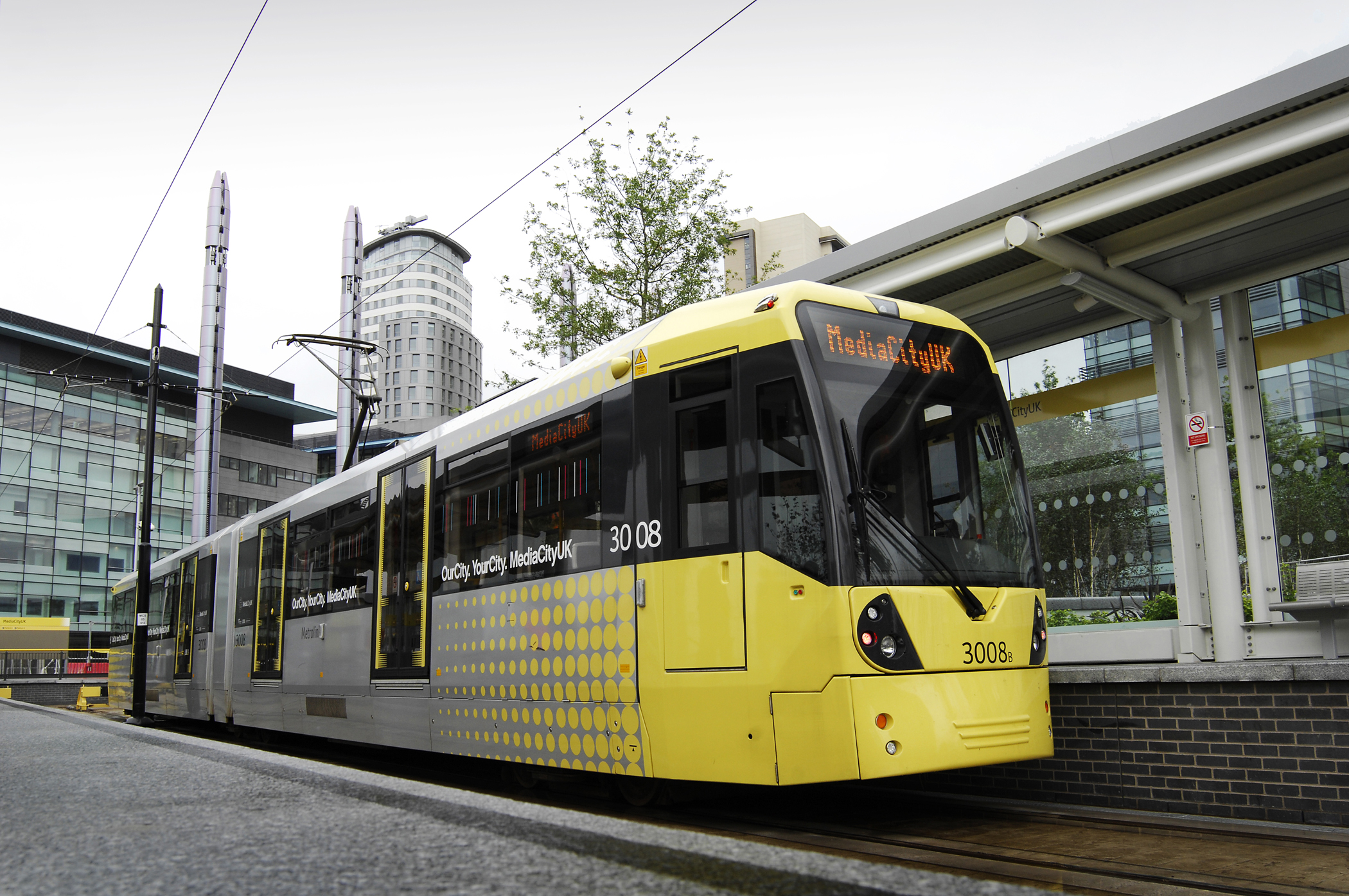
No trams will be running on three major Greater Manchester line for two weeks this month / Credit: TfGM
A number of shuttle bus services will the running over the course of the two-week closure – with services arriving every 10 or 15 minutes, depending which line it’s on, and you can find a full list of these here.
Services operating on the East Didsbury and Manchester Airport lines will terminate at Firswood, and from Firswood, passengers will then need to board a replacement bus service to continue their journey into the city centre.
Services operating on the Rochdale line will terminate at Exchange Square, it has also been announced.
Services will resume on these lines from start of service on Monday 2 November.
However there will be some minor route changes through the city centre in place from Monday 2 to Wednesday 4 November, so it’s important to check your journey before you travel.
Featured Image – TfGM
Boroughs
New measures announced to tackle ‘rogue’ landlords across Greater Manchester
Emily Sergeant
A cohort of trained enforcement officers are set to hit the streets in all 10 boroughs to help improve the lives of the region’s renters.
Forming part of Greater Manchester‘s commitment to the highest-quality housing standards alongside the Good Landlord Charter, the newly trained enforcement officers will be tasked with protecting tenants, joining Council teams in checking rental properties, bringing enforcement action against bad landlords, and cracking down on illegal practices.
The introduction of the new enforcement officers comes after what has been ‘years of sustained pressure’ on local budgets.
Greater Manchester Combined Authority (GMCA) says it is working with the 10 councils across the region to strengthen local teams, rebuild in-house skills and expertise, and ensure that powers can be applied with consistency in all boroughs.
As mentioned, this is happening alongside the Good Landlord Charter – which is GMCA’s ‘bold approach’ to drive up standards for renters across the region.
Landlords of more than half of rented properties in Greater Manchester have now signed up as supporters of the Charter, and as supporters, they have committed to going above and beyond legal minimums to improve the renting experience for hundreds of thousands of people.
“A safe place to call home is the cornerstone of a happy, healthy life,” explained Mayor Bev Craig. “But for years, people have felt trapped in poor-quality housing, and cash-strapped councils were unable to step in to help. I’m putting an end to that.
“We know there are plenty of good landlords in Greater Manchester, and many of them have already signed up to our Good Landlord Charter, but too many are just not good enough.
“That’s why we’re deploying a new generation of expert housing officers onto the streets of our towns and cities.”
Mayor Bev Craig declared that she ‘won’t stand by and let rogue landlords take advantage of people’.
She continued: “By empowering renters, working with responsible landlords, and using our powers to crack down on the bad ones, I will make sure everyone in Greater Manchester has the foundation for a good life.”

 Danny Jones -
14th November 2025
Danny Jones -
14th November 2025