Property
Gary Neville’s £400m St Michael’s development – a historic pub saved and another giant skyscraper for Manchester
 Daisy Jackson -
5th July 2023
Daisy Jackson -
5th July 2023 
More details have been revealed for Gary Neville’s £400m city centre development, St Michael’s.
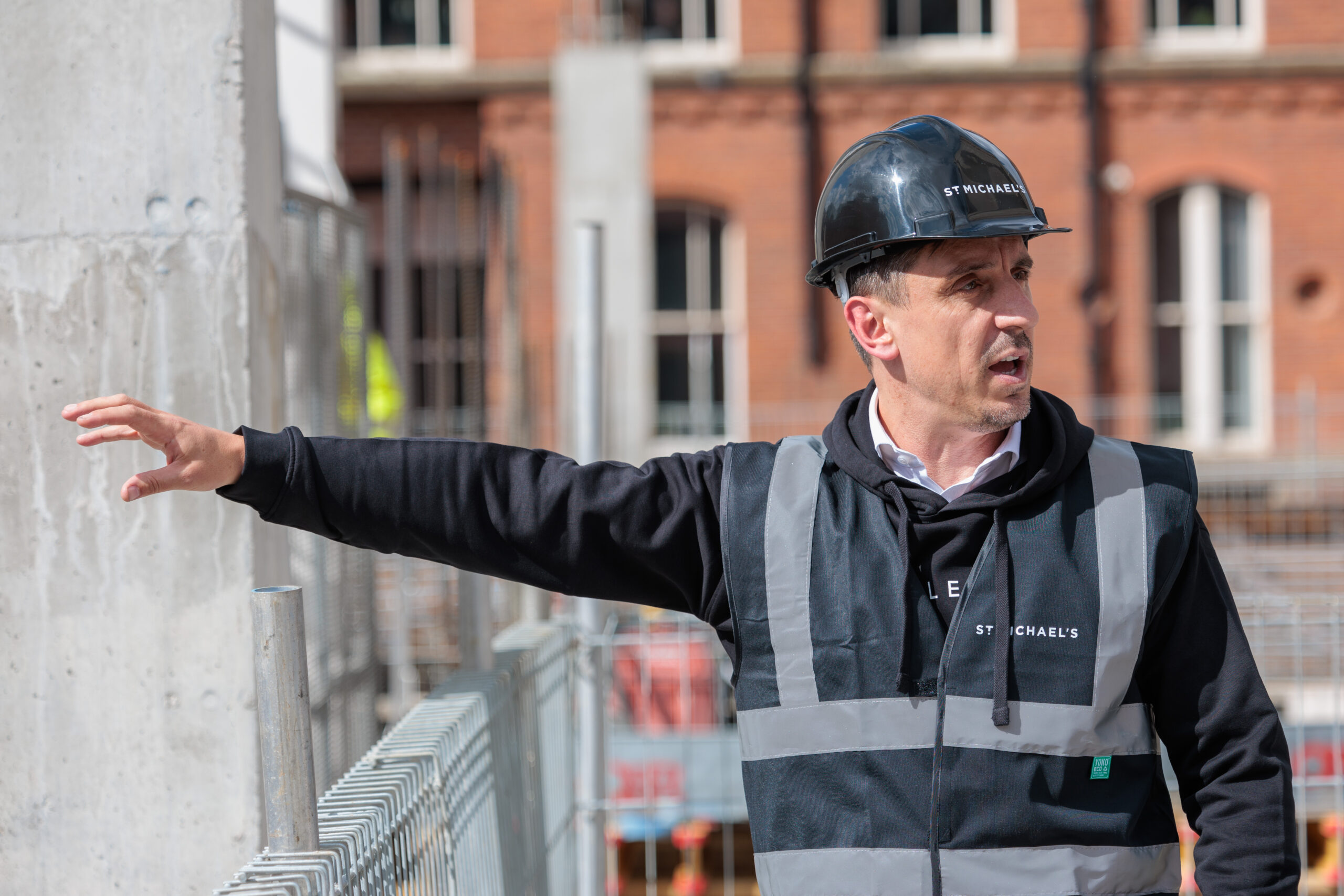
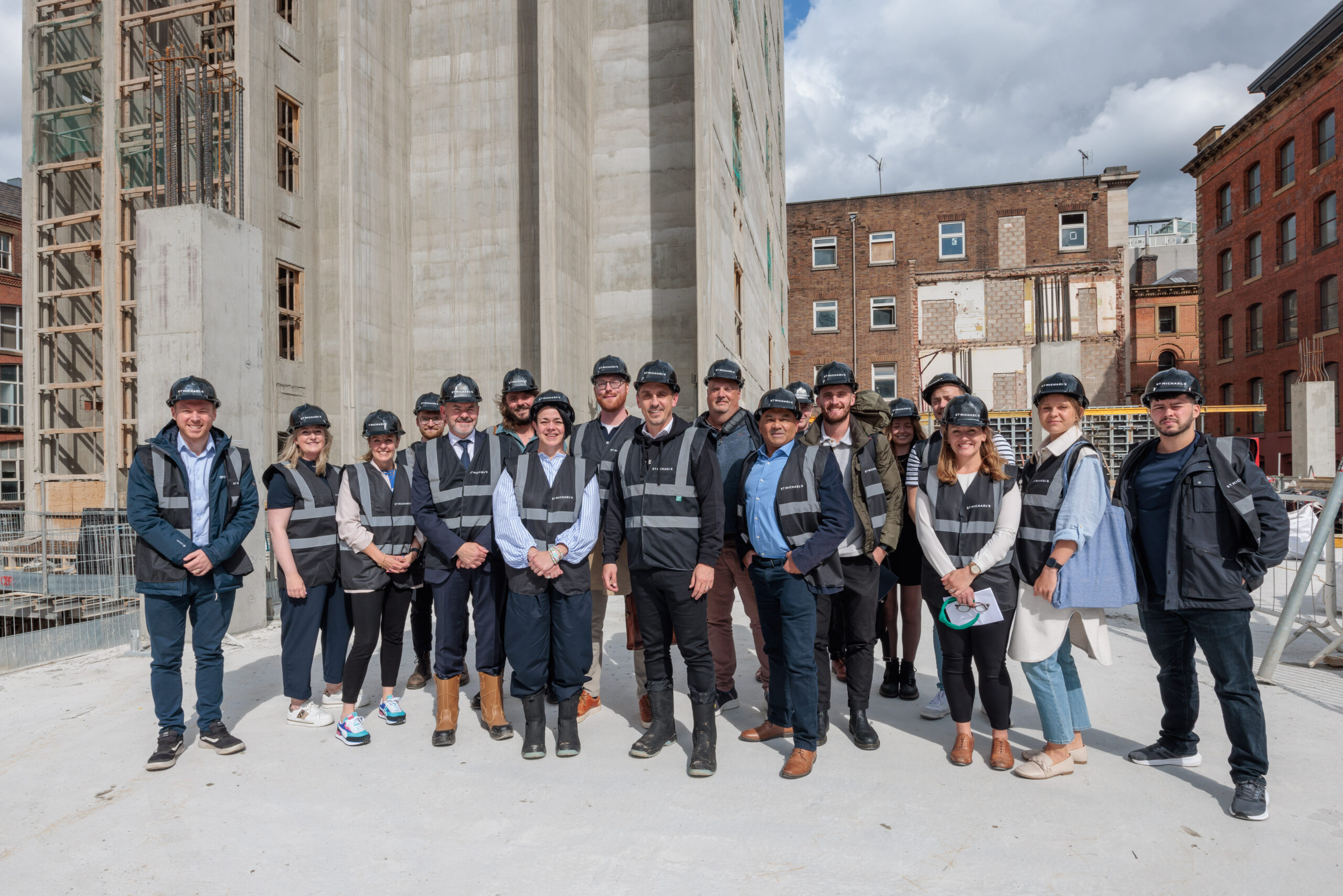
The former Manchester United legend threw open the doors to the site this week as construction gets well underway.
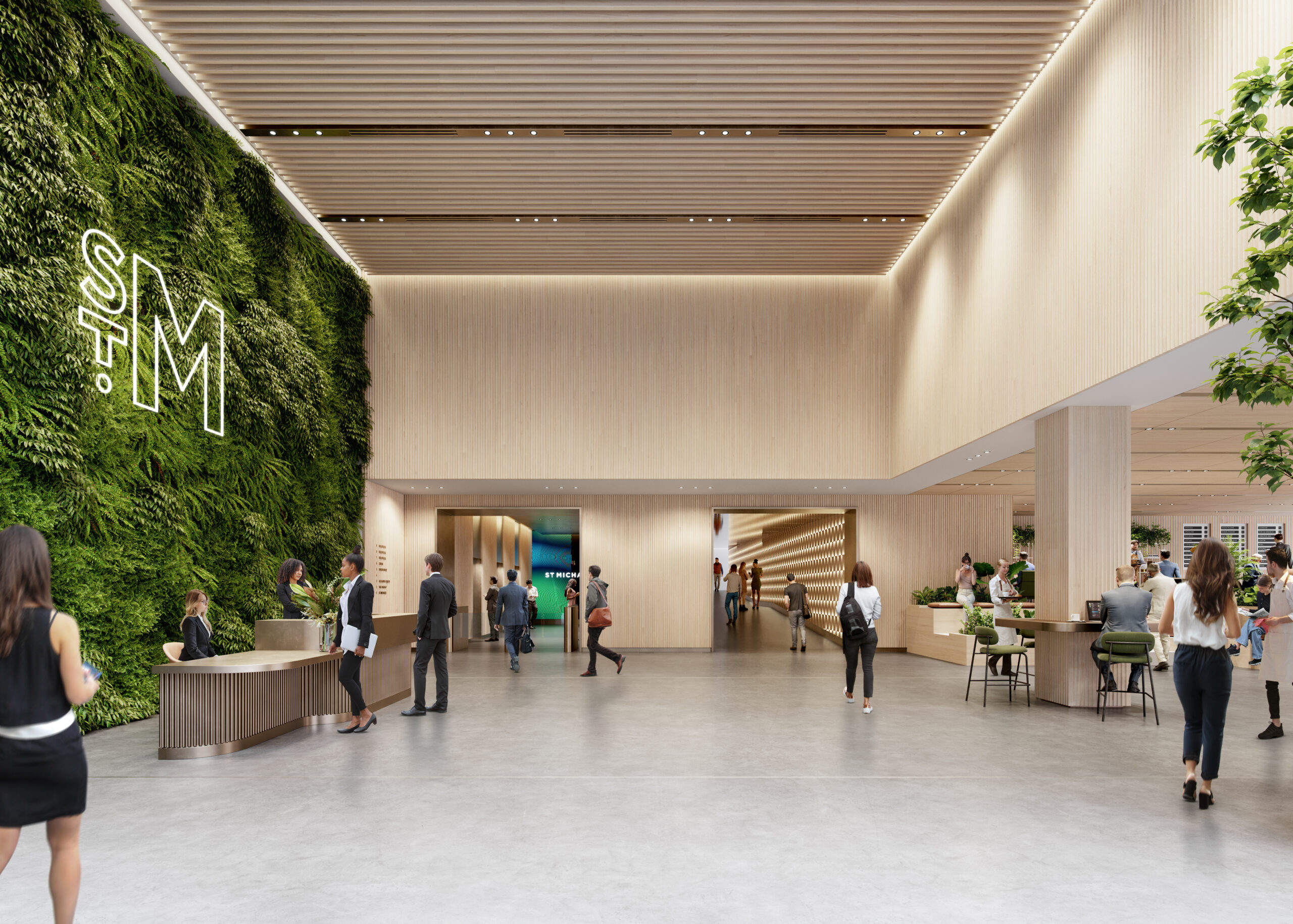
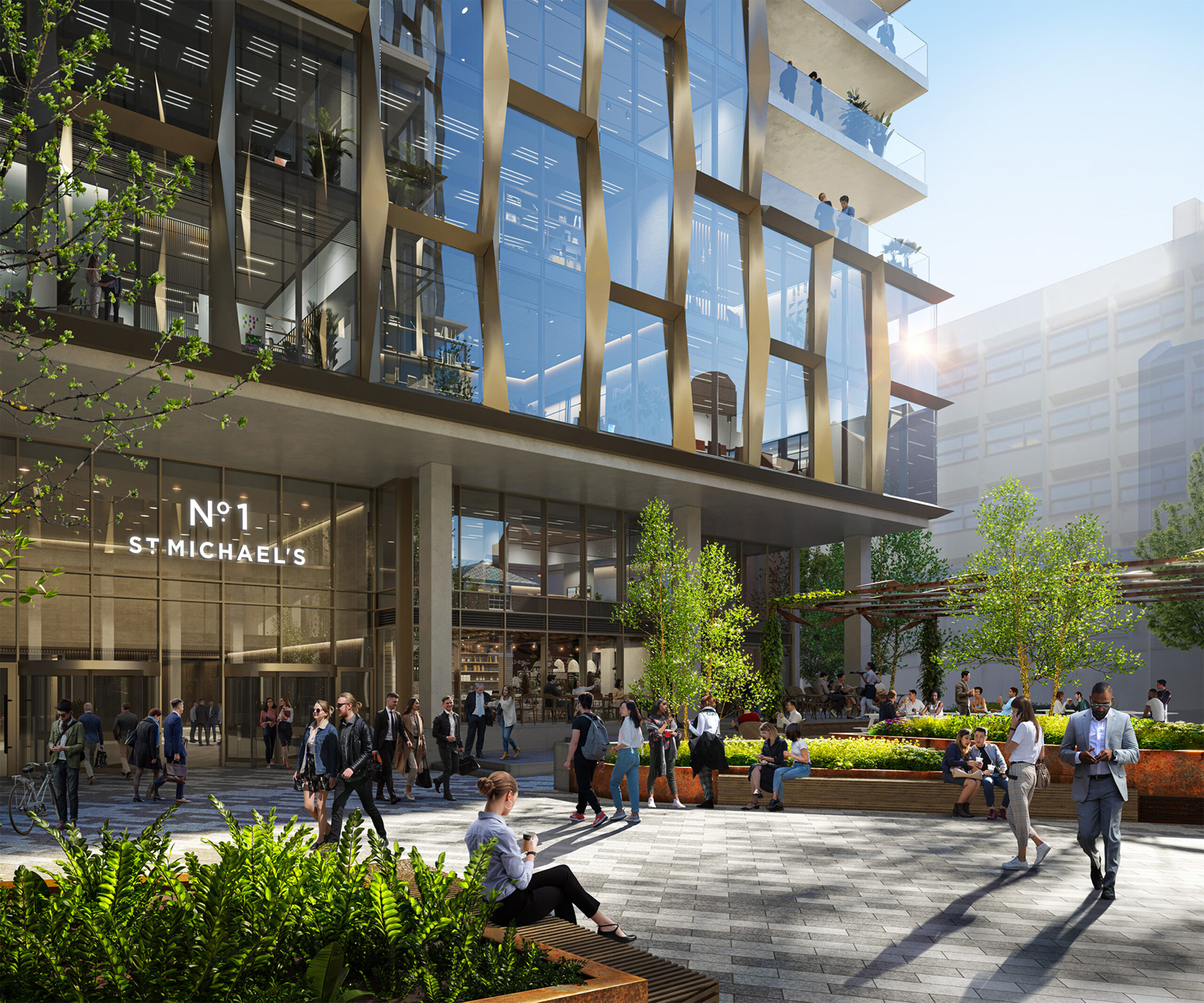
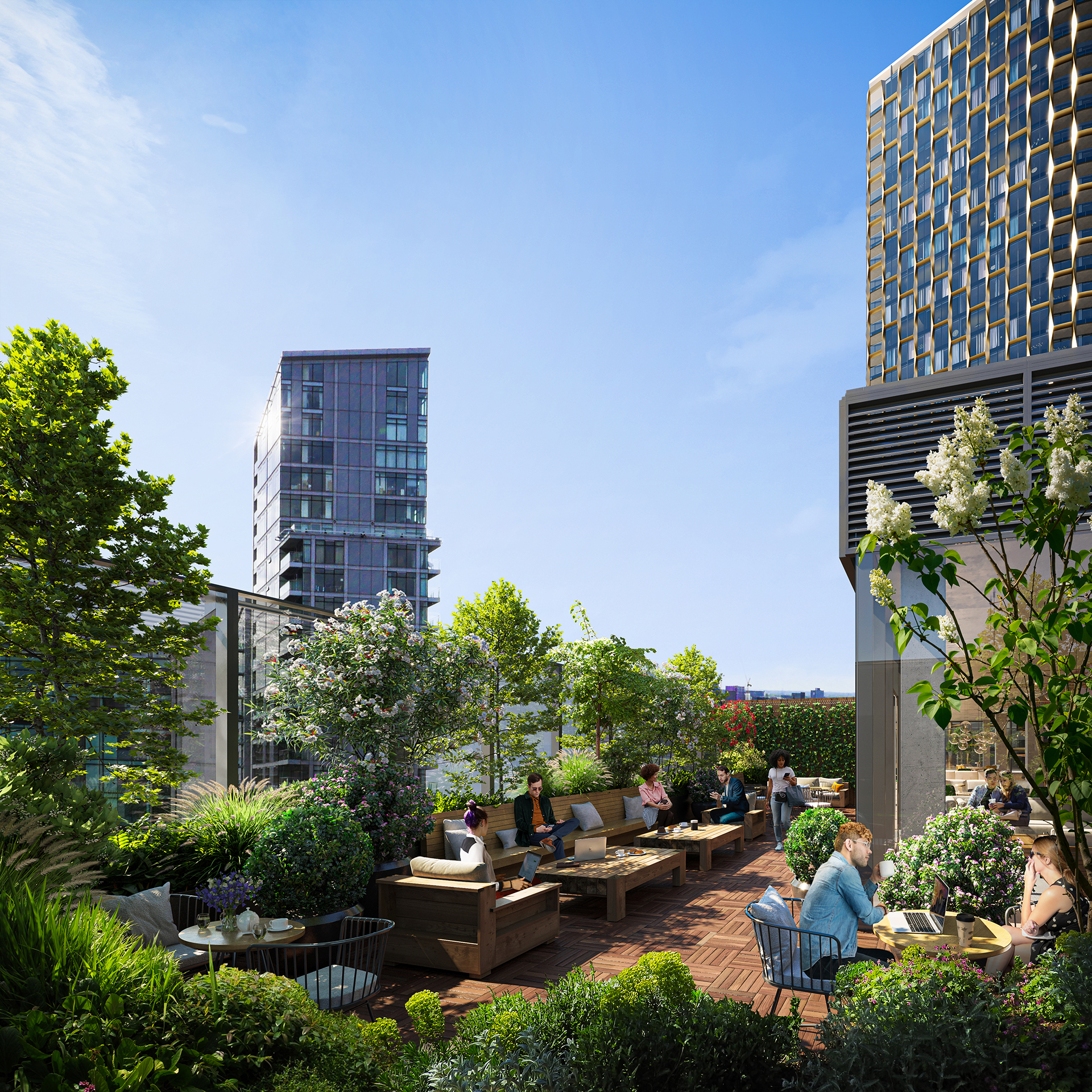
Including in the plans for St Michael’s – 15 years in the making – is a 41-storey skyscraper, a rooftop restaurant, and a 162-bed 5 Star international hotel.
That’s not to mention the 217 luxury residences, which go on sale after summer as part of a joint venture between Relentless Developments and property developer, Salboy.
St Michael’s will also save and refurbish the historic Sir Ralph Abercromby pub, which was initially set to be demolished before the developers u-turned and folded it in the plans.
The tiny pub, one of the few structures remaining in the area from the time of the Peterloo Massacre, will be dwarfed by the new tower but encompassed in the overall St Michael’s vision.
Phase One of the scheme, which expects to be the first fully Net Zero Carbon commercial development in the city, is due to complete in 2024.
This part includes the highly-anticipated rooftop restaurant, a new opening for Japanese-Peruvian restaurant Chotto Matte.
There’ll also be two other food and drink outlets top and tailing the building.
Watch a fly-through of the St Michael’s development below
Construction is taking place behind the original frontage of the Manchester City Police headquarters on Bootle Street, which is being preserved.
A public square will see the historic Sir Ralph Abercromby pub retained and substantially refurbished.
Also included in No.1 St Michael’s is nine floors of ‘best-in-class’ office space, which will set a new headline rent for offices in Manchester.
In the coming weeks, work will begin on the landmark 41-storey tower, which will be the home of the 5 Star hotel and the luxury apartments, plus another 75,000 sq ft of office space.
Signing of the upscale hotel operator is in the works, and is due to be announced this autumn.
The St Michael’s development will bring £120m investment to the city, and create more than 3,000 jobs.
The scheme has been designed by Skidmore, Owings & Merrill (SOM) and Hodder & Partners, with Bowmer and Kirkland working on No.1, and Salboy’s exclusive build partner Domis set to break ground on No.2 in the coming weeks.
Gary Neville, director at Relentless Developments, said: “This is an extraordinary scheme that has been no less than 15 years in the making and we believe it to be the most sustainable commercial space in the city. I’d like to thank all our partners who have been with me on this journey and remained committed to the vision to transform this pivotal area of the city into a global landmark.
“We’ve worked so hard to create a development that is distinctive in both its imaginative design and heritage as well as its location connecting the city’s business district with the historic civic quarter. Signing a deal with two of the world’s most reputable law firms and setting a new headline rent as we launch is testament to that.
“Progress is now beginning to accelerate as we approach the latter stages of No.1 and we set our sights on the world-class leisure and residential elements that will be delivered for No.2.”
No.1 St Michael’s (phase one) is a joint venture between Relentless Developments and global investment firm KKR. Nicky Barker, Managing Director and Head of Asset Management at KKR Europe Real Estate, said: “We are delighted to reach this important milestone and look forward to realising the vision for the exceptional regeneration project in the heart of Manchester alongside our partner, Relentless. We’re proud that the St. Michael’s project is being developed with the aim of achieving net zero carbon in construction and operation and targeting a BREEAM Outstanding rating.”
A joint venture between Relentless and renowned property developer, Salboy, is enabling the delivery of No.2 St Michael’s (phase two). Simon Ismail, Co-Founder of Salboy, said: “Salboy and Relentless share a passion for delivering this new world-class development in the centre of Manchester. We are really looking forward to delivering No.2 St Michael’s, with the help of all of our dedicated partners. When complete, this long-awaited development will raise the bar for the city’s residential, hospitality, workspace and leisure offerings.”
Councillor Bev Craig, Leader of Manchester City Council, said: “St Michael’s will be a defining regeneration project for our city centre. Following a long road to bring this challenging, long underused site forward, it’s a welcome milestone that construction will start over the summer on a new icon of our city’s skyline – and the latest destination neighbourhood for Manchester – supporting the city’s growth and creating employment opportunities.”
Neil Black, Manchester Office Head at Pinsent Masons, said: “Manchester is an important market for legal and professional services serving as a hub for investment and development across the North West region. As a multinational business collaborating with a range of domestic and global clients, it’s exciting to see the region thrive as a leading UK business centre. Our move into St Michael’s signals an important era for us as we continue to develop and invest in our people, clients and communities across the region.”
Keith Feeny, Director of IT and Operations at Hill Dickinson, said: “We are delighted to be among the first commercial tenants to sign up to phase one of this remarkable new development. Our decision to invest in St Michael’s represents our commitment to the continued growth of Hill Dickinson, our commitment to the wider cultural investment in Manchester as a city and a real desire to improve the sustainability of our operations. We believe this project will help us deliver on all three.”
Read more
- Ancoats toilet block turned into luxury Santorini-inspired apartment
- Factory International to be rebranded to Aviva Studios after selling naming rights amid spiralling costs
- A ‘world’s first’ fish and chips-themed hotel is opening in Blackpool
Featured image: Supplied