A section of the iconic railway arches along Whitworth Street is set to be refurbished into a brand-new development space for up-and-coming local artistsunder HOME.
Having existed as a recognisable part of the city’s rich transport and architectural heritage for as long as we can remember, three of the familiar archways situated on Whitworth Street West are now about to be given a new lease of life which will also help support Manchester’s beloved arts community.
Coming under the HOME theatre and arts umbrella with the work being carried out by the North West arm of Robertson Construction, the transformation is set to start fairly soon and is scheduled to be completed by May 2024.
Sitting between Whitworth Street West and HOME’s main arts building at Tony Wilson Place, which has been a popular cinema, gallery and restaurant since 2015, the new development centre will provide a space and vital resources for artists of all ages, disciplines and stages in their careers. Wonderful stuff.
Costing £3.7m, the goal of the ‘HOME Arches’ project is not only to give the Whitworth Street West Arches some much-needed TLC, but to help nurture, attract and retain creative talent in Manchester by providing them with a high-quality, low-cost rehearsal and training space.
ADVERTISEMENT
Moreover, being connected to the ever-thriving First Street district will further strengthen it as a well-known and go-to city centre destination for artists and visitors alike.
Funding for the renovation was secured back in 2021 following a £2.3m government grant, with a further £0.9m contribution from Manchester City Council and around £0.5m from HOME themselves, who are helping cover some post-construction costs.
ADVERTISEMENT
The Arches project is part of a wider £20m redevelopment plan under the national Levelling Up fund, with the bulk of the £17.5m scheme seeing the Upper Campfield and Lower Campfield Market buildings (both Grade II-listed structures) lovingly transformed into a new tech, media and creative industries hub.
Issuing a statement following the announcement, Director and CEO of HOME, Dave Moutrey said they are delighted to provide “meaningful, additional creative space for artists” and allow them to “grow the work that we do with artists in the North West, across theatre, film, visual art and digital works”.
As for the Council itself, leader Bev Craig said: “These arches are part of our heritage which have sat unloved and underused for many years. This scheme is bringing them back to life with a very modern purpose – complementing the thriving cultural economy in our city.
ADVERTISEMENT
“Culture has a huge role to play in the success of our city and its people – creatively, for health and well-being and economically. This project will enhance this part of the city centre, create new jobs and further strengthen Manchester’s cultural ecosystem.”
We can’t wait to see how the new historic railway arches look under the loving stewardship of HOME and see the impact it makes on local creativity and culture.
Molly-Mae Hague revisits first Manchester flat, now on the market for £185k
Daisy Jackson
Molly-Mae Hague’s first Manchester flat is now on the market for £185k – and the star herself has paid a visit to her old digs.
Those who have been following Molly-Mae since before she shot to serious fame on Love Island will have recognised the backdrop of her recent TikTok video.
The 27-year-old reality TV star and businesswoman posed around the one-bedroom flat, dancing to Sabrina Carpenter’s ‘House Tour’.
The apartment is where she lived just before entering Love Island, and where she and now-fiance Tommy Fury lived briefly when they left the show.
And now that exact flat where she really launched her social media career has been listed for sale, at £185,000.
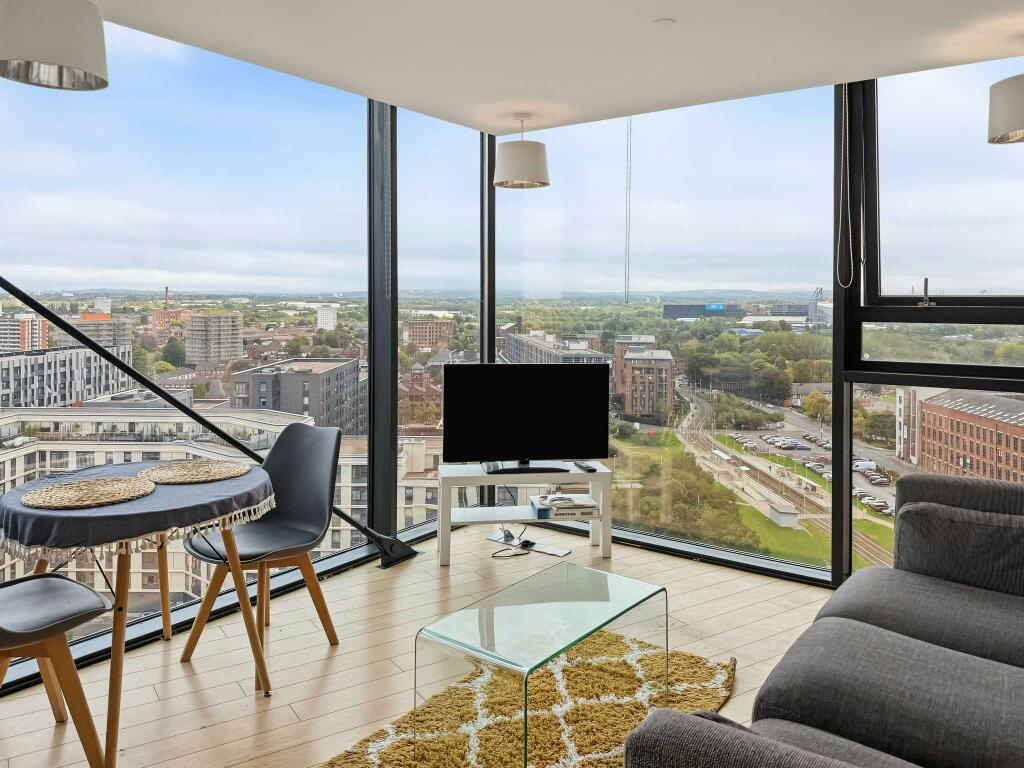
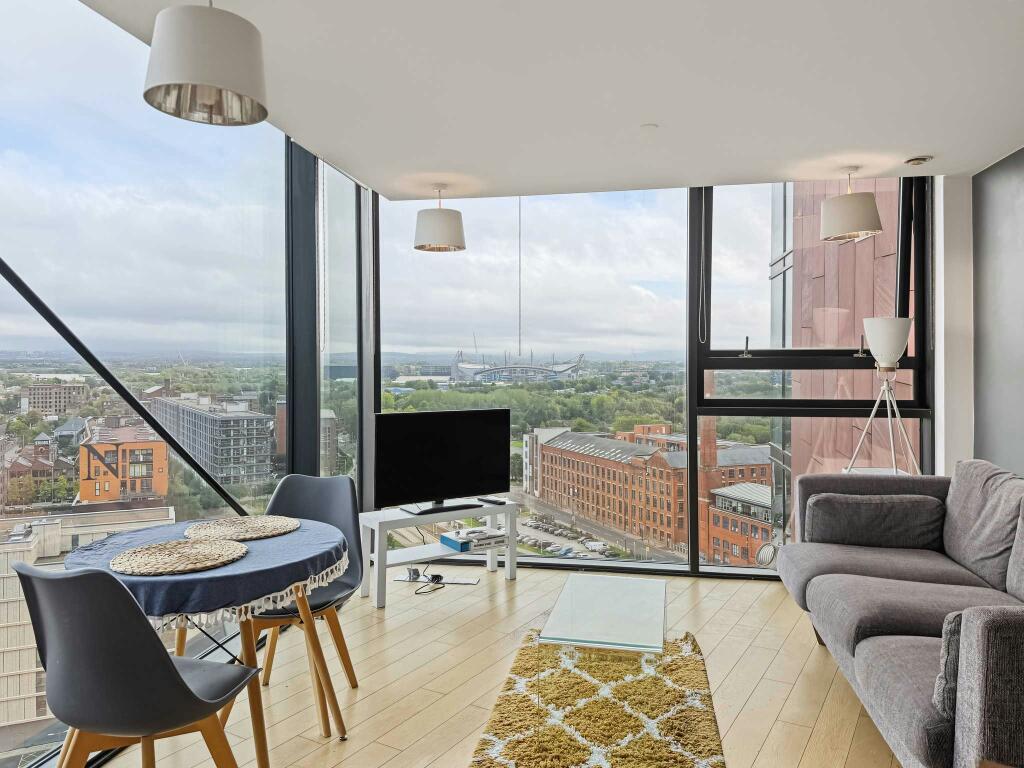
The corner apartment stands on the 17th floor of Islington Wharf, overlooking New Islington tram stop and right on the doorstep of Ancoats.
Her former landlord, who arranged for Molly-Mae to have one look around her old flat before it’s sold, said that she was a ‘lovely, polite and down-to-earth young woman, and an excellent tenant who looked after the apartment extremely well.’
The one bedroom apartment has double-aspect floor-to-ceiling windows which look across Manchester on one side, and out towards the Pennines on the other.
It’s listed for sale with no chain and the option to include existing furnishings (which seems to include the same couch Molly-Mae had at the time).
The flat also has a kitchen/living space, a communal garden, superfast broadband, and is within walking distance of Manchester Piccadilly.
New measures announced to tackle ‘rogue’ landlords across Greater Manchester
Emily Sergeant
A cohort of trained enforcement officers are set to hit the streets in all 10 boroughs to help improve the lives of the region’s renters.
Forming part of Greater Manchester‘s commitment to the highest-quality housing standards alongside the Good Landlord Charter, the newly trained enforcement officers will be tasked with protecting tenants, joining Council teams in checking rental properties, bringing enforcement action against bad landlords, and cracking down on illegal practices.
The introduction of the new enforcement officers comes after what has been ‘years of sustained pressure’ on local budgets.
Greater Manchester Combined Authority (GMCA) says it is working with the 10 councils across the region to strengthen local teams, rebuild in-house skills and expertise, and ensure that powers can be applied with consistency in all boroughs.
As mentioned, this is happening alongside the Good Landlord Charter – which is GMCA’s ‘bold approach’ to drive up standards for renters across the region.
Landlords of more than half of rented properties in Greater Manchester have now signed up as supporters of the Charter, and as supporters, they have committed to going above and beyond legal minimums to improve the renting experience for hundreds of thousands of people.
“A safe place to call home is the cornerstone of a happy, healthy life,” explained Mayor Bev Craig. “But for years, people have felt trapped in poor-quality housing, and cash-strapped councils were unable to step in to help. I’m putting an end to that.
“We know there are plenty of good landlords in Greater Manchester, and many of them have already signed up to our Good Landlord Charter, but too many are just not good enough.
“That’s why we’re deploying a new generation of expert housing officers onto the streets of our towns and cities.”
Mayor Bev Craig declared that she ‘won’t stand by and let rogue landlords take advantage of people’.
She continued: “By empowering renters, working with responsible landlords, and using our powers to crack down on the bad ones, I will make sure everyone in Greater Manchester has the foundation for a good life.”

 Danny Jones -
27th March 2023
Danny Jones -
27th March 2023