There’s no end of impressive sights to be found around Greater Manchester, whether you’re into ravines that look like Lord of the Rings settings or incredible skyscrapers that tower over the city centre.
But there’s one particular hike in the Peak District that’s so impressive it will take your breath away (and we don’t just mean from the effort of walking uphill).
The Alport Castles walk takes in everything from geological formations to massive lakes to manmade structures.
One of which is the Derwent Dam, a massive structure that towers 34m overhead and is flanked by twin Victorian-Gothic towers at either end.
If you catch it when the water cascades over it, you’ll witness a spectacle like no other.
ADVERTISEMENT
Building the dam in the early 1900s was such an intense and laborious process that an entire town was built here to house the 1000-odd workers involved in its construction.
A specially created railway was also built to bring the enormous stones it’s made from to the valley from the Bole Hill quarries.
ADVERTISEMENT
But as well as being a mighty sight to behold, the Derwent Dam holds historical significance from the purpose it served during World War Two.
The 617 Squadron used the dam to practice their low-level flying, in preparation for the Dam Busters raid against the Germans. The dam has a lot of similarity to the German dams and is now adorned with a commemorative plaque.
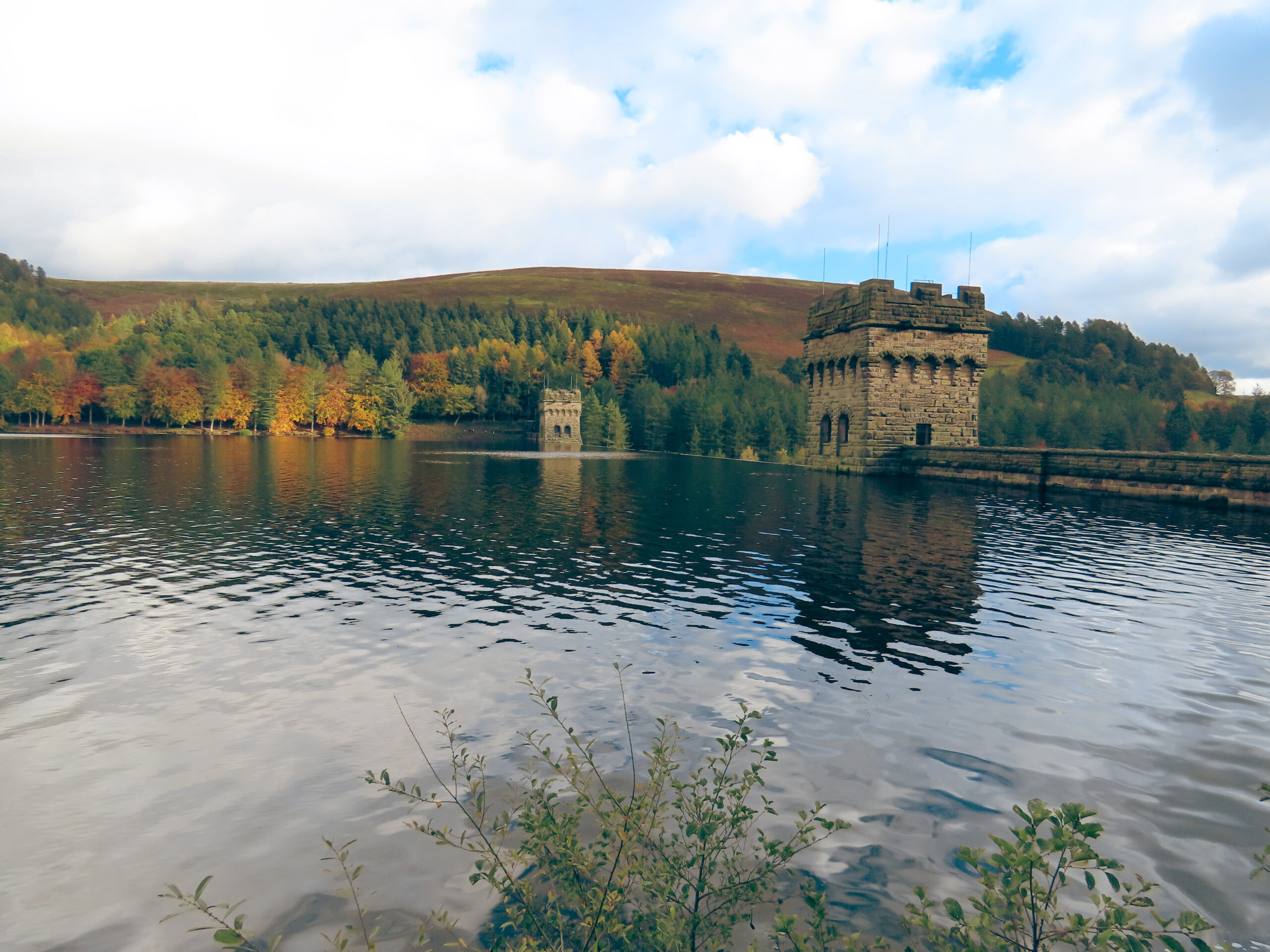
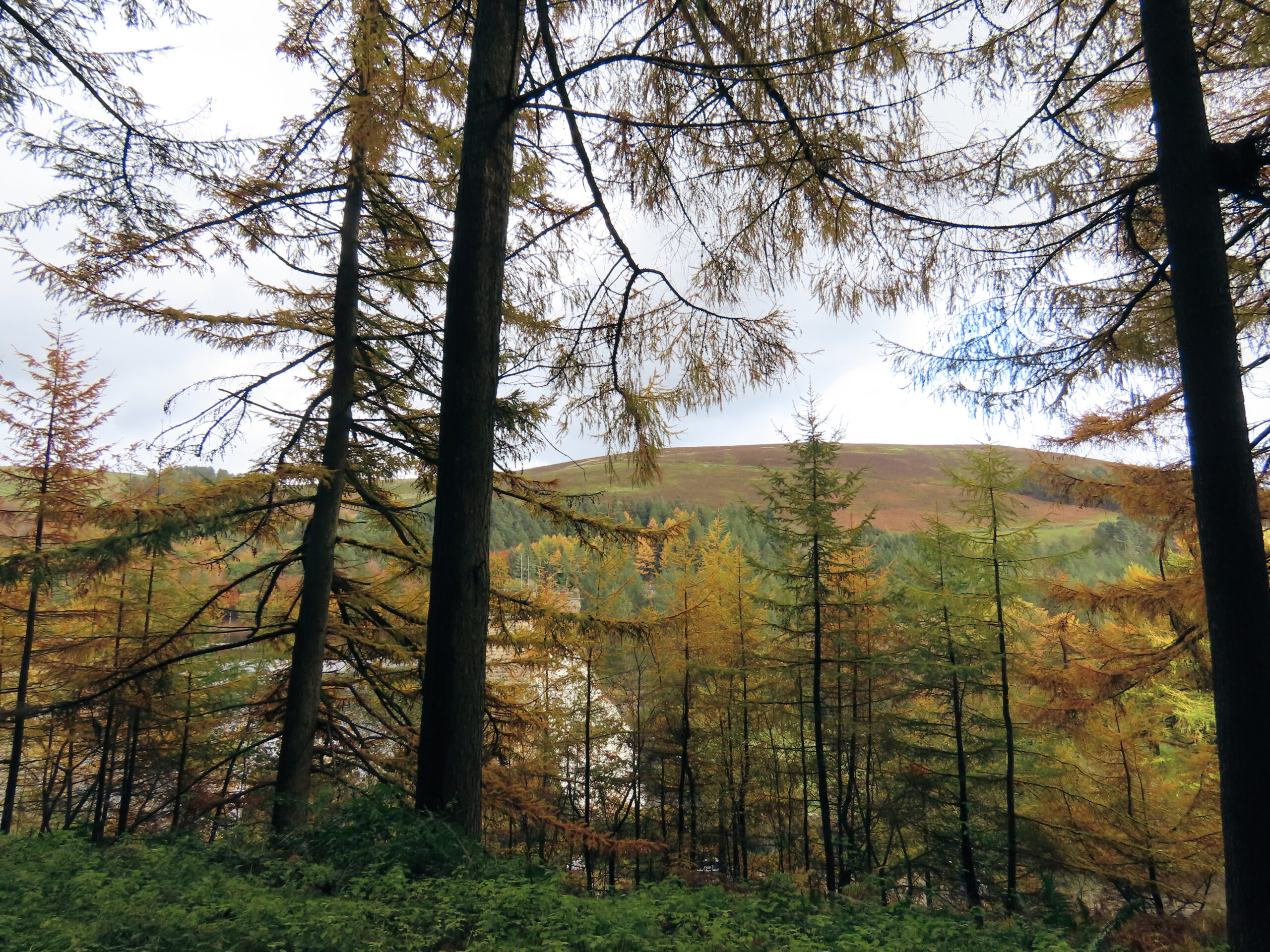
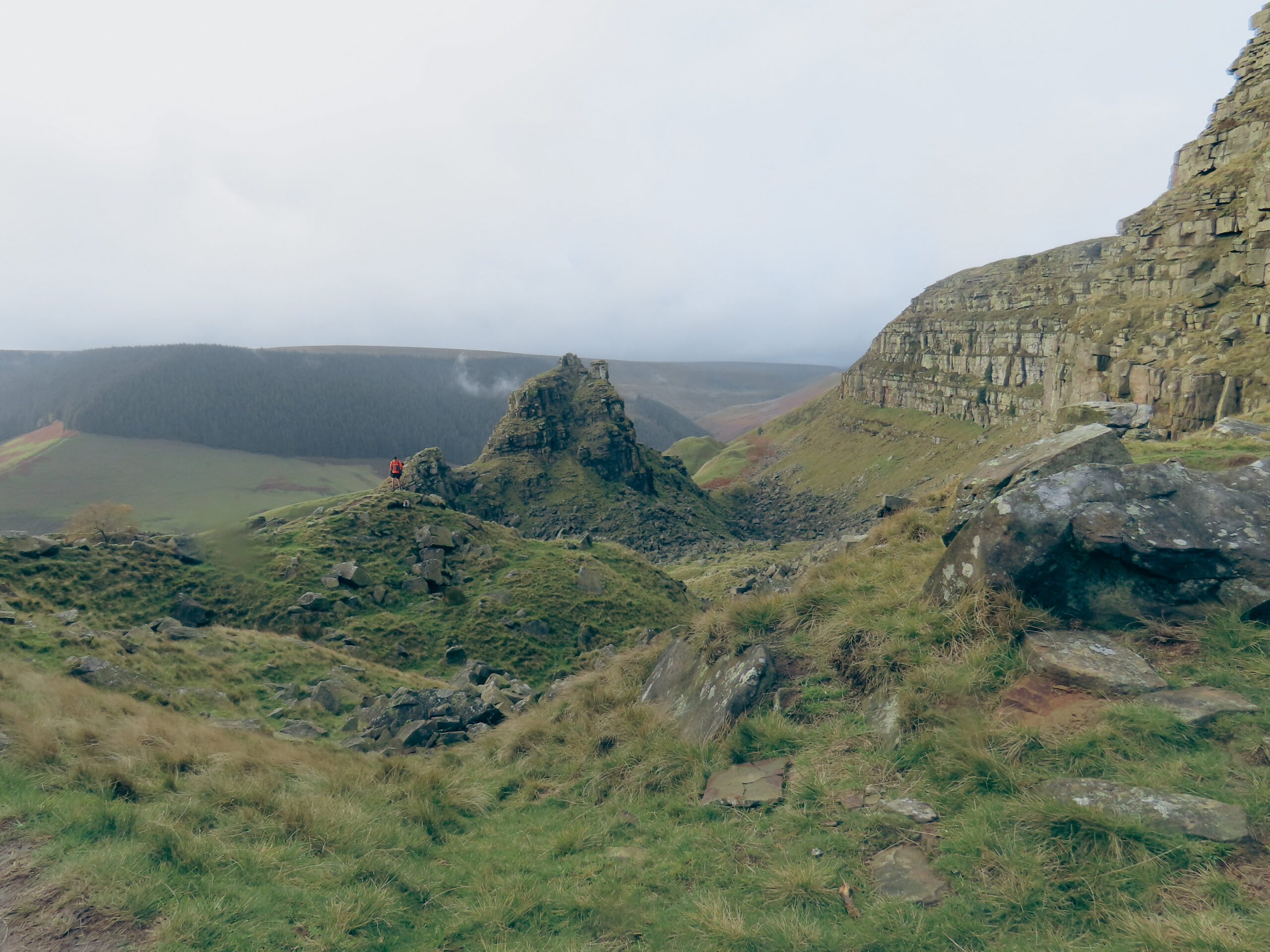
The view from the top of Derwent Dam from the Alport Castles walk. Credit: GetLostMCRThe Alport Castles route includes beautiful woodland. Credit: GetLostMCRAlport Castles in the Peak District. Credit: GetLost MCR
Occasionally, legendary planes like the Lancaster Bomber will still fly overhead to mark the work of the 617 Squadron.
ADVERTISEMENT
The dam stands at one end of the Derwent Reservoir and was constructed to keep up with the huge demand for water from the booming industries in Sheffield, Nottingham and Leicester.
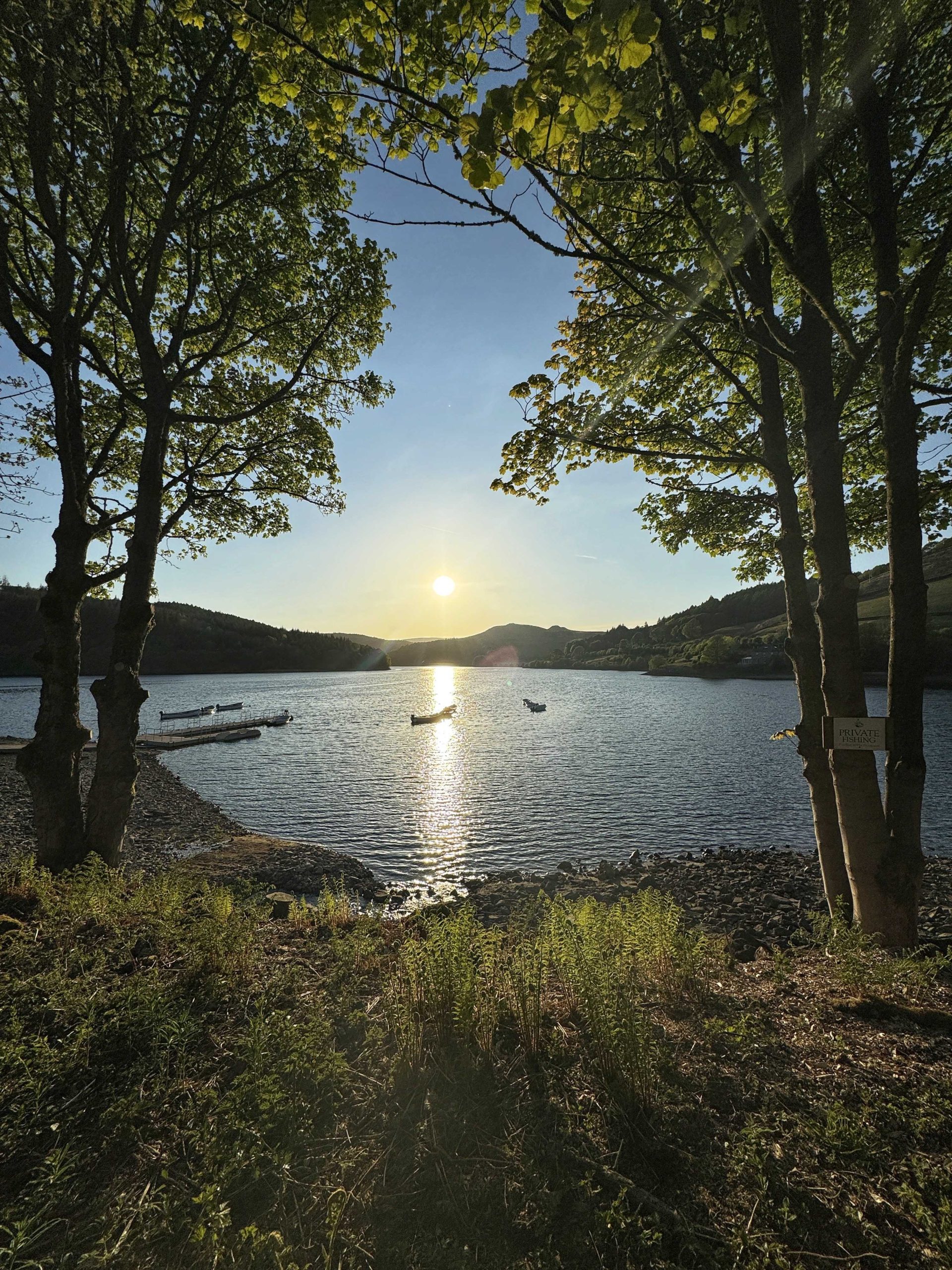
There’s so much water in this part of the Peak District, it’s been referred to as the Lake District of the Peaks.
If you’re eager to get out for some brisk winter fresh air, our pal GetLostMCR has pulled together the most perfect walk, which takes in lakes, views, woodland, and that iconic dam.
The nine mile route is named after Alport Castles, another feature you’ll pass on your way round.
It’s not actually a castle, but rather a tumble of boulders caused by what’s said to be the largest landslip in Britain – it doesn’t take much imagination to see how this geological feature resembles a castle.
ADVERTISEMENT
GetLostMCR’s circular route starts at Fairholmes Car Park and Visitor Centre and you’ll get to visit the best of Derwent Reservoir, Derwent Valley Woodlands, Rowlee Pasture and Alport Castles.
The good-to-knows
Car Parks
The route starts at Fairholmes Car Park. The car park does fill up quickly on weekends, so advice is to visit off-peak where possible.
Start: Fairholmes Car Park, Bamford, Hope Valley, S33 0AQ
Toilet facilities at Fairholmes Visitor Centre
Bicycle Hire – Derwent Valley is a great place to explore cycling trails
Cafes
There’s a refreshment kiosk at the car park, which is open everyday 8am until 6pm (later if there is demand), selling takeaway drinks, snacks and hot food.
Pubs
Ladybower Inn (7 min drive from visitor centre)
Yorkshire Bridge Inn (8 min drive from visitor centre)
Heaton Park’s historic tramway will be back up and running this summer after major funding secured
Emily Sergeant
Historic trams are set to run through Heaton Park once again from this summer thanks to some major new funding being secured.
For just over a year now, trams have been unable to run through Manchester‘s largest suburban park as the electrical substation which powers the Heritage Tramway needed an overhaul to bring it up to current safety standards – but now, some substantial funding has been secured to enable the essential restoration work to begin in the spring.
The trams operate on the only remaining section of the original tramway in Heaton Park, and offer locals and visitors alike a real glimpse into the past.
This piece of local history is operated by the volunteers of the Manchester Transport Museum Society (MTMS) on behalf of the Manchester Tramway Company Limited (MTCL) – a joint venture company between the Manchester Transport Museum Society and Manchester City Council.
This major investment into the existing infrastructure will ensure operation of the trams can continue for many years to come.
The £481,000 funding investment – which has been secured from Manchester City Council – should mean the tramway can restart in summer 2026, which just so happens to coincide with the 125th anniversary of Manchester’s first electric tramways in 1901, so it’s a big deal.
“Our support of the much-loved Heaton Park Tramway not only preserves an important piece of local heritage, but a piece of living history,” commented Councillor Lee-Ann Igbon, who is the Executive Member for Vibrant Neighbourhoods at Manchester City Council.
“The vintage trams hold a special place in the hearts of many people.”
Heaton Park’s historic tramway will be back up and running this summer after major funding was secured / Credit: David Dixon (via Geograph)
Geoff Senior, who is the Chairman of the Manchester Transport Museum Society, called the securing of funding ‘wonderful news’.
He added: “It represents a huge vote of confidence in the hard work and dedication [volunteers] have shown in the last 50 years of working to build, develop and run this vital piece of Manchester’s transport heritage, not only for the citizens of Manchester but those who travel to the park from wider afield.”
As mentioned, upgrade works to the Heaton Park Tramway will begin this spring – with the hopes trams will be back up and running again in the summer.
Featured Image – Adam McKendrick (via Wikimedia Commons)
Travel & Tourism
Transport Secretary commits to ‘transformational’ rail deal with Greater Manchester
Emily Sergeant
The Transport Secretary has signed a ‘transformational’ rail deal for Greater Manchester.
The Government has formally agreed to work with Greater Manchester and Mayor Andy Burnham on plans for a new railway connecting Liverpool and Manchester, via Warrington, as part of Northern Powerhouse Rail (NPR).
The new Liverpool-Manchester line is said to underpin the Northern Growth Corridor – which is a bold strategy to drive growth from the Mersey to the Pennines, stretching into Yorkshire, Lancashire, North Wales, and beyond – with a key connection at Manchester Airport.
Local analysis has suggested that the new line could generate around £90 billion in additional revenue by 2040.
Also, as part of the major investment of up to £45 billion – which was announced a couple of weeks back, and is tipped to transform rail travel across the North – the Government has also said it will work with Greater Manchester partners to explore an underground option at Manchester Piccadilly station, recognising its potential as a ‘catalyst for growth’.
Local leaders say they are keen to demonstrate how an underground station could turn Piccadilly into a ‘Kings Cross of the North’.
Transport Secretary Heidi Alexander met with Mayor Andy Burnham last week to sign the formal agreement.
The agreement recognises the potential for an underground solution at Manchester Piccadilly, while also acknowledging the need for further ‘testing’ to make sure it will deliver value for money, and additionally sets out how the Government will work with Greater Manchester on the wider NPR scheme – which will be delivered in three stages, with the Liverpool-Manchester line to be built in the second phase.
The Transport Secretary has committed to a ‘transformational’ rail deal with Greater Manchester / Credit: TfGM (Supplied)
A formal review of the underground option at Manchester Piccadilly is to be lead by local leaders and senior civil servants.
“I’ve strengthened this Government’s clear and unwavering commitment to Northern Powerhouse Rail by signing an agreement with Mayor Burnham on the next steps for transforming connectivity in Greater Manchester,” explained Transport Secretary, Heidi Alexander.
“With a new line between Manchester and Liverpool at the heart of our plans, alongside new stations at Manchester Piccadilly and Manchester Airport, we will unlock new opportunities, more jobs and more housing for thousands of people.
“By providing early clarity on scope and phasing, we are giving Greater Manchester the certainty it needs to plan ahead and unlock the full economic and social benefits for its people.”