A brand new exhibition honouring Kellogg’s 90-year legacy has opened this week, ahead of the cereal brand’s Trafford Park site closure.
Head on over to Sale’s very own Trafford Local Studies and Archive Centre, just over the road from the tram stop, to catch a glimpse into the past 90 years of local history of the iconic Kellogg’s Trafford Park manufacturing site.
This new exhibition is in place to celebrate the products, history and cultural significance of Kellogg’s Trafford Park factory, as well as to commemorate all of the exceptionally hard working individuals in Stretford who have been involved from the very beginning.
For this reason, the exhibition was developed in partnership with colleagues from the factory and is purposely set up in a space where the local community can access and appreciate it, as without them Kellogg’s wouldn’t be what it is today.
In January 2023, even King Charles III paid a visit to the factory, to celebrate the 100 years of Kellogg’s ‘Bringing Breakfast to Britain.’
ADVERTISEMENT
Despite narrowly missing being hit during the Blitz, this particular site has managed to maintain its status of being the biggest cereal plant in Europe and at full capacity it is able to produce a million boxes of cereal a day – pretty impressive if you ask us.
Since 1938, when the factory first opened here in Stretford, lots has changed but fear not Kelloggs aren’t closing down – they are simply moving from the Trafford facility to Wrexham to facilitate more modern manufacturing.
ADVERTISEMENT
You can expect to learn all of the history of our nation’s favourite cereal company as you walk around the Kellogg’s exhibition. The story is expertly told through a number of displays presenting more than 100 artefacts, rare collectibles, the contents of a time capsule, photographs and archival footage.
Old Kellogg’s packagingMore relics from the past
We found it particularly interesting seeing how the imagery and branding merchandise has evolved over almost a century, with the iconic characters that we know and love, looking rather different back in the day.
Whether you have a favourite character out of Tony the Tiger, Cornelius the Cockerel, or Coco the Monkey, go on down and see how Kellogg’s instantly recognisable cereal box mascots have changed over the years – it would seem at some point Tony started heading to the gym?!
ADVERTISEMENT
There are even examples of Tony the Tiger and Coco the Monkey supporting Movember with their very own moustaches, or Tony-inspired face masks worn by staff throughout the Covid-19 pandemic.
The exhibition successfully evokes a strong sense of childhood nostalgia, with Kellogg’s forever being a cornerstone to Greater Manchester’s community life, many of us will be able to recall collecting the toys as a child, sending off for the collectibles, getting a multipack of the mixed small cereal boxes for a camping trip or even visiting the Kelloggs factory as a child with school and savouring that sweet smell.
You can learn about the history of Kellogg’sPure nostalgia
So, whether you’re an avid Crunchy Nut conflakes fan or you’ve recently found out about the nutritional benefits of Rice crispy bars as a pre-workout snack via Tiktok, go on down to learn more about this cracking bit of local history.
Tim McKnight, Plant Director at the Kellogg’s Trafford Park factory, said: “The Trafford Park factory means a great deal to us and the community, and we hope this exhibition helps celebrate that pride and the lasting contribution our colleagues have made to Greater Manchester.”
A spokesperson for Trafford Council said: ” For nearly 90 years the plant has been a major local employer and a source of pride for generations of families, and this exhibition is a fitting tribute to the people behind the brand and the role they’ve played in shaping breakfast tables around the world.
ADVERTISEMENT
“While we are saddened by the closure of the plant, it has been important for us to work with Kellogg’s to preserve and showcase these remarkable archives.”
Admission at Trafford Local Studies and Archives Centre is free, open six days a week with the exhibition on the ground floor of Sale Waterside running until early August 2026.
For further information to support the physical exhibition, head HERE.
Everything you need to know about Manchester Christmas Markets 2026 – dates, locations, and more
Emily Sergeant
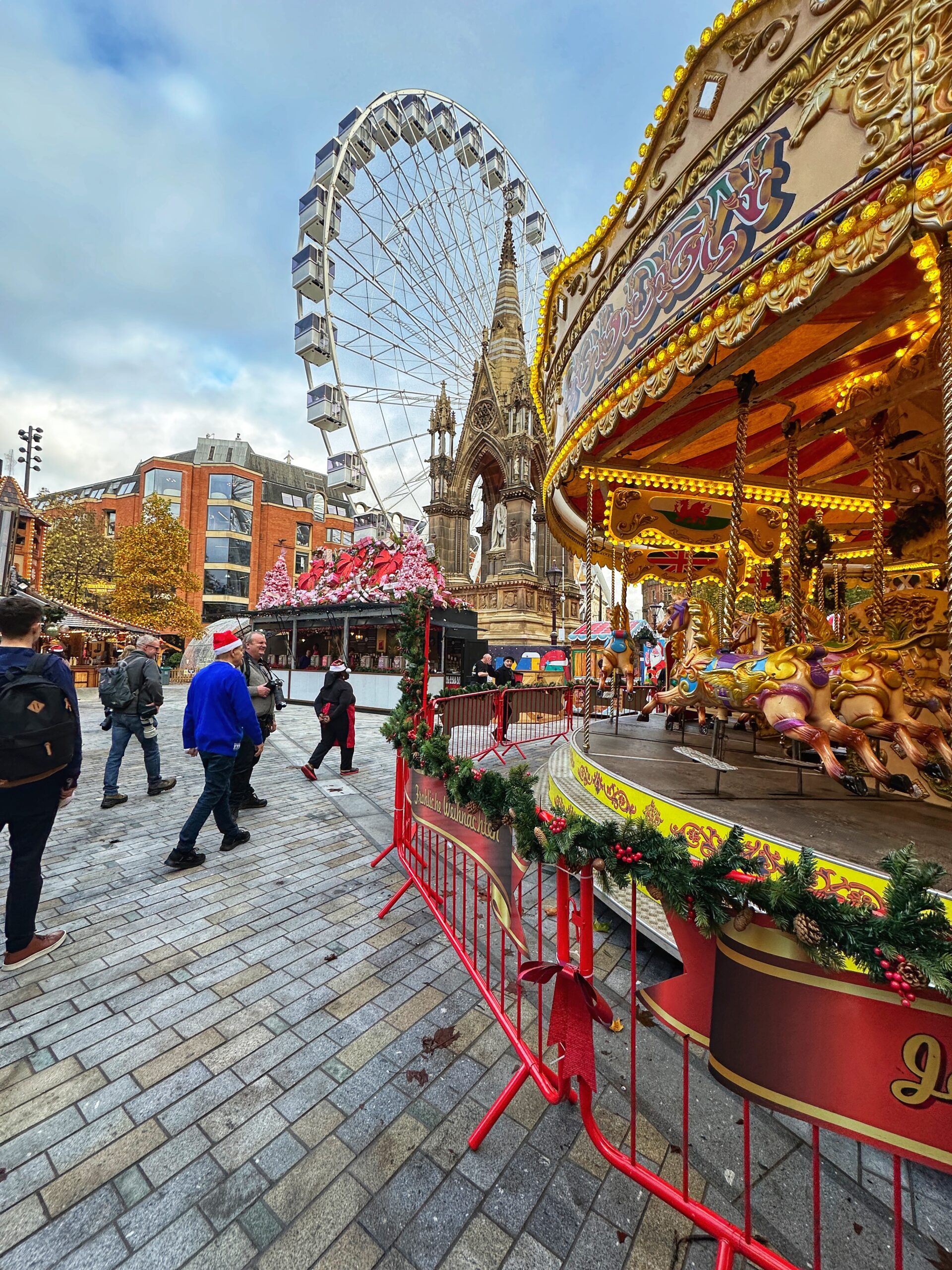
Manchester Christmas Markets will be taking over the city centre this festive season, with hundreds of little wooden huts lining the streets.
Now in their 27th year, Manchester Christmas Markets are known and loved for bringing thousands of people into the city centre each year to fill up on fantastic festive treats and soak up all the Christmas atmosphere.
This year will see a bigger return of Albert Square, after the headline-grabbing partial return at last year’s event – with the big wheel also set to make a comeback.
There’s also set to be some new locations too for 2026, with Lincoln Square joining in on the action, as well as big changes to St Ann’s Square with what is being described as a ‘brand new layout’ bringing in a bigger number of market stalls.
There will be a total of 210 stalls spread out across the city centre.
When are the Manchester Christmas Markets 2026?
This year’s Manchester Christmas Markets will take place between Friday 6 November and Monday 22 December, across 10 different city centre locations.
Some sites will remain open even longer though – there’ll be festivities continuing at both Albert Square and Cathedral Gardens (which is home to the Skate Manchester ice rink) until Sunday 3 January 2027.
Another date for your diary is the Manchester Christmas Parade, which will see floats and performers filling the city on Sunday 6 December.
Manchester Christmas Markets locations
Manchester Christmas Markets
There are some brand-new spots to check out this year as the markets officially leave Piccadilly Gardens and return to their spiritual home around Albert Square.
Notably, Lincoln Square will be hosting a food and drink-focused market for the first time.
St Ann’s Square will also have a brand-new look, and Albert Square will again be home to a helter-skelter and a big wheel, along with loads of food, drink, and festive retail.
The locations are:
Albert Square
Lincoln Square
King Street
St Ann’s Square
Corn Exchange
Exchange Street
New Cathedral Street
Market Street
Exchange Square
Cathedral Gardens
You can see more about what each location will offer HERE.
Manchester Christmas Markets 2026 opening and closing times
The vast majority of the Manchester Christmas Markets locations will be open from 10am to 9pm daily, through to 22 December.
The only exceptions are as follows:
Albert Square
6 November – 23 December: 10am to 9pm
24 December (Christmas Eve): 10am to 5pm
25 December (Christmas Day): Closed
26 December – 30 January: 10am to 6pm
31 January (New Year’s Eve): 10am to 12.30am
1–3 January: 10am to 6pm
Cathedral Gardens
6 November – 23 December: 10am to 9pm
24 December (Christmas Eve): 10am to 5pm
25 December (Christmas Day): Closed
26 December – 30 January: 10am to 6pm
31 January (New Year’s Eve): 10am to 12.30am
1–3 January: 10am to 6pm
Food and drink highlights at the Manchester Christmas Markets
Great North Pie Co. at the Manchester Christmas Markets. Credit: The Manc GroupHong Kong French Toast at the Manchester Christmas Markets. Credit: The Manc Group
Until the markets are officially open, we’re not sure exactly what this year’s top stalls and must-eats will be – but looking at the trader list, we can give you a good idea.
The always-popular Yorkshire Pudding Wraps from Porky Pig will be back in Exchange Square, along with the iconic Witch House German bratwursts a short distance away on New Cathedral Street.
Other traders we loved in 2025 who’ll be returning this year include Great North Pie, Flat Baker, Hong Kong French Toast, and Oi Dumplings.
ADVERTISEMENT
Travel advice and how to get to the Manchester Christmas Markets
As usual, passengers are advised to travel with public transport wherever possible, as the city centre will be very busy with both Christmas Markets visitors and shoppers.
There are eight tram stops in the city centre that will put you within walking distance of the festivities, with St Peter’s Square the closest to the main site at Albert Square.
Trains and buses also serve the city centre well, but if you really need to drive, TfGM is advising to make use of the park and ride system rather than risking traffic delays in town.
ENB’s Romeo & Juliet at Palace Theatre Manchester – the world’s most famous story expertly reimagined | Review
Emily Sergeant
Every now and then you experience a bit of a full circle moment… and for me, this was one of them.
Back in 2011, when I was a dance-obsessed 14-year-old, taking and assisting classes countless times a week, I became enamoured by a BBC documentary series called Agony & Ecstasy: A Year with English National Ballet. As one of the country’s premier ballet companies – celebrating its 60th anniversary at the time of the documentary – ENB allowed cameras behind the scenes, from the rehearsal room to backstage, giving audiences a previously unseen inside look on what it takes to stage some of the most spectacular productions your eyes will ever meet.
One of the ballets being staged in the year the BBC followed the company was Romeo & Juliet.
Based on a story known around the world and with an unmistakable score by Prokofiev, it’s a ballet I was already fond of prior to the documentary, but seeing the work that went into making the show a reality, up close like never before, it turned into one of my favourites.
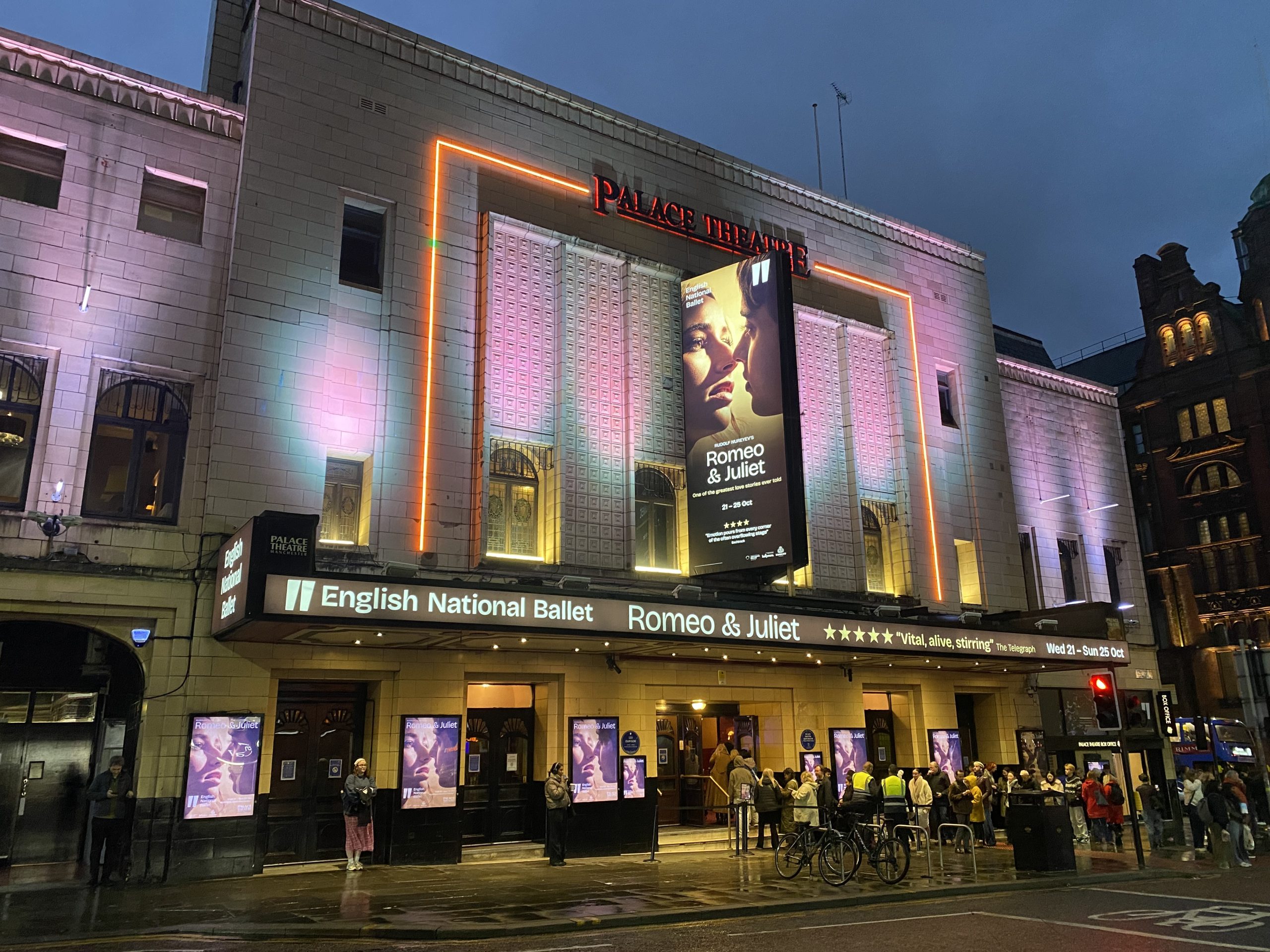
Over the years, I have been fortunate enough to see several different dance stagings of Romeo & Juliet – but last night, at the Palace Theatre in Manchester, was the first time I got to sit in the audience and see English National Ballet’s production live with my own eyes.
And it was just as magical as I was hoping it would be.
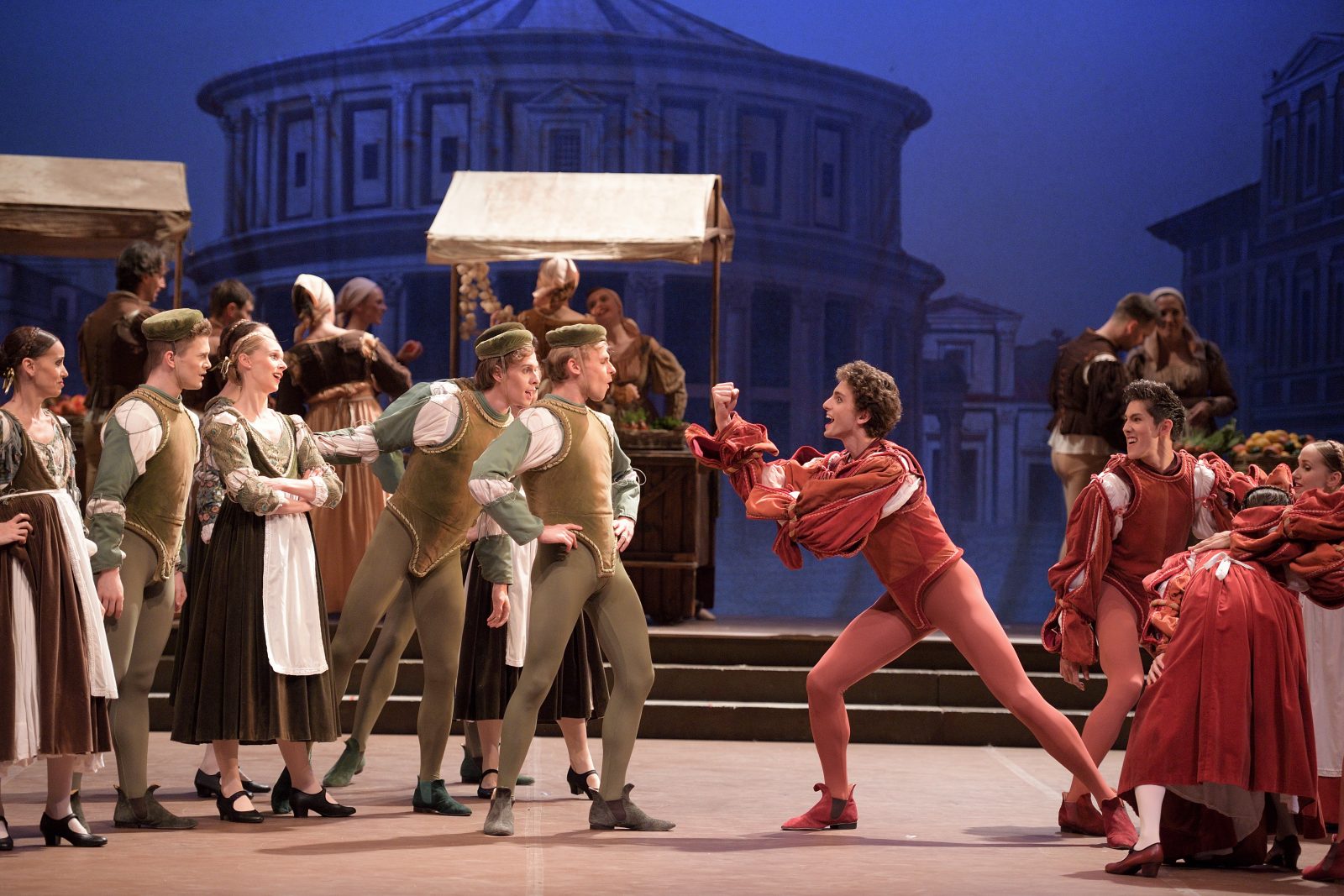
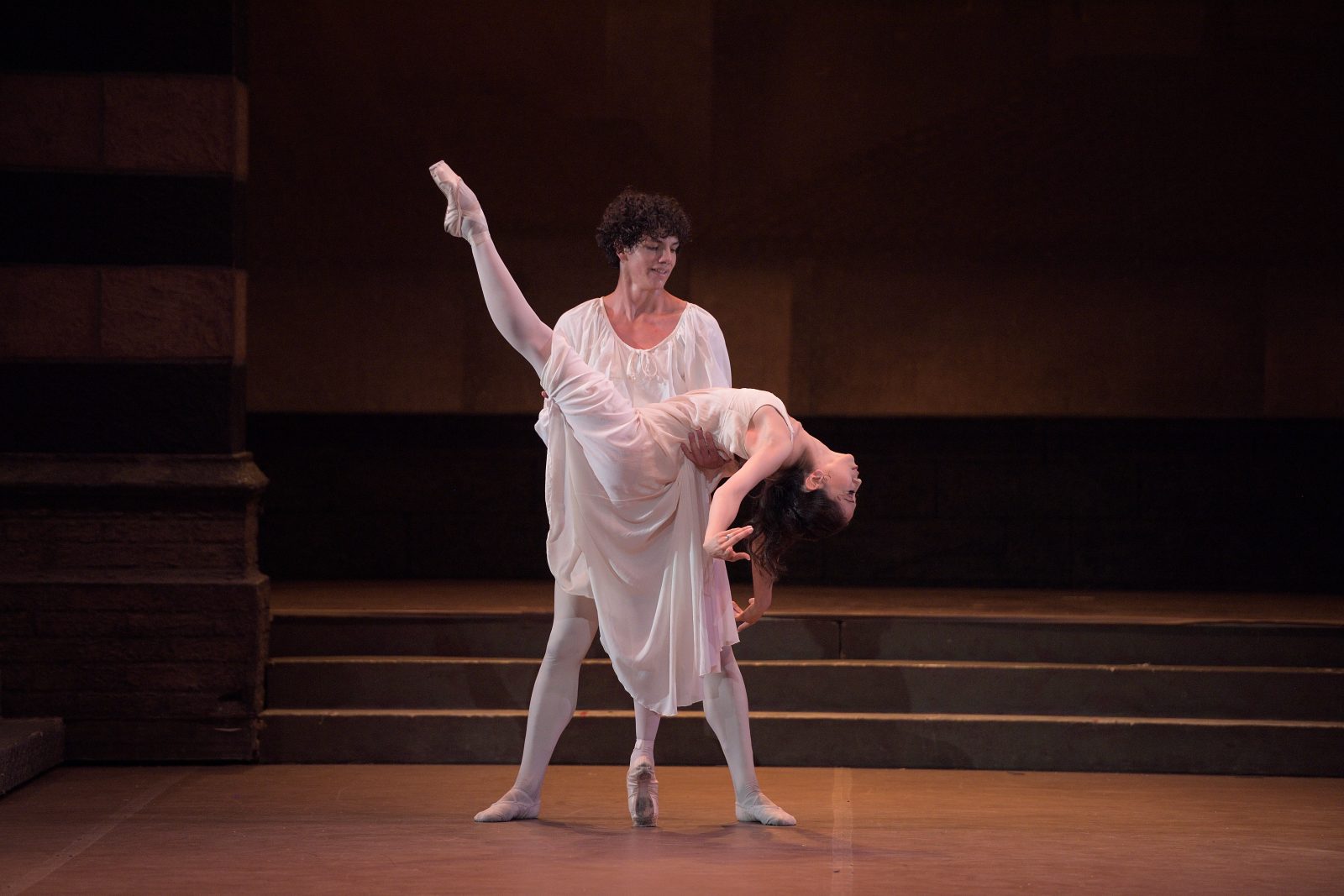
ENB’s Romeo & Juliet is now on stage at Manchester Palace Theatre / Credit: Laurent Liotardo
Right off the bat, I’m just going to presume you already have somewhat of a grasp on the story of Romeo & Juliet, right? Given the fact it’s arguably Shakespeare’s most famous work and one of the most iconic plays of all time.
And you’ll be pleased to know, even if you’re not seasoned in watching ballet, that the story we all know and love remains largely intact for this production, therefore making it easy for audiences of all ages and interests to follow along and admire.
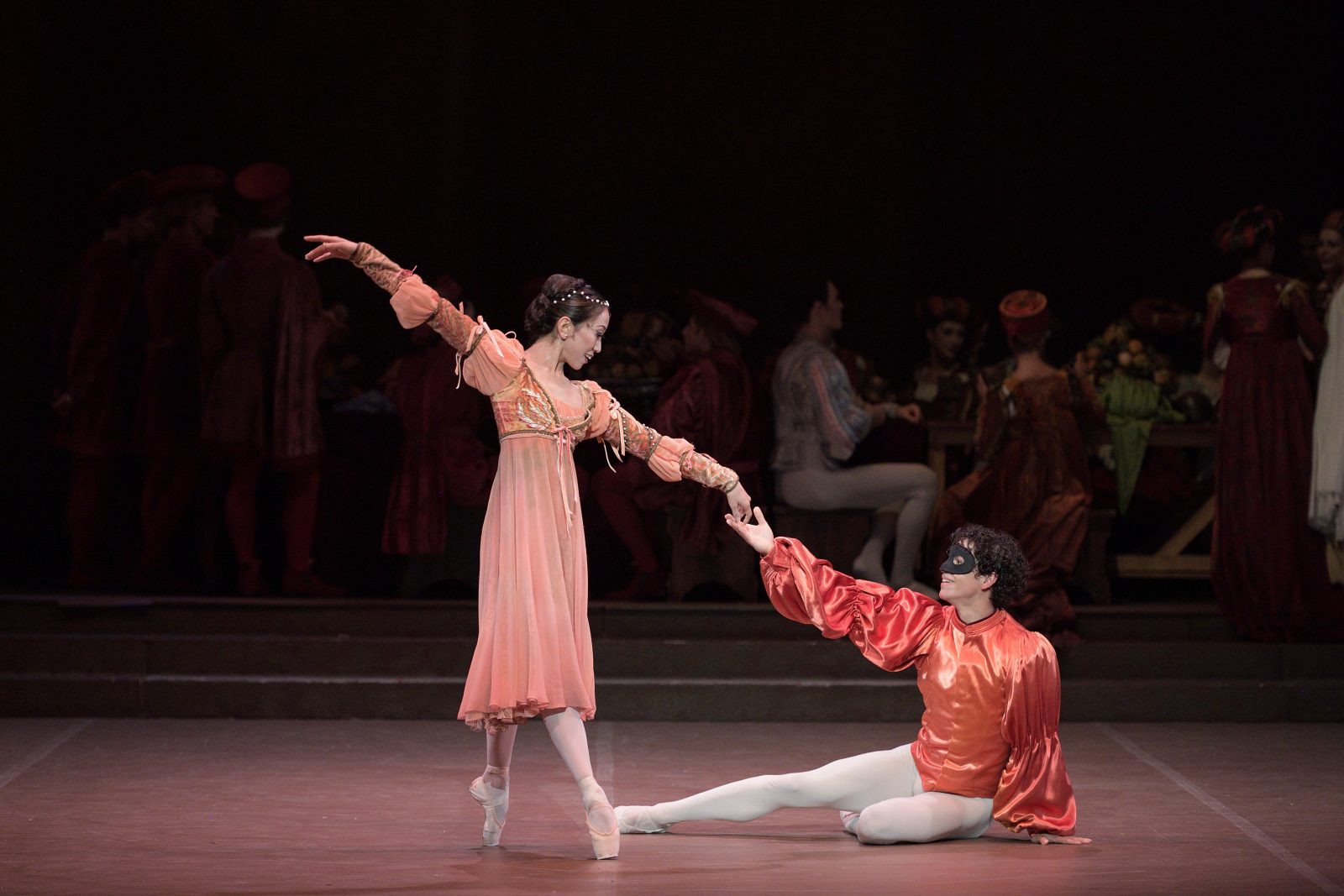
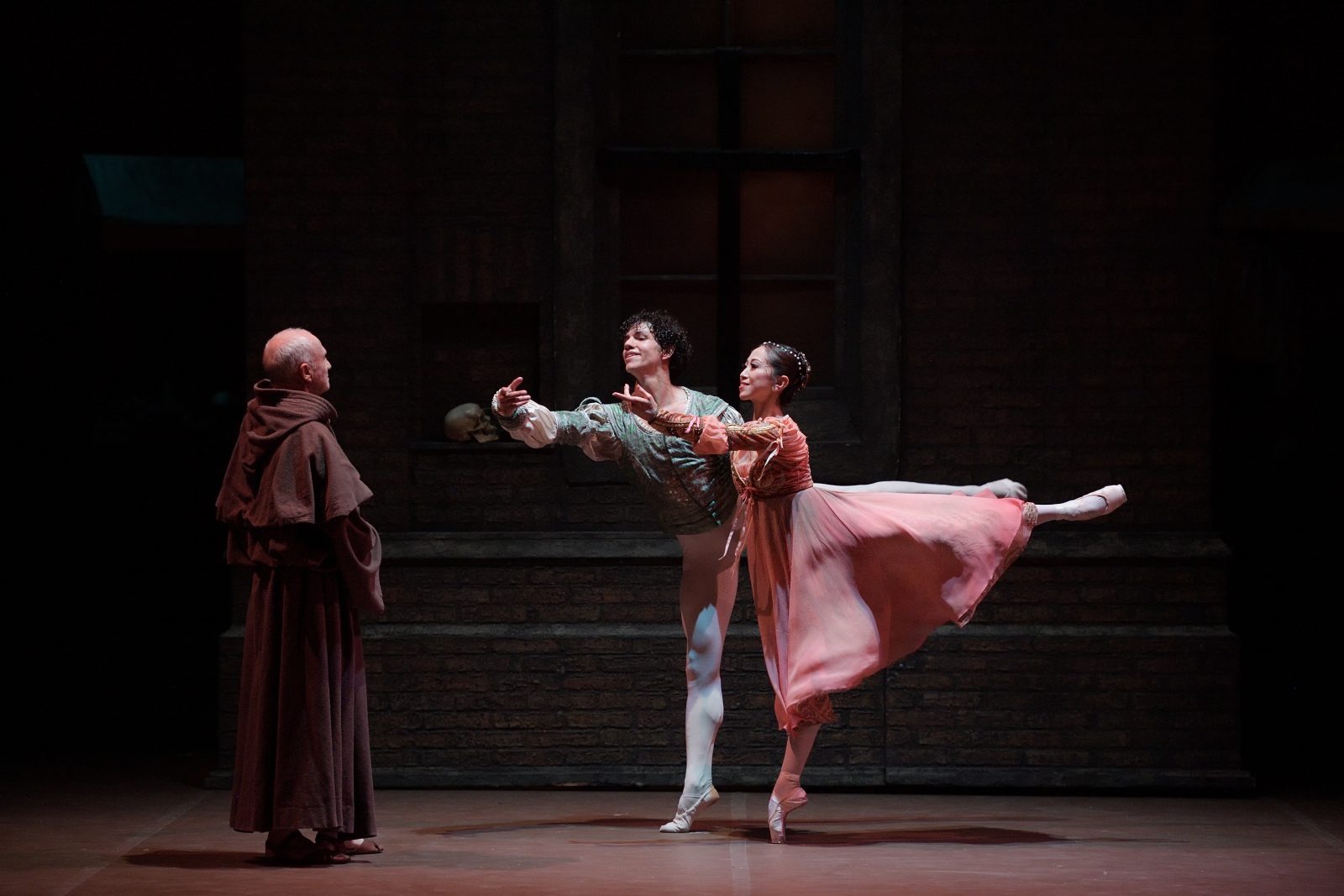
The two title characters, the star-crossed lovers themselves, were embodied expertly by Rentaro Nakaaki and Julia Conway as Romeo and Juliet, who had the audience captivated from the second they entered the stage – with undeniable chemistry and enviable technique.
Fabian Reimair took on the role of Tybalt with ease, Noam Durand was Mercutio, and Rodrigo Pinto was Benvolio, all while Elvis Nudo and Minju Kang stepped into the shoes of Paris and Rosaline.
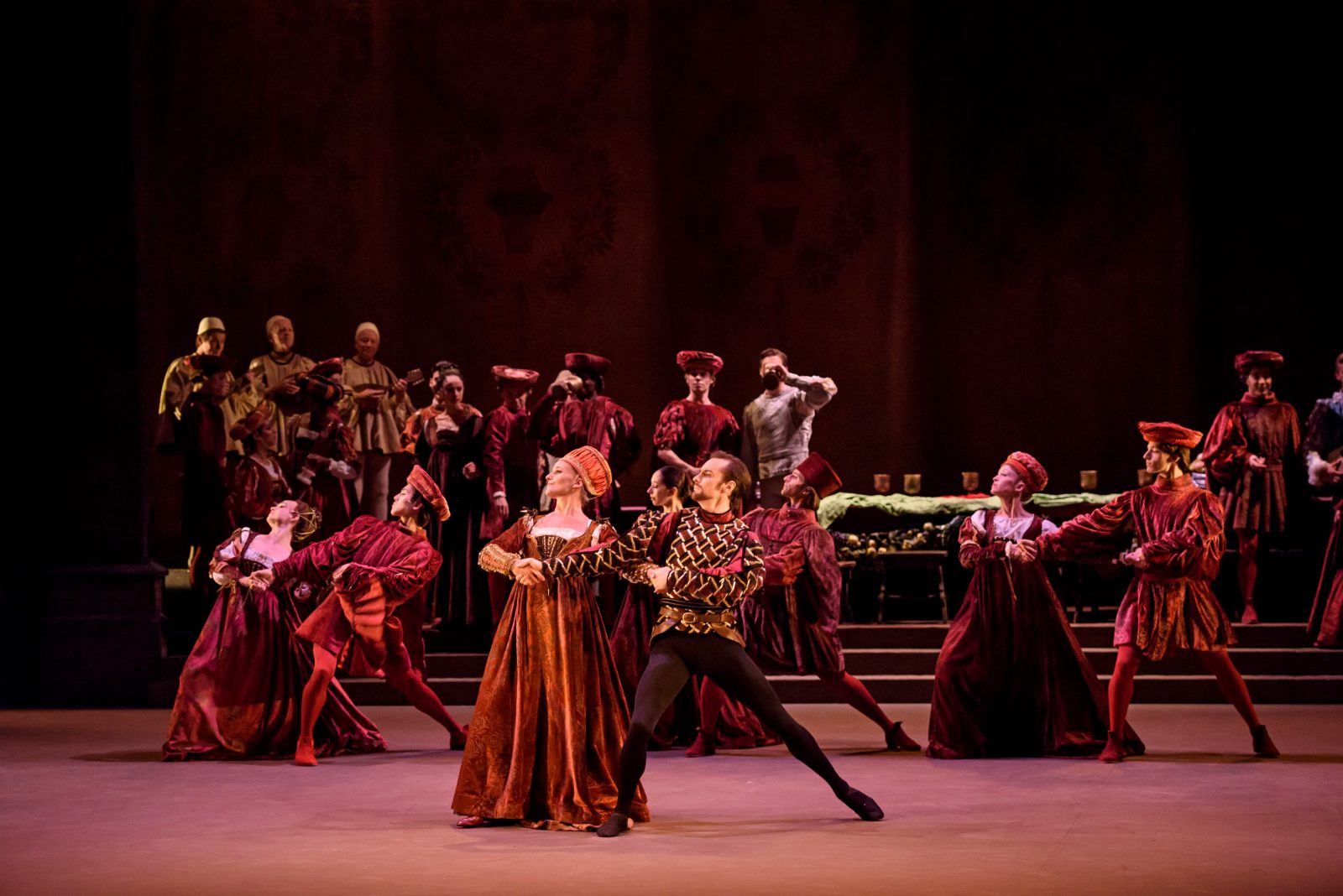
But the lead roles are nothing without the wider cast of supporting dancers and character actors, who really help transport you to 14th century Verona and help bring the authenticity a production as epic as this requires.
The world’s most famous story has been expertly reimagined / Credit: Bill Cooper | Laurent Liotardo
Aside from the dancing, it would be remiss not to praise the expert sets and costuming here from Ezio Frigero and Franca Squarciapino.
And I suppose I should also give a shoutout to little-known name, Rudolf Nureyev, who choreographed this version of Romeo & Juliet all the way back in 1977. Something tells me he would’ve had a great career… I could be wrong, though.
Romeo & Juliet really is one of the most tragic love stories of all time, and the power of that is not lost through dance. It’s still as raw and heartbreaking in this production as it always is.
And that is truly a credit to every single person forming part of it – both on the stage and off.

 Lydia Mastrolonardo -
15th May 2026