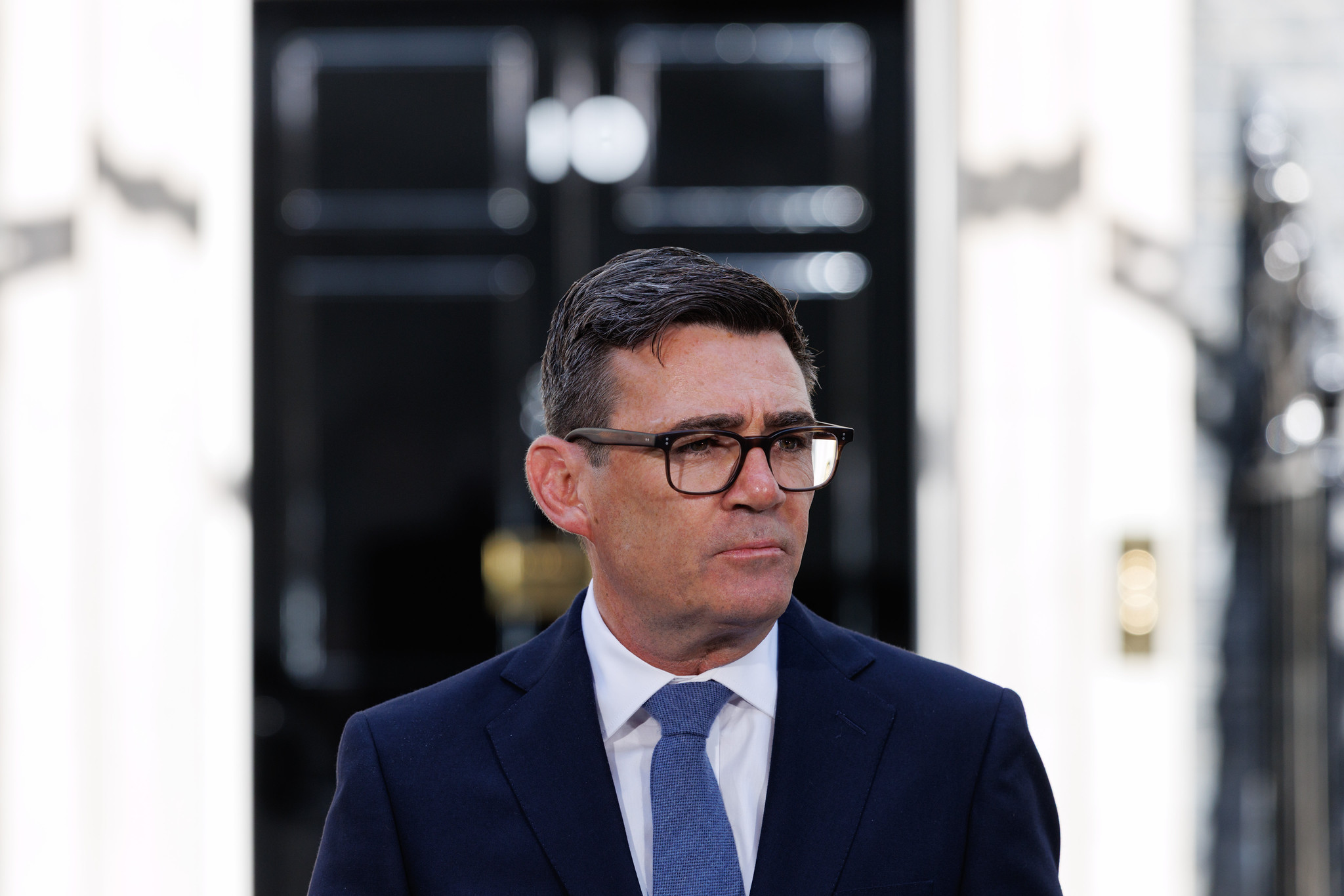
Rishi Sunak is expected to soon unveil plans that will make it compulsory for all pupils in England to study maths up until the age of 18.
It’s believed to be part of the Prime Minister‘s “new mission”.
According to UK government figures, it’s thought that around eight million adults in England have the numeracy skills of primary school aged children, and 60% of disadvantaged pupils nationwide do not have basic maths skills at 16.
But the Prime Minister is expected to set out a pledge to address this in his first speech of the year today and explain why he wants pupils to study some form of maths until 18.
Mr Sunak will apparently make his mission to “reimagine our approach to numeracy” clear in his speech, while enforcing his belief that “letting our children out into the world without those skills is letting our children down.”
ADVERTISEMENT
He is expected to say in his speech today: “One of the biggest changes in mindset we need in education today is to reimagine our approach to numeracy. Right now, just half of all 16-year-olds study any maths at all. Yet in a world where data is everywhere and statistics underpin every job, our children’s jobs will require more analytical skills than ever before.”
New Year is a time for optimism, but I know there’s also a lot of apprehension.
I am working night and day to change that, and quickly.
A spokesperson for Number 10 said details of the Prime Minister’s “new mission” will be announced “in due course”, but that the government did not “envisage” making maths A-Level compulsory, and is instead exploring the right route for these plans.
ADVERTISEMENT
These include the Core Maths qualifications, T-levels, and other “more innovative options”.
During the speech, Mr Sunak is expected to acknowledge that “reform on this scale won’t be easy”, and this will likely mean that the policy will not come into force until the next parliament.
Downing Street said pupils studying maths until 18 would put England on a par with most other OECD countries – including Australia, Canada, Finland, France, Germany, Japan, Norway, and the US – although, these initial plans haven’t been met well by opposition parties, with Labour saying the whole thing would be “an empty pledge” if they could not recruit more maths teachers.
ADVERTISEMENT
Rishi Sunak to make it his ‘mission’ that all pupils in England study maths until 18 / Credit: Jeswin Thomas (via Unsplash)
Labour’s shadow education secretary Bridget Phillipson criticised the plan and Mr Sunak, saying: “He cannot deliver this reheated, empty pledge without more maths teachers.
“Yet the government has missed their target for new maths teachers year after year, with existing teachers leaving in their droves. Now, maths attainment gaps are widening yetRishi Sunak as chancellor said the country had ‘maxed out’ on COVID recovery support for our children.”
Liberal Democrat MP Munira Wilson echoed Labour’s view and said the Prime Minister’s words “mean nothing without the extra funding and staff”
“You don’t need a maths A-level to know it takes more teachers to teach maths to age 18 than to 16,” she added.
Featured Image – Lauren Hurley / Number 10 Downing Street (via Flickr)
News
Details released of Andy Burnham’s meetings with Manchester City owners while Mayor
Emily Sergeant
Details of Andy Burnham’s meetings with Manchester City owners during his tenure as Mayor of Greater Manchester have been released.
In case you need bringing up to speed on the situation a little first, Manchester City was found guilty back in September all of its charges related to the Premier League’s financial rules over a nine-season period, and on top of that, was also found guilty of the majority of charges in relation to its failure to co-operate with the League’s investigation.
According to the Premier League, the independent Commission found that Manchester City had arranged so-called ‘sham’ commercial deals with a number of its sponsors.
These were part of a disguised funding scheme – with those sponsors only required to pay a portion of the relevant sponsorship fees.
The remainder was then funded by Abu Dhabi United Group Investment & Development Ltd (ADUG), which owned the club.
The Commission also concluded, as quoted by the Premier League, that the club had ‘made concerted efforts to stop and frustrate the Premier League investigation’.
Within the past week or so, it has since come to light that now-Prime Minister Andy Burnham had dealings with Manchester City during his tenure as Greater Manchester Mayor, and Greater Manchester Combined Authority (GMCA) has now issued a public statement, giving details on the matter and what these ‘dealings’ entailed.
A spokesperson for GMCA confirmed that Burnham had a ‘formal meeting’ with Man City Chairman, Khaldoon Al Mubarak, back in October 2021.
The statement reads in full: “In October 2021, Andy Burnham, in his role as Mayor of Greater Manchester, had a formal meeting with Khaldoon Al Mubarak at the UK Government’s Global Investment Summit arranged by the Department for International Trade.
“In his capacity as Mayor, he was a guest of Manchester City FC at home matches on a small number of occasions, including attending Vincent Kompany’s testimonial match in September 2019, where he met the Chairman informally in the stands. These have been declared in the usual way.
“Also during his time as Mayor, representatives of Greater Manchester sporting clubs would routinely join business delegations as part of Mayoral international visits.
“This included representatives from Manchester United travelling to Austin and Dublin, Lancashire Cricket Club joining a delegation to India, and Manchester City FC staff supporting visits to China and Japan.”
Featured Image – Lauren Hurley / Number 10 Downing Street (Press Image via Flickr)
News
Multiple arrests made for ‘tragedy chanting’ and police officer assault as Man City defeated Liverpool
Emily Sergeant
Multiple people were arrested over the weekend as Manchester City defeated Liverpool in a Premier League clash.
Merseyside Police have confirmed that a total of 10 people were arrested during the policing operation at Liverpool’s home ground of Anfield as they hosted Manchester City on Sunday 11 October.
One man was arrested on suspicion of assaulting a police constable, five were on suspicion of tragedy chanting, one on suspicion of being drunk and disorderly, two for affray, and one on suspicion of throwing items onto the pitch.
Police are now appealing to the public, and are particularly looking to speak to witnesses of the assault of the officer.
At around 6:35pm, as fans left the stadium, a police officer sustained a ‘serious facial injury’ during the arrest of a man on Anfield Road, and was subsequently taken to hospital for treatment but is now recovering at home.
Investigating officers are now conducting enquiries, speaking to witnesses, and analysing CCTV and camera phone footage.
Chief Inspector Leanne Hobin said it’s ‘extremely disappointing’ that an officer has sustained a serious injury while carrying out their duty.
“I hope the arrests send a clear message and act as a deterrent to others,” Chief Inspector Hobin continued. “Anyone who engages in this abhorrent behaviour risks ending up in custody and getting a criminal record.
“Despite the actions of a few, the overwhelming majority of the 60,000 fans in attendance behaved well and I want to thank them for their co-operation.”
Manchester City ended up defeated Liverpool 3-0 during the Premier League clash at Anfield.

 Emily Sergeant -
4th January 2023
Emily Sergeant -
4th January 2023