24 Urmston businesses have launched a unique advent calendar to help the local economy
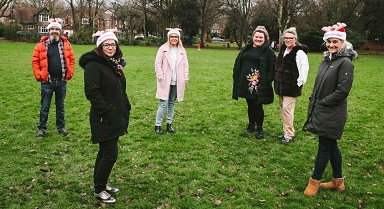
But, after being forced to close down and subsequently suffering huge losses, the group have decided to do an 'Indie Advent' - whereby one business is the focus of a virtual campaign on a separate day, and each offers a special treat hidden behind their ‘advent door’.
Local businesses have been amongst the worst hit during the coronavirus pandemic – so two dozen Urmston companies have decided to do something about it.
Two years ago, several small businesses in Urmston got together to form ‘Indie Urmston’ to try and increase footfall and sales in the area.
But, after being forced to close down and subsequently suffering huge losses, the group have decided to do an ‘Indie Advent’ – whereby one business is the focus of a virtual campaign on a separate day, and each offers a special treat hidden behind their ‘advent door’.
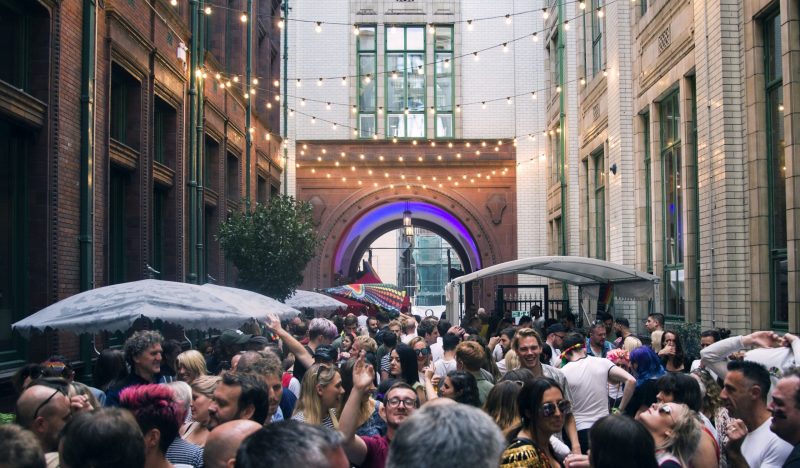
Copyright Alison Groves Photography
Running from the 1st-24th of December, the treats range from the release of a new product to a special offer for their advent day.
Indie Urmston said: “From restaurants and pubs to coffee shops, retail stores, hairdressers and beauty salons, there is a real mix of independent businesses involved in Indie Advent, with the overriding objective to encourage people to shop local this Christmas and support independent businesses fighting for survival in Urmston.”
ADVERTISEMENT
At its halfway point, the businesses involved have already announced impressive offers such as 35% off at Little Yu boutique, and Prairie Schooner Taphouse’s 12 beers of Christmas.
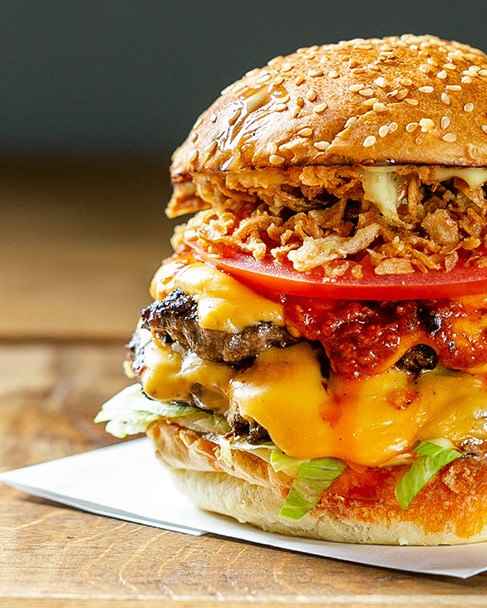
Get Chucked Burger
Scott Power, co-owner of Get Chucked and founder of Indie Urmston said: “Urmston is very much an up and coming place and the high-street is full of independents, so basically we saw that and we thought, Urmston is going to be better if we bring more people to the area and share the love.”
ADVERTISEMENT
Coronavirus has eliminated a huge portion of the footfall that generates profit for businesses when they are allowed to be open, so this project is hopeful that it can decrease some of the damage done for the businesses in Urmston.
Scott said: “When people hear about a business potentially not doing so well, There is very much a rallying spirit that goes around they pull together in support. And I think the whole Indie Advent event is geared towards letting people know that these places are still here.”
Copyright Alison Groves Photography
The independent businesses involved in Indie Urmston include; Little Yu Boutique, Kin Bakehouse, The Barking Dog, What’s the Catch, Ixia Flowers, Scrumptious, The Larder at 7, Nikki & Co, Music for the Soul Records, Prairie Schooner Taphouse, Fred’s, Poppies 11, Kelder, Get Chucked, Thomas Carter Opticians, The Steamhouse, Rose & Bumble, Astoria Bar & Restaurant, BrauHaus, A Cut Ahead, Lockette’s Fashion, Craft Brewtique, The Retreat and Showcase Studios.
Daily updates can be found @indieurmston on Instagram.
Business
‘Remember to support genuine independents’ – Manchester’s rotisserie chicken bistro Tartuffe announces closure
Emily Sergeant
Rotisserie chicken bistro Tartuffe has called final orders on its time at popular city centre hangout, Side Street.
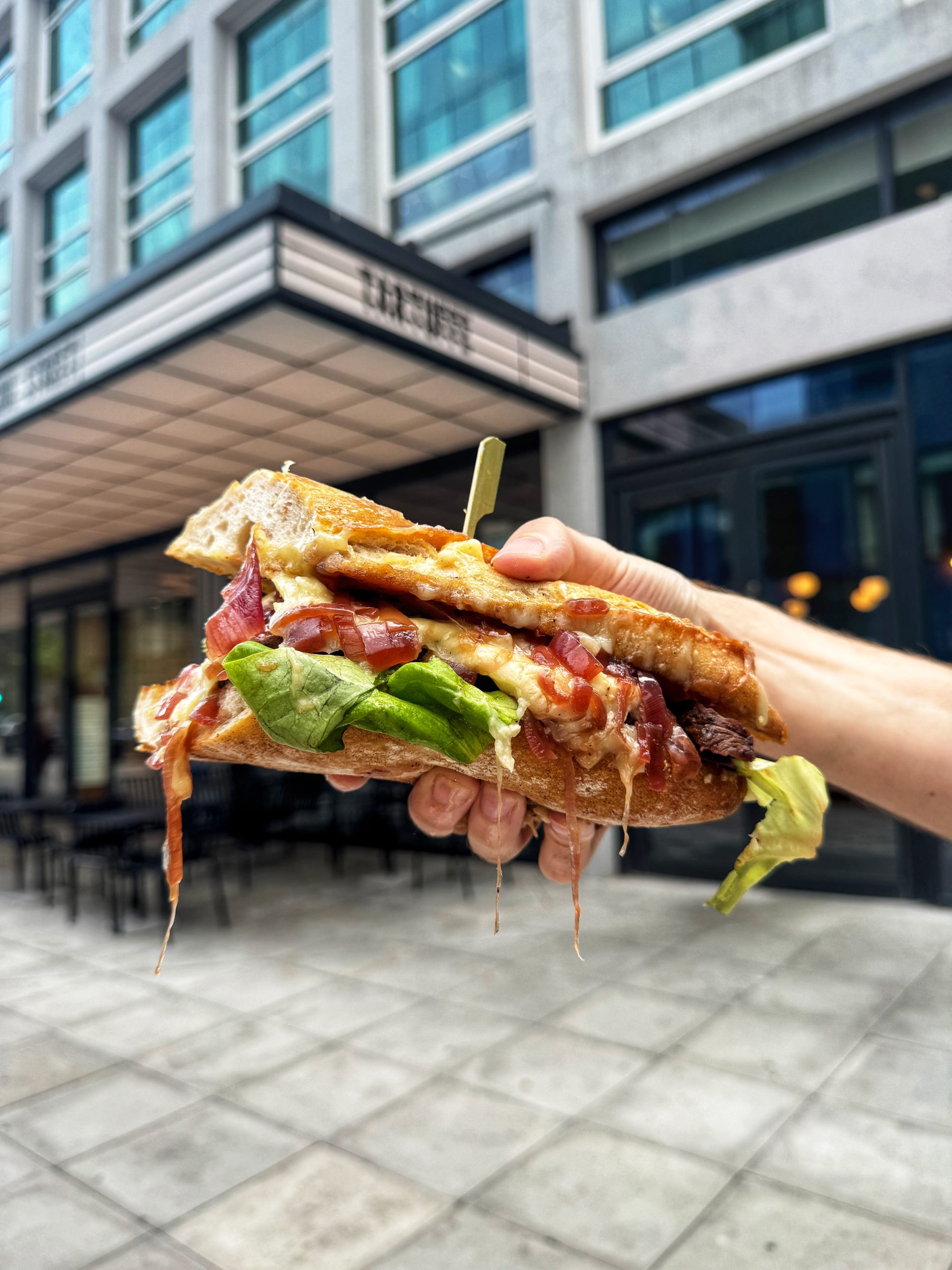
Serving some of the best rotisserie chicken in Manchester – ‘sexy chicken’, if you will – Tartuffe first landed at Side Street inside the ABC Building back in the later summer of 2024, and quickly became known and loved by critics and customers alike for not just their rotisserie options, but also their stylish bar snacks and standout sides.
But despite being a roaring success these past two years, Tartuffe took to social media this week to announce the end of the ‘longest pop-up ever’, with its final service being tomorrow (25 September).
Tartuffe will be leaving Side Street this Friday / Credit: The Manc Group
Announcing its closure on Instagram, Tartuffe wrote: “That’s right, our time at Side Street has come to an end and our final service here is this Friday.
“It’s been an incredible two and a half years cooking for the wonderful people of Manchester and we’re hugely thankful to everyone who’s been to see us whilst we’ve been here.
“Another big thanks to the staff at Side Street who we’ve loved working with. We’ve made some great friends and worked with some absolutely brilliant people.
Award-winning Manchester restaurant Another Hand announces closure with ‘immediate effect’
Emily Sergeant
One of Manchester’s most popular intimate restaurants has sadly announced that it’ll be closing its doors with ‘immediate effect’.
Another Hand – which can be found tucked away up on Deansgate Mews – opened back in 2022 to acclaim from critics and customers, as well as scooping up several awards along the way like Best Newcomer at the 2022 Manchester Food and Drink Awards, and places in the Michelin Guide and the Good Food Guide along the way.
Not only that, but the 24-seater intimate casual dining restaurant was also named as one of the best restaurants in Manchester merely three weeks ago by respected publication, Time Out.
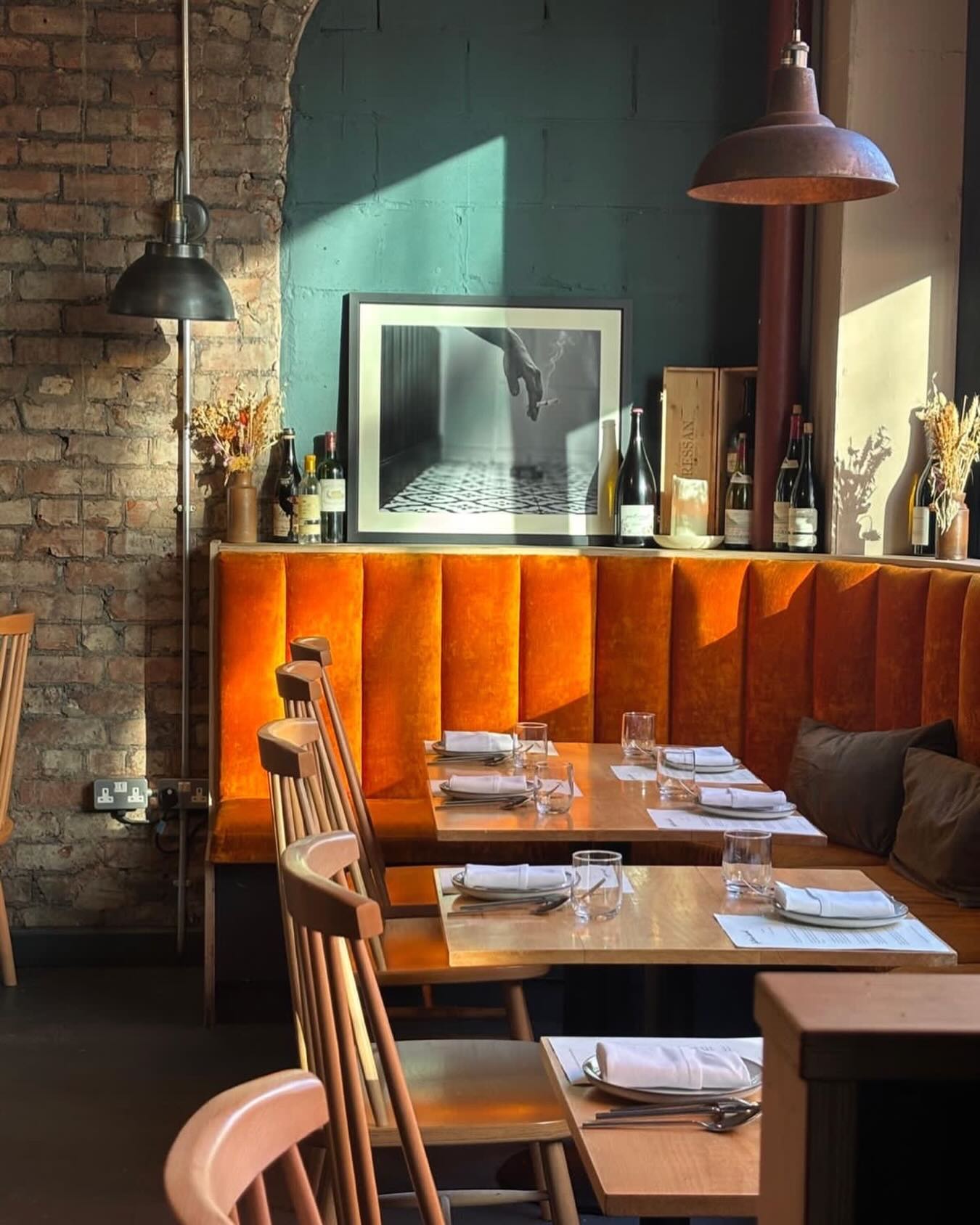
Launched by the team behind 3 Hands Deli – which operated from a site two units down – Another Hand was known and loved for focusing on sharing plates made with produce from local ethical growers.
And it seemed to be going from strength to strength, but sadly, the restaurant took to social media yesterday to announce its decision to close ‘with immediate effect’.
Another Hand said in its statement on Instagram: “With heavy hearts we are sad to announce that after five years Another Hand will be closing its doors with immediate effect.
“Unfortunately, as most of us know, the current economic climate for the hospitality sector is facing steep challenges, sadly a familiar story. And after five years of operating within this increasingly challenging environment, we feel it’s time for us to step away.
“This isn’t a decision we’ve taken lightly, but it feels like the right time to bring this chapter to an end.
“We’re incredibly proud of what we’ve built here. From the people who have worked alongside us, to the producers and suppliers who have supported us; and most importantly, everyone who has come through the door and eaten with us…. thank you.

 Gemma Bradley -
16th December 2020
Gemma Bradley -
16th December 2020