A new five-minute ‘super jab’ that helps to treat 15 different types of cancer is being rolled out across the country.
The NHS is the first in Europe to offer the new injection.
The health service is rolling out an injectable form of immunotherapy, called nivolumab, which means patients can receive their fortnightly or monthly treatment within just five minutes, instead of up to an hour via an IV drip.
The new jab can be used to treat 15 cancer types, including skin cancer, bladder, and oesophagus, and it’s estimated around 1,200 patients in England per month could benefit.
Following the approval from the UK’s medicines regulator, the Medicines and Healthcare products Regulatory Agency (MHRA), it’s said that the roll-out will save more than a year’s worth of treatment time for patients and NHS teams annually, and enable patients to spend less time in hospital while freeing up staff capacity to deliver more appointments and treatments.
ADVERTISEMENT
The NHS is introducing a new five-minute injection for 15 types of cancer, including skin, bladder and oesophageal.
NHS staff administering the jab could save around 1,000 hours of treatment time for patients and clinicians every month.
In clinical trials, patients were found to be ‘highly satisfied’ with the under-the-skin injection, which takes up to five minutes maximum to administer, and said they much preferred it to the IV form of the drug which takes 30 to 60 minutes every two weeks or four weeks, depending on the cancer type.
Around two in five patients who currently receive IV nivolumab – which is one of the most widely used cancer treatments – should be eligible for the new jab, the NHS has confirmed.
ADVERTISEMENT
On top of this, most eligible new patients are also expected to begin on the injectable form of nivolumab, rather than the IV.
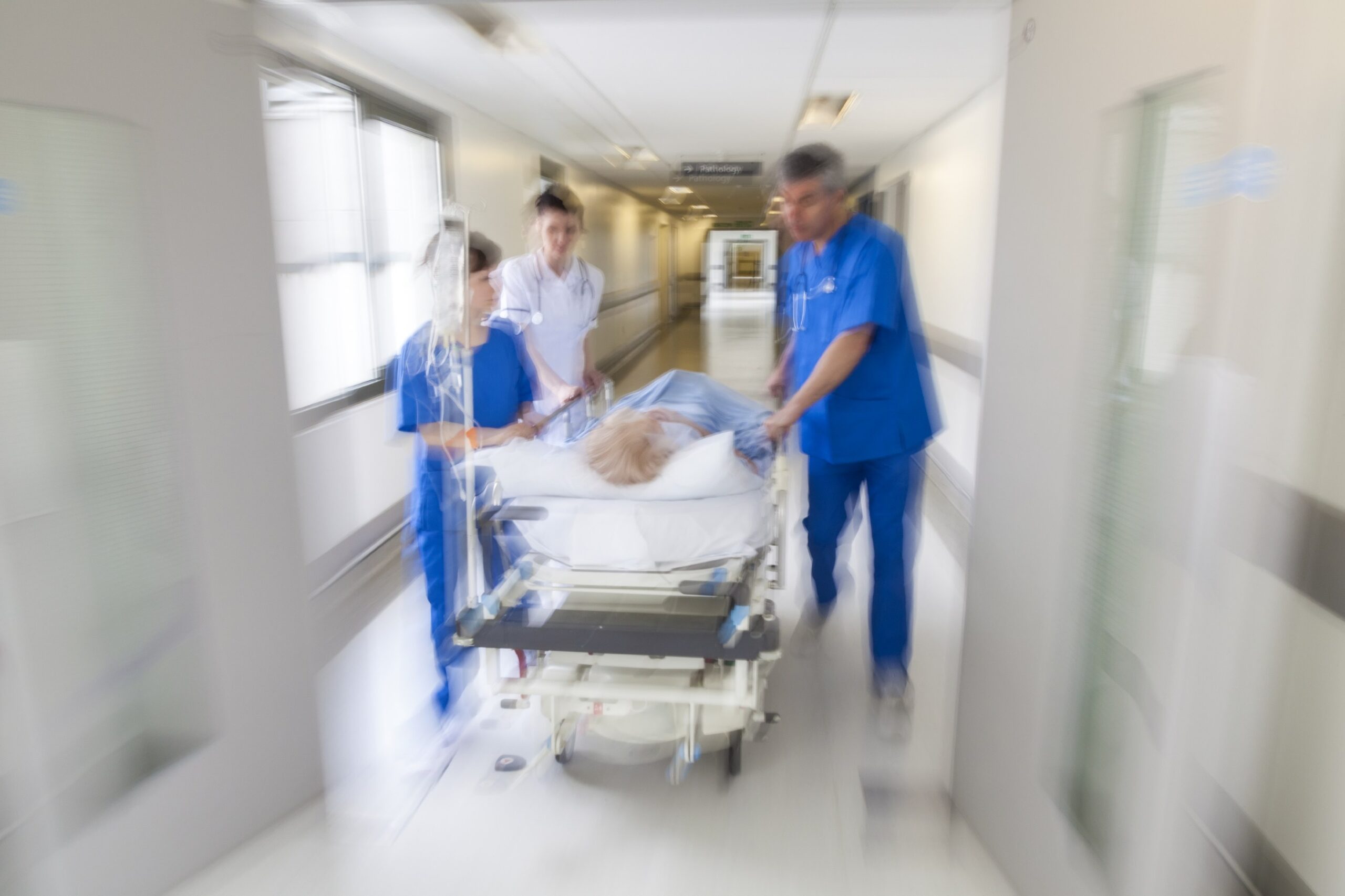
The NHS is rolling out five-minute ‘super jab’ to treat 15 different types of cancer / Credit: Stephen Andrews (via Unsplash)
Going forward, NHS cancer services will now be preparing to treat the first patients with the new treatment from next month, which is when supplies of the product are received in the UK, as this will help with the capacity demands in cancer day units, where the drug is currently administered.
“Immunotherapy has already been a huge step forward for many NHS patients with cancer, and being able to offer it as an injection in minutes means we can make the process far more convenient,” commented Professor Peter Johnson, who is NHS England’s National Clinical Director for Cancer.
ADVERTISEMENT
“This treatment is used for 15 different types of the disease, so it will free up thousands of valuable clinicians’ time every year, allowing teams to treat even more patients and helping hospital capacity.
“And this is just the latest development in the NHS’s ongoing commitment to provide patients with the latest cancer therapies and treatment options that truly transform lives”.
Featured Image – Gustavo Fring (via Unsplash)
News
Manchester Airport issues update for anyone flying today after hundreds of cancellations yesterday
Emily Sergeant
Manchester Airport has issued an update for anyone catching a flight today after hundreds of cancellations yesterday.
In case you hadn’t heard, hundreds of flights at several major UK airports – including Manchester Airport – were disrupted by a technical fault at air traffic control provider National Air Traffic Services (NATS) yesterday (8 September 2026), with the incident grounding planes and resulting in numerous cancellations.
According to Flightradar24, more than 1,000 flights were cancelled nationwide, and many passengers were told to expect disruption for the rest of the day.
One of the worst-affected airlines was said to be Ryanair, with around 65,000 passengers affected by the cancellations and delays.
Manchester Airport issued its first statement addressing the matter at 3:15pm yesterday, stating: “We are aware of an issue affecting NATS’ air traffic control service at UK airports, which may result in delays to some departing flights from Manchester Airport today.
“Passengers due to travel are advised to check the latest status of their flight with their airline. We will continue to monitor the situation and share further updates as more information becomes available.”
Now, although the issue has been resolved, Manchester Airport has issued further statements informing anyone travelling today what they can expect.
The airport started off by saying that it is ‘operating as normal’ today, but that passengers are advised to ‘check with their airline for the latest information’.
“A full flight schedule is expected to operate [today] but the airport may be busier due to rescheduled flights,” it added.
Passengers were then thanked for their ‘patience and understanding’ over the past 24 hours.
Featured Image – Ivan Shimko (via Unsplash)
News
Hundreds of staff at four Greater Manchester hospitals to strike AGAIN next week
Emily Sergeant
Another round of strikes has been called at a handful of major Greater Manchester hospitals.
Amid ongoing disputes following the first set of strikes at the end of last month, it has now been announced that more than 350 Northern Care Alliance Foundation Trust (NCA) employees – including nurses, clinical support workers and housekeepers – who are members of the union UNISON will once again walk out for three days next week.
According to the union, the dispute centres on the NCA’s use of an outside agency called NHS Professionals (NHSP) to manage overtime.
When covering staff shortages, workers are entitled to time-and-a-half pay – however in some cases, staff earn less than they would on a normal shift, and some have even been missing out on more than £80 per shift, the union added.
Operating theatre staff were previously on picket lines in June, and although an option to resolve the row was initially tabled by NCA bosses, this has now fallen through.
Hundreds of staff at four of Greater Manchester’s hospitals are set to strike next week / Credit: Stephen Andrews (via Unsplash)
This means that staff at Salford Royal Hospital, Royal Oldham Hospital, Rochdale Infirmary, and Fairfield Hospital in Bury are walking out next week on Monday 14, Tuesday 15, and Thursday 17 September.
The union’s North West regional organiser, Kevin Dolan, said the trust had given ‘no indication’ that it’s willing to re-enter negotiations, adding that operating theatre services were ‘chronically under-staffed’ and staff were choosing to work extra shifts to cover shortages.
Ahead of the August strikes, the trust declared a critical incident to help it secure extra support and keep urgent surgery running, while also announcing that some procedures would have to be postponed.
Understandably, some disruption is expected at each of the hospitals on strike days.
But Gertie Nic Philib, who is the chief people and strategy officer at the Northern Care Alliance, said that the trust will do ‘everything we can to minimise the impact on patients’ and ‘maintain high standards of care and quality at all times.’
“We also have contingency plans in place for emergency situations,” they concluded.

 Emily Sergeant -
1st May 2025
Emily Sergeant -
1st May 2025