Two Manchester neighbourhoods have been chosen for a new UK-wide project aiming to put communities at the heart of plans to “restore nature”.
It’s widely-known that being close to greenspaces, and in and amongst nature, is not only for our physical health, but also for our mental wellbeing too.
But sadly, recent statistics published in the People’s Plan for Nature – which set out recommendations to reverse the country’s shocking declines in nature back in March – revealed that, despite three-quarters of Brits being worried about the state of nature, the UK is in the bottom 10% of countries globally for protecting it.
The People’s Plan for Nature notably called for greater investment in ways to help communities take action to protect and renew nature at a neighbourhood level.
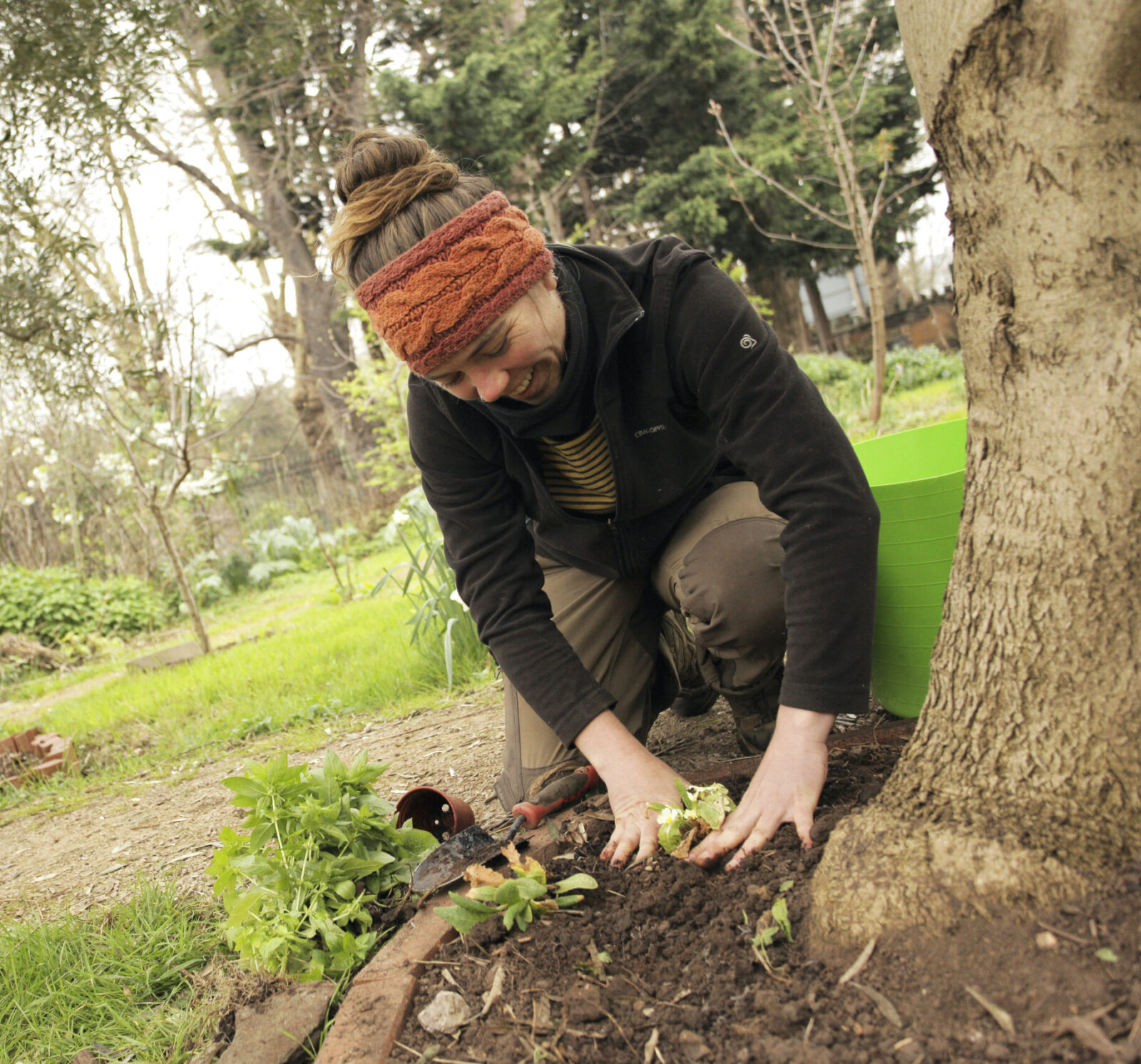
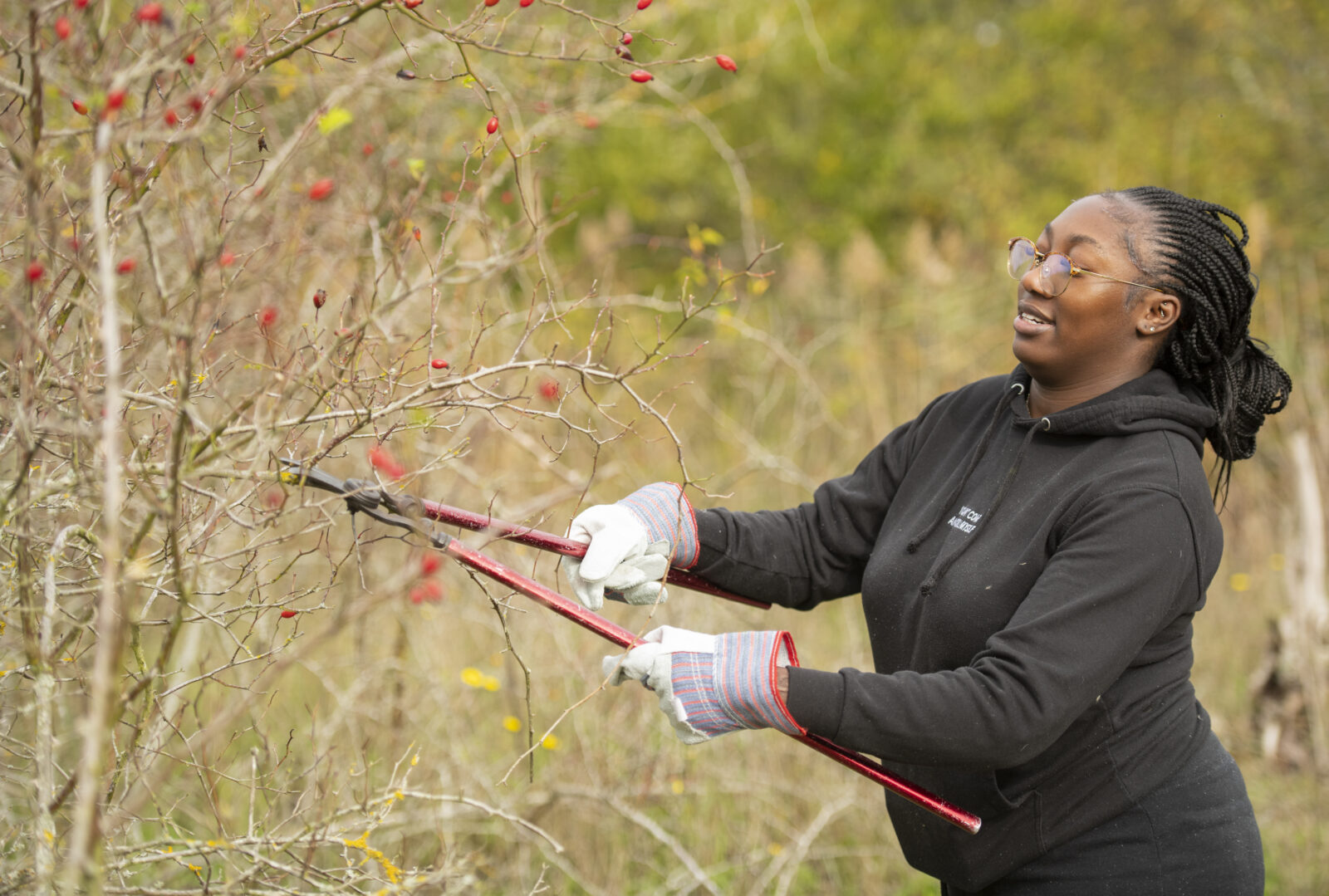
Two Manchester neighbourhoods chosen for new UK-wide project aiming to ‘restore nature’ / Credit: RSPB
The Nature Neighbourhoods initiative has been launched as a direct response to the concerns raised in the People’s Plan for Nature, and aims to help more people benefit from all the advantages nature can bring.
As part of the project, 18 community organisations will receive support from three of the UK’s largest nature charities, as well as funding from the National Lottery, and an extra helping hand from the Co-op, to create “people-powered plans for nature” in their local area.
ADVERTISEMENT
The three charities, the WWF, the RSPB, and the National Trust, have all come together as part of the Save Our Wild Isles campaign – which is an ongoing partnership to take action for nature’s recovery in the UK.
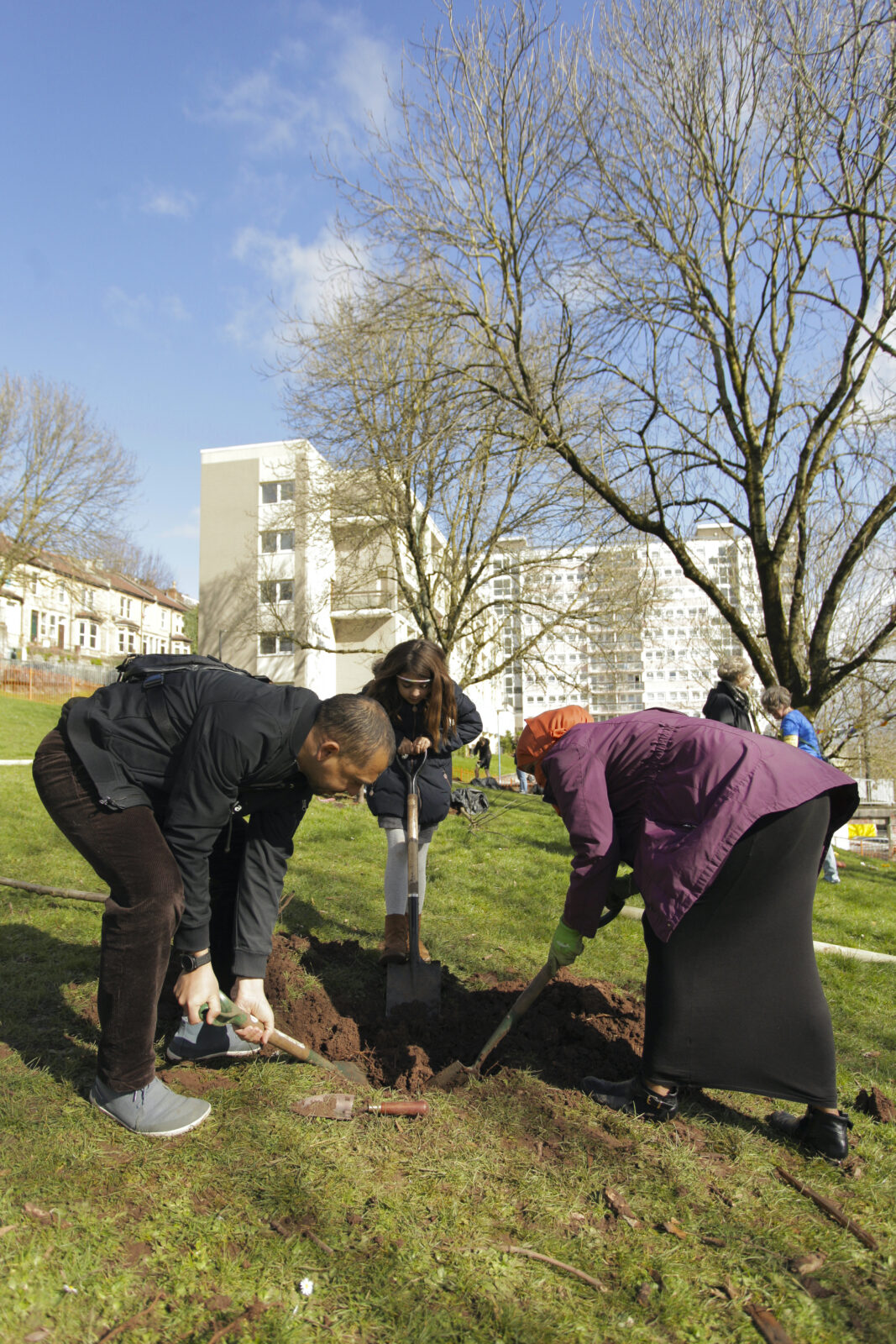
The new initiative wants to help more people benefit from all the advantages nature can bring / Credit: RSPB
Each Nature Neighbourhood will be created by bringing local communities and decision-makers together to ensure their specific plan centres on their community’s priorities for tackling the nature and climate crisis, and will particularly focus on working with urban communities, as while most people live in towns and cities, there’s often said to be “substantial barriers” to accessing nature in these areas, along with higher social and economic inequalities too.
The charities will work closely with local organisations – such as community centres, social enterprises, and volunteer food growing collectives.
ADVERTISEMENT
Here in Manchester, Newton Heath and Platt Fields have been chosen to take part in the project, and two established community organisations from the area, Sow The City and Manchester Urban Diggers, will benefit from funding and support.
Sow The City is a social enterprise that’s focussed on repurposing derelict urban sites into attractive, useful green space, and involving local residents in the process of doing so, while Manchester Urban Diggers is a volunteering organisation that focuses on food systems and growing fruit, vegetables, and herbs for local communities.
The Nature Neighbourhoods initiative has been funded by a £750,000 grant from The National Lottery Community Fund, and an additional £300,000 from Co-op.
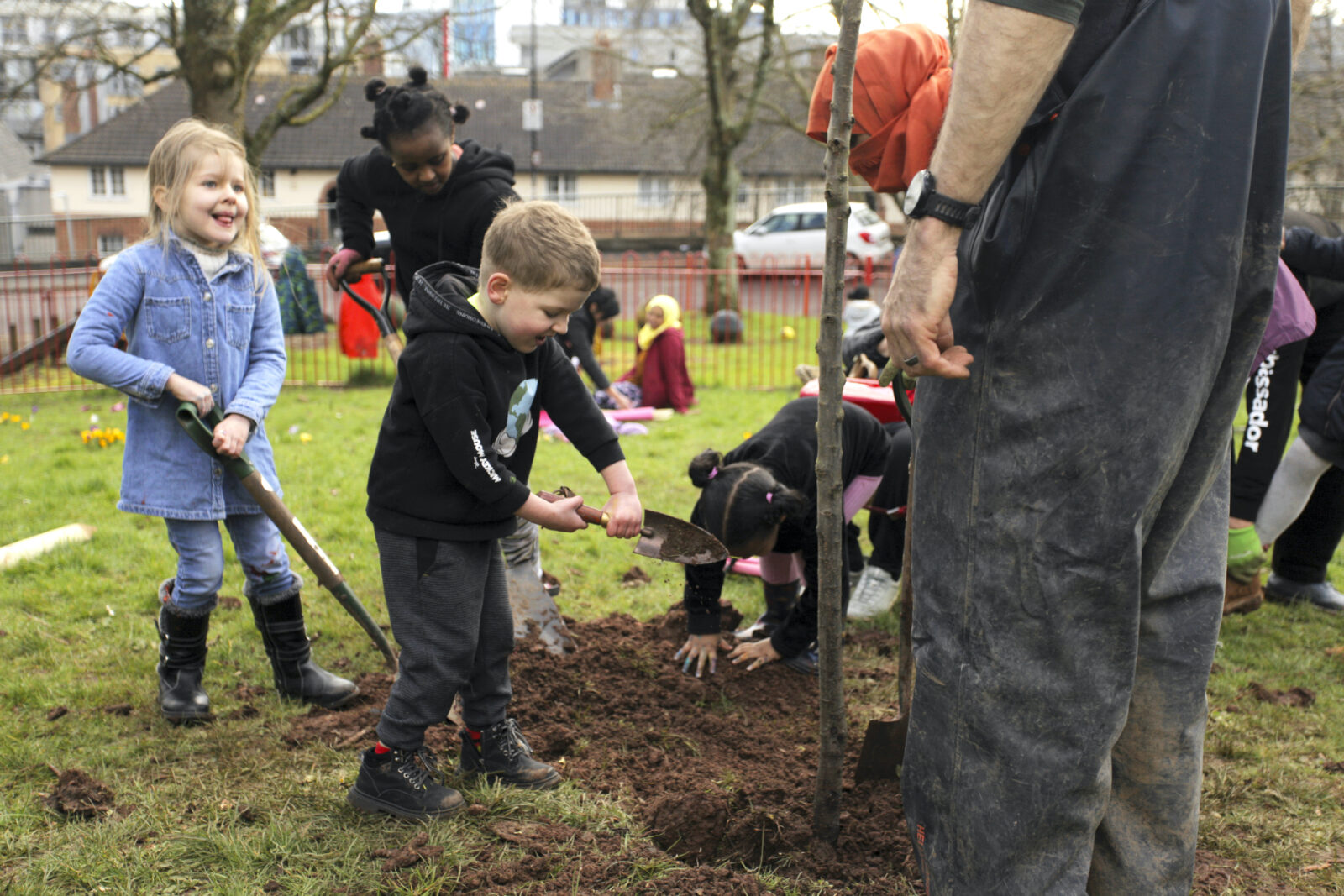
Sow The City and Manchester Urban Diggers have been are two of 18 UK organisations taking part / Credit: RSPB
Speaking on the launch of the new UK-wide project and why it’s so important, Rory Crawford – Project Manager for the Nature Neighbourhoods partnership – explained: “Urban nature doesn’t tend to be the focus of wildlife documentaries, but most of us live in urban areas, and they present the biggest opportunity for people to access and take action for nature on a day-to-day basis.
“Efforts to improve access and tackle the biodiversity and climate crises have not tended to focus on neighbourhoods experiencing high levels of deprivation.
“But the local community organisations involved in this project are at the forefront of addressing this, through community gardens, improving parks, connecting young people to nature, community inclusion, creating new green spaces and supporting safe, active travel.”
Featured Image – RSPB
News
Government announces all national museums in UK will remain FREE for everyone to visit
Emily Sergeant
Dozens of national museums across the UK are set to remain free for everyone to visit, it has been confirmed.
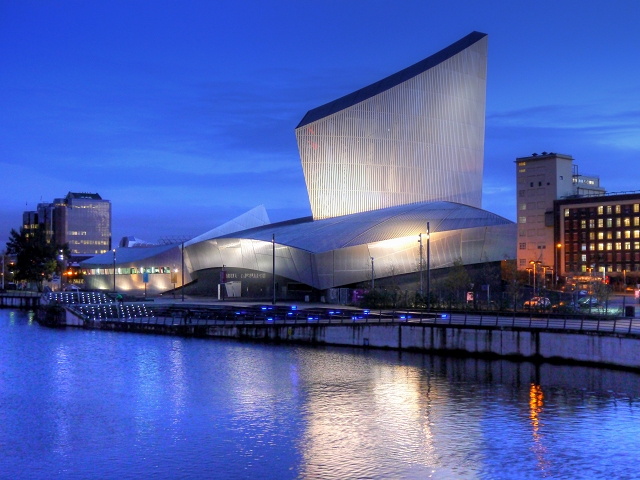
Funded by the Department for Culture, Media and Sport (DCMS), the 14 national museums of the UK are all located in England – including the Imperial War Museum North, and the Science and Industry Museum in our region – and free entry to was first introduced all the way back in 2001, with millions of visitors having benefitted since.
National museums are said to add more than £1 billion a year to the economy, and bring in visitors from all over the world.
In fact, seven of the UK’s 10 most visited museums are national museums, and 7.1 million people visited the Natural History Museum and 6.4 million visited the British Museum in 2025 alone.
The Government has announced that all national museums in the UK will remain free for everyone to visit / Credit: Science Museum Group | Wikimedia Commons
Earlier this year though, the Government committed to working with local leaders and the museum and tourism sectors to explore whether charging overseas visitors could help museums’ finances.
But following this, it’s now believed that charging could deter visitors, and that the impacts and benefits would ‘not be felt equally’ across the sector.
Instead, the free entry will be funded by the £1.5 billion Arts Everywhere Fund – which is providing £760 million for museums – while £600 million of infrastructure funding is supporting national museums and DCMS-sponsored cultural organisations.
The latter funding will be used to address critical maintenance and works to estates, and enable institutions to deliver on their commitments to share collections with visitors from around the world.
A further £160 million is coming from The Museum Estates and Development Fund to help museums tackle maintenance backlogs.
On top of that, the Government will work with Arts Council to develop a long-term strategic plan for the future of museums.
Featured Image – Science Museum Group
News
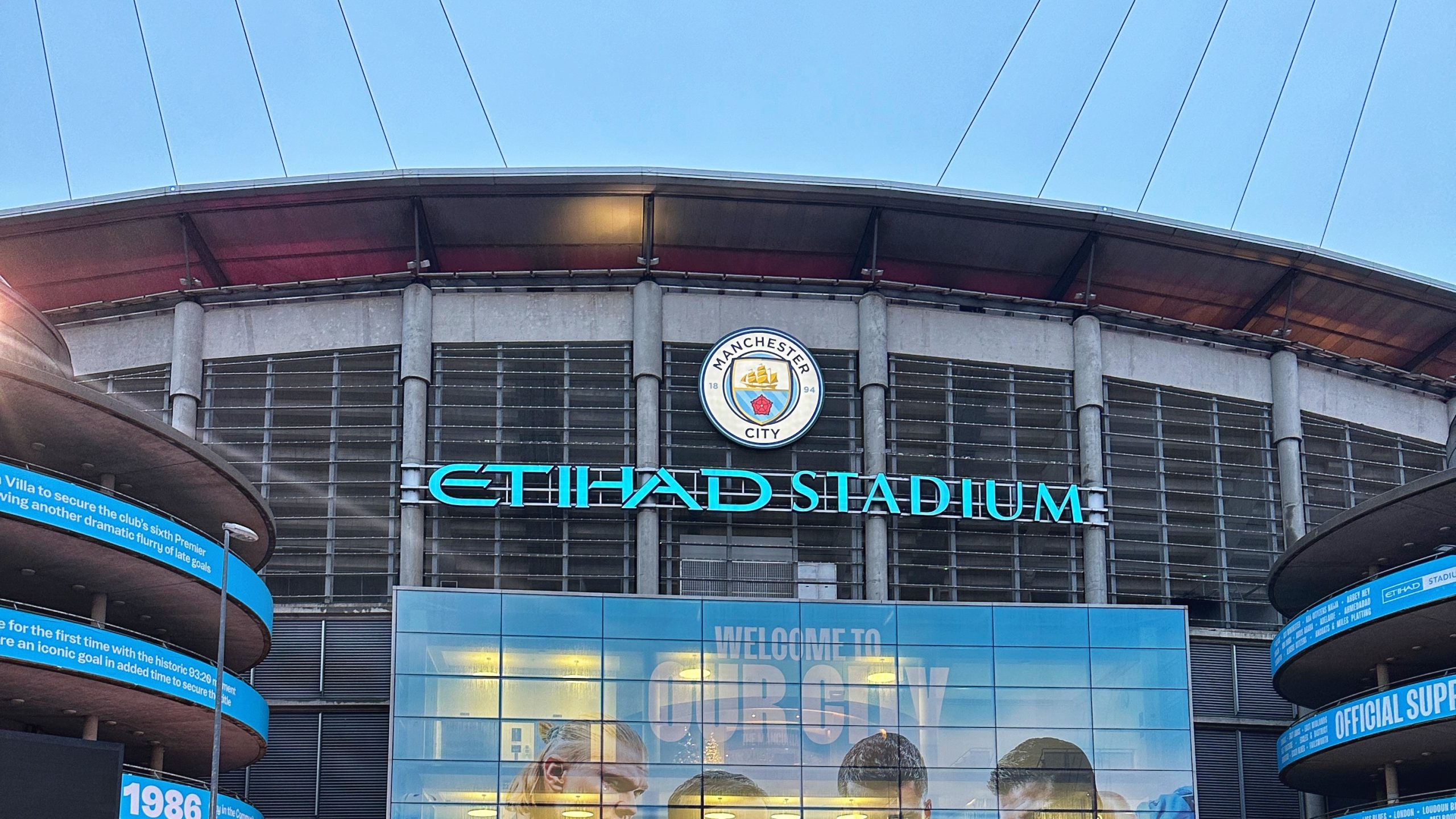
Man City release statement after being found guilty of all charges related to Premier League’s financial rules
Emily Sergeant
Manchester City has finally broken its silence after being found guilty all of its charges related to the Premier League’s financial rules.
Yesterday, the Premier League released a formal statement confirming that an independent Commission had found Manchester City guilty of all charges related to serious breaches of the Premier League’s financial rules over a nine-season period.
On top of that, the club was also found guilty of the majority of charges in relation to its failure to co-operate with the League’s investigation.
According to the Premier League, the independent Commission found that Manchester City had arranged so-called ‘sham’ commercial deals with a number of its sponsors during the nine-season period – which were part of a disguised funding scheme, with those sponsors only required to pay a portion of the relevant sponsorship fees.
The remainder was then funded by Abu Dhabi United Group Investment & Development Ltd (ADUG), which owned the club.
The Commission also concluded, as quoted by the Premier League, that the club had ‘made concerted efforts to stop and frustrate the Premier League investigation’.
Following this report being published yesterday, Manchester City has now finally released a statement of its own, breaking its silence on the topic for the first time since the news broke last Friday.
The statement reads in full: “Manchester City FC is both disappointed and surprised by the opinion of the Premier League Commission, that has been published today.
“The Club is innocent of the accusations made by the Premier League and a comprehensive body of irrefutable evidence exists in support of all of its positions, relating to this case. The Club will therefore be relentless, and where necessary proactive, in any and all appropriate regulatory and legal forums.
“The Premier League process remains ongoing, with significant elements uncompleted. Manchester City FC will now pursue the appeal avenues open to it, on the basis that the opinion contains clear material errors, of law, principle and fact, and is unsafe.
“The Club has diligently respected due process for eight years on the basis that the Premier League Board and Executive would behave as an independent, impartial and fair-minded regulator, free from partisan influence.
“The Club is obviously restricted in what it can say further until all future proceedings are complete.”

 Emily Sergeant -
18th October 2023
Emily Sergeant -
18th October 2023