A major road that connects Greater Manchester to South Yorkshire has been dubbed ‘the worst road in Britain’ in a TikTok which has since gone viral.
Professional tribute act Emma Wallbank (@miwallbank on TikTok) shared her recent experience of crossing Woodhead Pass while travelling to a gig last week, explaining the series of events which led to her losing out on ‘a night’s work’.
As she explains in the nearly three-minute-long rant, Emma was on the way to a gig in North Wales from Yorkshire when, unfortunately, she realised she had to cross Woodhead Pass – a.k.a. ‘where dreams go to die’ – in order to make it to her destination.
Already a lengthy route, poor timing also played a part as she just so happened to arrive when the road was undergoing a series of unannounced roadworks following a crash on Tuesday evening.
After Google Maps had already added a further two hours onto her journey, she came across a workman who informed her she’d be better off turning back around than waiting for the hold-up to clear. The absolute worst…
ADVERTISEMENT
While she admitted that she’d rather do a number of unpleasant, albeit hilarious things involving large animals than cross the pass, it’s not ideal when it’s basically your only route to get where you’re going.
Worse still, part of the Woodhead Pass’ notoriety is the lack of phone reception, and Emma had to mooch for 40 minutes before she could get any kind of signal to use her maps or even contact the event to let them know she wasn’t going to make it.
ADVERTISEMENT
As she puts it, the road is in ‘the middle of nowhere’ and your only chance of contacting another soul would be ‘by carrier pigeon’.
Despite being a bit of a favourite for truckers across the country, it would seem the road designated A628 is infamous among plenty of other drivers. One person noted how it regularly closes due to flooding and roadworks, and another said, ‘it simply shouldn’t be a road’.
One person wrote, “I once left work 3 hours early by the time I got through congestion and traffic started moving… it was my normal finish time…”, while another said they had waited more than six hours before completing the 61.48 km stretch.
ADVERTISEMENT
Our favourite comment and perhaps the best way to sum up most people’s experience of Woodhead Pass was the person who said, “l think Sam and Frodo would turn around if they had to go through Woodhead Pass”. Petition to rename it ‘Woodhead, you shall not Pass?’…
While it isn’t one of the top ten most dangerous or most problematic routes in the UK, it would seem plenty of people can empathise with her.
What do you reckon, is she right? Or is there somewhere else you think should be considered the worst road in Britain?
‘Groundbreaking’ new police team launches on Bee Network to make it one of the safest in the world
Emily Sergeant
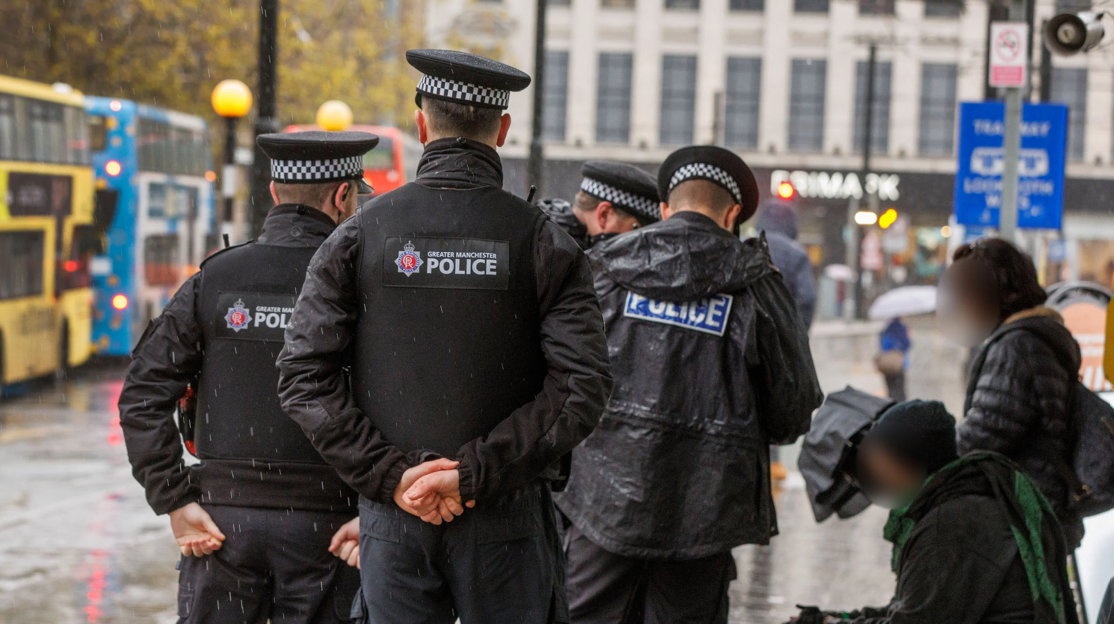
A ‘groundbreaking’ new policing model aimed at making the Bee Network one of the safest public transport networks in the world has launched.
Described as being ‘pioneering’, the first-of-its-kind approach – named the Transport Policing and Crime Command (TPACC) – will bring Greater Manchester Police (GMP), Transport for Greater Manchester (TfGM), and Greater Manchester Combined Authority (GMCA) even closer together to tackle crime, antisocial behaviour, and safety issues across the region’s transport network.
So, how will it work then? Well, according to TfGM, the command will ‘effectively establish’ the Bee Network as GMP’s eleventh policing district.
It will bring together up to 300 personnel, including new police officers, who are all involved in keeping the network safe and providing greater reassurance to passengers travelling across the region.
Efforts to keep passengers safe on buses, trams, active travel routes, and roads across Greater Manchester will be ‘strengthened’ through the new team – improving co-ordination in response to incidents, and helping to reassure communities.
A ‘groundbreaking’ new police team has launched on the Bee Network to make it one of the safest in the world / Credit: TfGM
The new team will also incorporate the existing Roads Policing Unit within GMP that includes specialist functions such as the Central Ticket Office, the Tactical Vehicle Intercept Unit, the motorbike unit, the Commercial Vehicle Unit, the Serious Collision Investigation Unit, and more.
Overall, the key focus of TPACC is to:
Increase public confidence on safety across the transport network
Reduce violence, antisocial behaviour and criminality across the transport network
Increase the number of users of the Bee Network across Greater Manchester
The launch of TPACC is said to represents ‘the next phase’ of Greater Manchester’s commitment to creating a ‘safer, more secure, and more welcoming’ transport network for everyone who lives, works, and travels across the region.
“I want a world-class Bee Network where everyone feels safe,” commented Greater Manchester Mayor, Bev Craig.
“Our new dedicated transport policing command will bring together more than 300 police and safety officers, with high-profile patrols across our roads and the Bee Network. It means a stronger presence in our communities and faster action when people need help.
“TPACC will also crack down on dangerous driving to reduce the number of deaths and serious injuries on our roads, which have devastating consequences for families and communities.”
Featured Image – TfGM
Travel & Tourism
First 14 Greater Manchester train stations set to join Bee Network this year revealed
Emily Sergeant
The first 14 train stations in Greater Manchester that are set to join Bee Network before the end of the year have been revealed.
In case you need bringing up to speed, back in December of last year, Andy Burnham – who was then Greater Manchester Mayor, at the time – announced a step-by-step plan for bringing the region’s rail lines into the Bee Network, all with the aim of creating the first truly integrated public transport system outside London.
Eight commuter rail lines will be brought onto the Bee Network in phases through to 2028, with the final additions expected by 2030, so passengers can enjoy all the benefits of joined up buses, trams, trains and active travel.
And now it’s been revealed which stations are set to be the first to join.
The first two lines – which will connect Manchester to Glossop and Stalybridge – will become part of the Bee Network from December 2026, with contactless ‘tap in, tap out’ ticketing also rolled out across 14 stations at the same time.
Here’s everything you need to know.
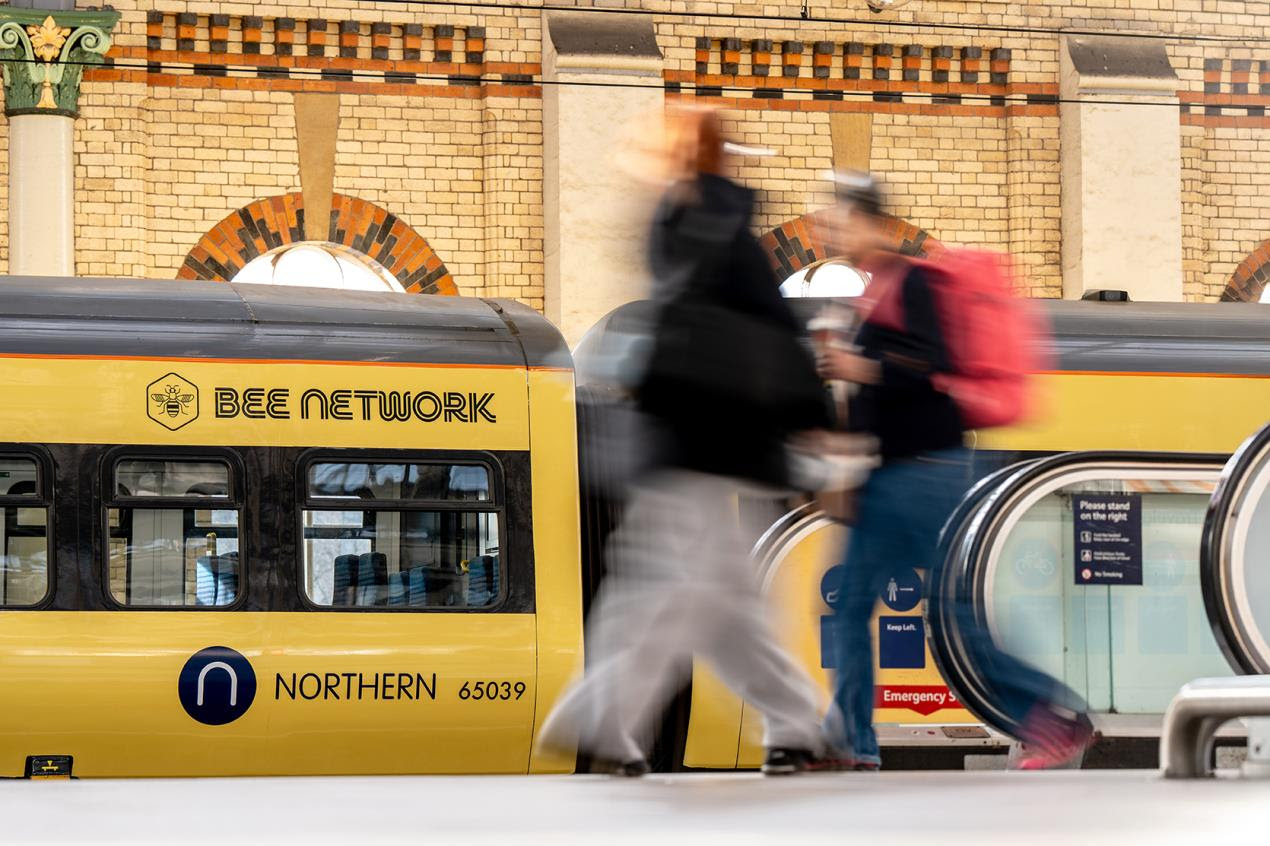
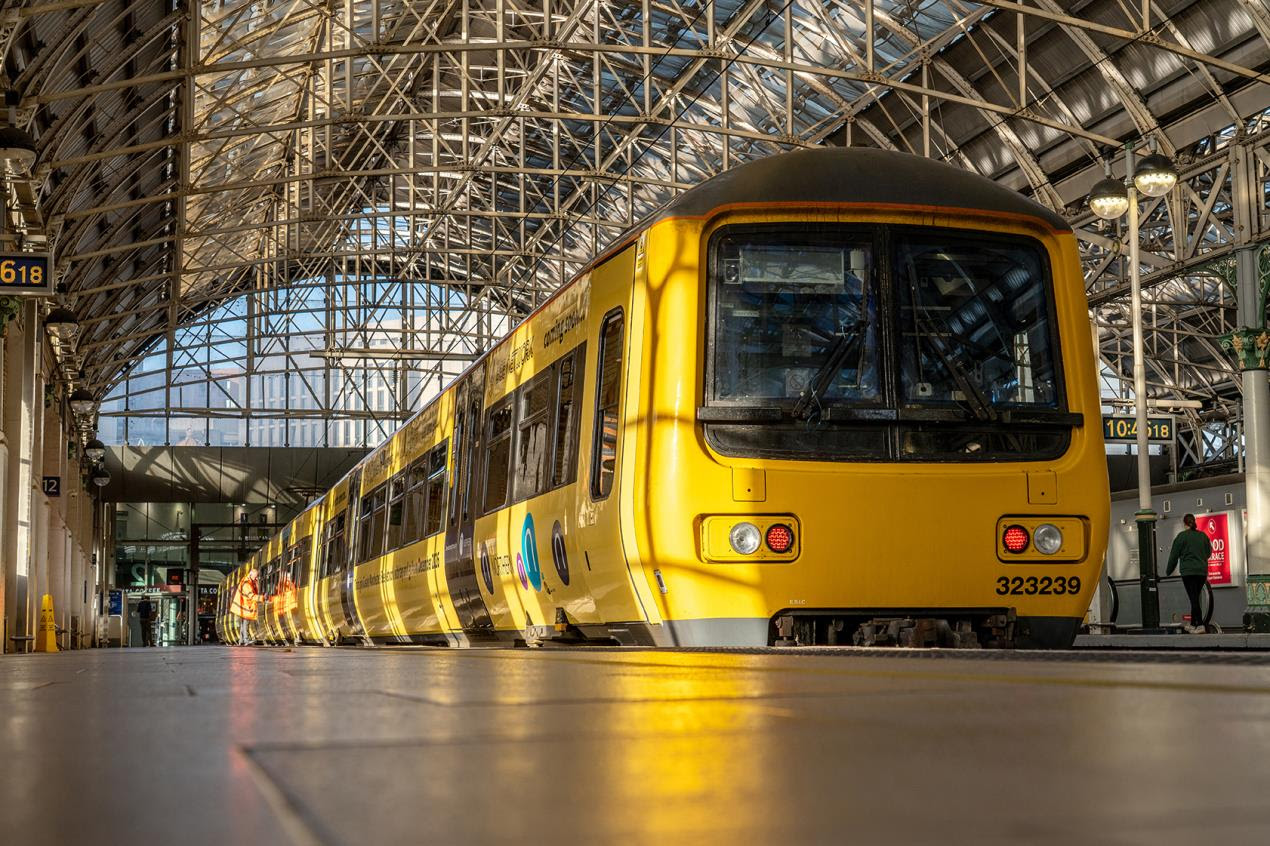
The first 14 Greater Manchester train stations set to join the Bee Network this year have been revealed / Credit: TfGM
The 14 Greater Manchester stations joining the Bee Network in December 2026
Ardwick
Ashburys
Broadbottom
Dinting
Fairfield
Flowery Field
Glossop
Godley
Gorton
Guide Bridge
Hadfield
Hattersley
Manchester Piccadilly
Newton for Hyde
The 15 stations planned to join the Bee Network in March 2027
Ashton-under-Lyne
Belle Vue
Bredbury
Brinnington
Hyde Central
Hyde North
Manchester Victoria
Marple
Reddish North
Romiley
Rose Hill Marple
Ryder Brow
Stalybridge
Strines
Woodley
The 43 stations planned to join the Bee Network by December 2028
Appley Bridge
Atherton
Bolton
Burnage
Castleton
Cheadle Hulme
Clifton
Daisy Hill
Davenport
Deansgate
East Didsbury
Eccles
Farnworth
Gathurst
Gatley
Hag Fold
Hazel Grove
Heald Green
Heaton Chapel
Hindley
Ince
Kearsley
Levenshulme
Manchester Airport
Manchester Oxford Road
Mauldeth Road
Middlewood
Mills Hill
Moorside
Moses Gate
Moston
Patricroft
Rochdale
Salford Central
Salford Crescent
Stockport
Swinton
Walkden
Westhoughton
Wigan North Western
Wigan Wallgate
Woodsmoor
The remaining 25 stations planned to join the Bee Network by 2030
Altrincham
Blackrod
Bramhall
Bromley Cross
Bryn
Chassen Road
Denton
Flixton
Glazebrook
Greenfield
Hale
Hall-i’-th’-Wood
Horwich Parkway
Humphrey Park
Irlam
Littleborough
Lostock Parkway
Mossley
Navigation Road
Orrell
Pemberton
Reddish South
Smithy Bridge
Trafford Park
Urmston
This means that contactless ‘tap and go’ payments with capped fares will be brought in across bus, tram and train services from 2030.
All timings are subject to ongoing work between Greater Manchester leaders and the Department for Transport (DfT), Network Rail, Shadow Great British Railways, and Train Operating Companies.

 Danny Jones -
20th September 2022