The past few months of lockdown have seen plenty of companies share their best-known recipes with the world for fans to have a crack at making at home and now it’s Ben & Jerry’s turn.
The ice cream brand has shared its famous cookie dough recipe and it’s surprisingly simple to make.
The Ben & Jerry’s Edible Cookie Dough – which is the same recipe that is used inside the best-selling ice cream flavour – can already be bought in pre-made snack bags in from supermarket shelves, but there’s just something far more satisfying about whipping a homemade batch up yourself, right?
The straight-forward recipe only requires seven ingredients and takes just 15 minutes to make.
In case you were wondering too, the cookie dough is completely safe to eat raw as the recipe doesn’t require any eggs and the flour is heat-treated to destroy any harmful contaminants like E. coli and Salmonella.
ADVERTISEMENT
Fancy giving it a try then? Here’s everything you need to know.
*Some ingredients may need converting into UK-compatible metric measurements*
ADVERTISEMENT
1 cup flour
8 tbsp room-temperature unsalted butter.
1 cup packed brown sugar
1 tsp vanilla extract
2 tbsp heavy cream
½ tsp kosher salt
½ cup chocolate chips
Method
1. Heat treat the flour to ensure it is safe to eat – do not skip this step as untreated flour can contain contaminants – Place the flour in a microwave-safe bowl, microwave on high in 30-second intervals, stirring in between, and use an instant-read thermometer to ensure that the flour reaches 165°F (73°C) throughout.
2. In a stand mixer or using a hand mixer, beat together the butter and sugar until light and fluffy.
3. Add the vanilla, cream, and salt. Mix to combine, add the heat-treated flour and mix to incorporate.
ADVERTISEMENT
4. Fold in the chocolate chips.
5. Serve and enjoy – Make sure you store in an airtight container in the refrigerator.
You can find more information via the Ben & Jerry’s website here.
Trending
Neighbourhood Weekender guide – lineup, set times and stage splits, how to get there and more
Danny Jones
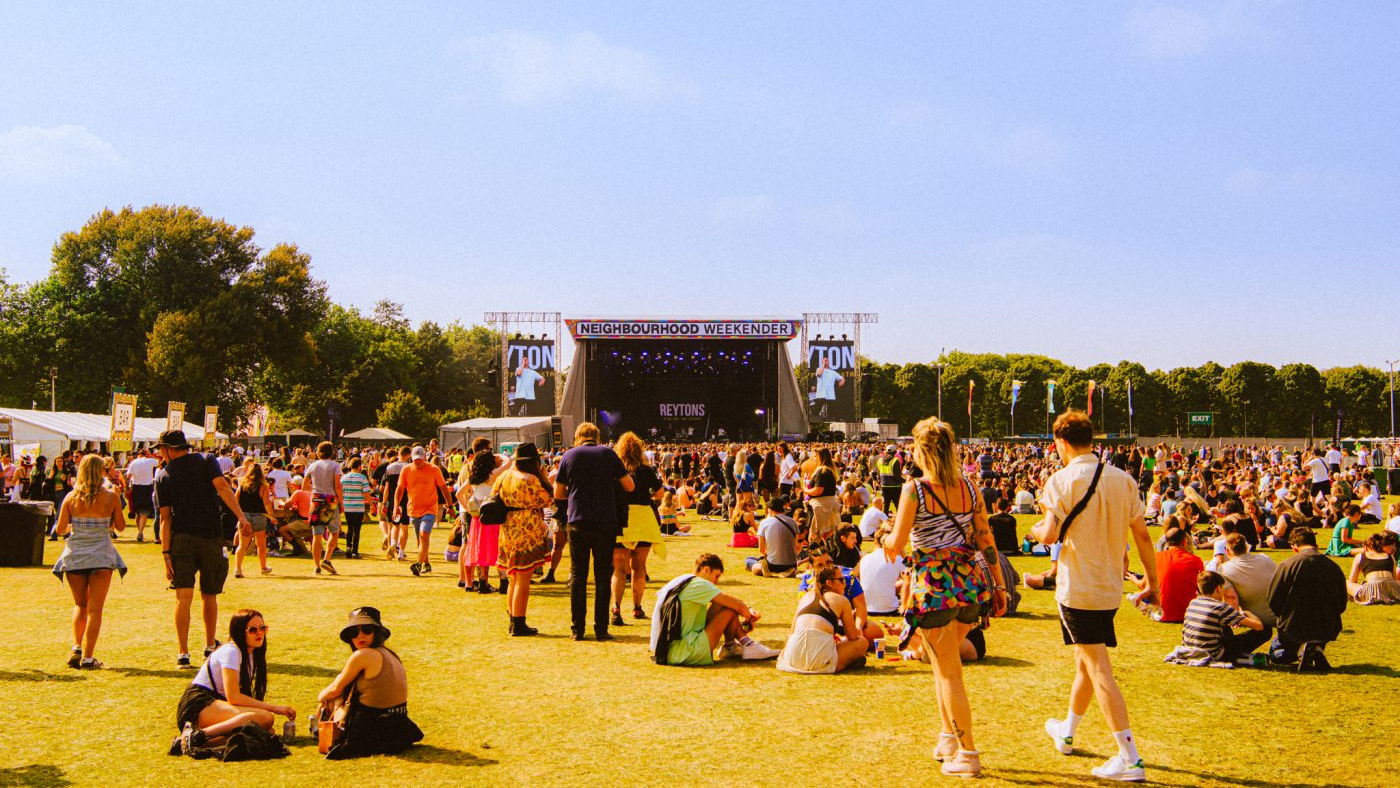
It’s that time again: Neighbourhood Weekender is BACK for 2026, and we cannot wait to descend back on Victoria Park for another two full days of singing till we’re hoarse and dancing our arses off.
We even love the walk from Warrington Central, down that long strip through the centre and over the gorgeous green space as the vibes start to pick up right from the off.
The years off without NBHD Weekender or just having to settle for the Manchester city centre version of the festival always remind us of how much we miss the big boy, so we intend to make the most of every single moment of the sixth edition.
And so should you – that’s why we’ve put together a comprehensive guide of all the key info, from ticketing and timings
Everything you need to know for NBHD Weekender festival 2026
Are there any tickets left?
For starters, if you’re looking pretty open plan-wise the long weekend and are looking for something fun last-minute, you’ll be glad to hear that there are plenty of ticket options still on offer for Neighbourhood Weekender festival 2026.
Whether it’s the full weekend wristband, just a single day pass, or even VIP packages, there’s a decent amount of allocation left on all fronts. For the first-time ever, there are also payment plans available.
More importantly, NBHD is also a wheelchair-friendly festival, with plenty of accessibility options available, too. Check out all ticket options and prices while you still can.
When does it start and end?
Taking place over this late May Bank Holiday Weekend (Saturday, 23 May – Sunday 24 May), the gates will open at 12 noon, and the festival curfew is 22:30pm.
Neighbourhood Weekender lineup, stage splits and set times for 2026
As we’re sure you’ll have already seen by now, we’ve got some big names topping the NBHD Weekender ’26 bill, not least of all Stopfordian indie headliners, Blossoms.
But they’re far from the only Northern name taking to the big stage at Victoria Park, either, as you’ll also be treated to the likes of the legendary Richard Ashcroft and fellow Oasis reunion tour supports Cast, as well as The K’s, Kaiser Chiefs, Jamie Webster, The Royston Club and lots more.
Sadly, Esme Emerson has dropped out due to unforeseen circumstances, but thankfully, local lad John Denton (one of our previous Artists of the Month) will be taking her place on the Viola Beach stage.
Apart from that, there are no other changes, so here’s your full breakdown of the lineup and stage times:
NBHD Victoria Park festival site map and facilities
Besides the stages, toilets, water stations and various food and drink traders located around the roughly 30-acre site, there are plenty of other fun and useful additions that are worth knowing about.
As well as a new cloakroom service run by partners GoHangers – you can see the full bag (basically no bigger than A4) and cloak policy HERE – there are also accessible viewing platforms as alluded to above, along with premium bars by the likes of Brothers Ciders and Tia Maria.
There’s even the ‘corner shop rave’ area taking place over in the southwest corner of the park. NBHD Weekender is also a completely cashless festival, so card machines will be available at all vendors.
You can see the full NBHD Weekender festival map down below.
*It’s worth reminding that there’s no re-entry – once you’re in for the day, you should have all you need.
Travel advice – how to get to NBHD Weekender in Warrington
Now, we would always encourage festival-goers to travel as sustainably as possible, and fortunately, there are plenty of public transport options to get you there and back across the weekend.
By train
Warrington has two train stations – Warrington Bank Quay (BQ)* and Warrington Central, making it easily accessible from most locations. Timetables are obviously always subject to change, but here are some example routes:
Manchester to Warrington Central – 20 minutes
Liverpool to Warrington Central – 22 minutes
Preston to Warrington Bank Quay – 22 minutes
Crewe to Warrington Bank Quay – 17 minutes
Chester to Warrington Bank Quay – 26 minutes
Lancaster to Warrington Bank Quay – 41 minutes
Stockport to Warrington Central – 31 minutes
St. Helens to Warrington Bank Quay – 16 minutes
Widnes to Warrington Central – 7 minutes
Leeds to Warrington Central – 1 hour 20 minutes
*Please note, however, there are some Northern Rail engineering works planned over the weekend of the festival. While operators should be running smoothly throughout both local stations on the Saturday, Sunday, 24 May will see some amended services to and from Warrington BQ:
ADVERTISEMENT
No Northern trains are operating (this is the current timetable)
Transport for Wales services running as normal.
Avanti West Coast operating with rail replacement buses between Crewe and Wigan
By coach/bus
Big Green Coach are also returning as NBHD’s official travel partner – Parklife attendees will be more than familiar – providing hassle-free coach returns directly to the Neighbourhood Weekender’s official coach park to multiple locations; pick-up spots include:
Ashton Under Lyne | Birkenhead | Birmingham (Jenners Road) | Blackburn | Bolton | Bradford | Bury | Castleford | Chester | Crewe | Doncaster (Interchange) | Huddersfield | Hull | Leeds | Leicester | Liverpool | Manchester (City Centre) | Manchester (Trafford Centre) | Manchester South (Sharston) | Preston | Sheffield | Stockport | Stoke-on-trent | Wakefield | York.
If you’re heading back to Manchester city centre or Liverpool, the company is offering one-way returns on both days to make getting home after the event as easy as possible. Secure your seat from £30 now.
Meanwhile, the Number 11 and 11a bus services stop at Knutsford Road just outside Victoria Park; it takes 5 minutes to walk there from Warrington Bus Interchange located at Warrington Central train station. Pro-tip: just follow the big queue of punters in their festival-wear finery…
By car – drop-off and parking guidance
ADVERTISEMENT
For those arriving by car, the designated pick-up and drop-off zone is located at Sir Thomas Boteler School. Please follow the festival signage to Sir Thomas Boteler School and note there are no residential or other roads or areas to wait, drop off or park.
As for parking, the official car park operated by the Neighbourhood festival organisers is also located at Sir Thomas Boteler (again, please follow festival signage), which is approximately a 15-minute walk to the festival site. However, spaces will be very limited – you can reserve from a limited number of spots HERE.
By foot
Finally, if you’re content getting your steps in, as mentioned, the park is a short walk from Warrington Town Centre, and just a 20-minute walk from Warrington BQ, Warrington Central train station or the Golden Square Shopping Centre. Easy does it.
That should just about do you for all the key details and important info you need to know ahead of a brilliant bank holiday weekender with NBHD taking up the bulk of the vibes.
ADVERTISEMENT
How nice that we’re getting pure sunshine and warm temperatures, too, eh? What a treat.
We hope you all have a wonderful time. Make sure to stay hydrated, drink responsibly, abide by the festival site rules and be mindful of the heat; there’s plenty of cover and shade in the large outdoor area to make the most of – oh, and bucket hats at the ready, of course.
Keep an eye out for our Audio North team both online and in person, and we’ll see you there for more sing-alongs!
Featured Images — The Manc Group/Publicity pictures (supplied via SJM Concerts)
Trending
Beloved Greater Manchester-born presenter Judith Chalmers has died at 90
Danny Jones
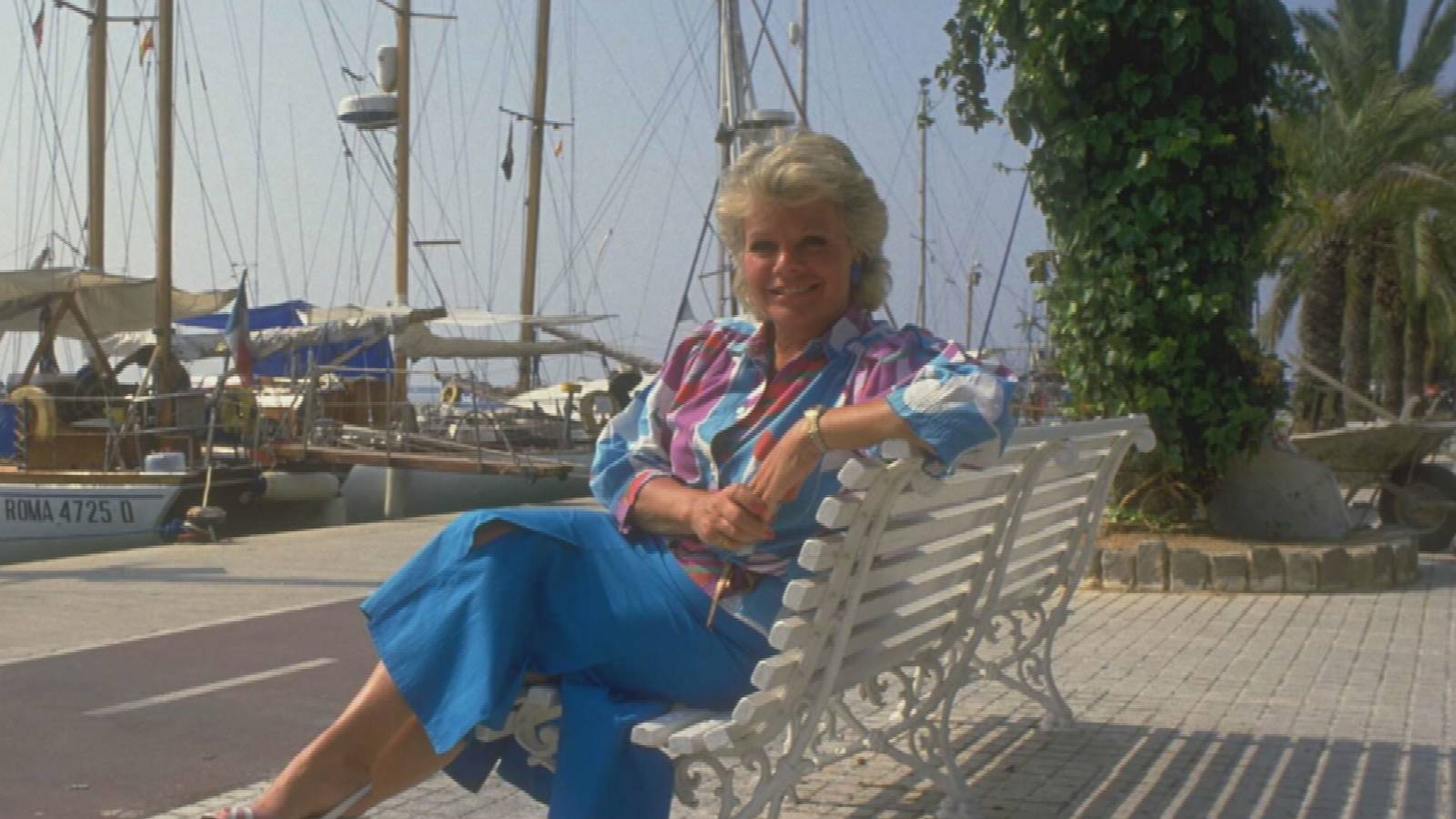
Well-known Greater Manchester native and beloved British TV presenter Judith Chalmers has sadly died at 90 years old.
The former Wish You Were Here…? host was known not only for the once smash-hit travel programme, which ran for the best part of three decades, but she also enjoyed a spot on BBC Radio 2, along with the Strictly forerunner, Come Dancing, among many other guest appearances over the decades.
Judith Rosemary Locke Chalmers OBE, to use her full title, was born in Stockport back in 1935 and is said to have passed away peacefully at home on Thursday evening, 21 May.
The tributes to the broadcasting legend are continuing to pour in online.
A familiar Northern face, Chalmers presented the primetime show from its inception in 1974 until 2003, and was made an OBE for her services to broadcasting in 1994.
The proud Gatley girl enjoyed a long and successful stint on screen before having to step away from her various duties in her later years due to declining health.
She leaves behind her husband, Neil Durden-Smith – himself a former sports commentator – along with two children, including Mark Durden-Smith, who has also gone on to a career in presenting
Unfortunately, Chalmers was diagnosed with Alzheimer’s a few years ago, meaning she gradually withdrew from the public eye even further; those around her have done plenty of important fundraising for the cause ever since.
Stopfordians have also been honouring the local lass’ legacy and much-admired reputation.
I met legendary broadcaster Judith Chalmers, who has died aged 90, when as a boy I won a competition to be VIP guest at a celebrity cricket match played at @StockportCounty Judith, who hosted the event, was happy to be home as she was raised in Gatley #SCFC#StockportCountypic.twitter.com/58pcm39y3V
In a statement issued to ITV (once her long-time employers), her family said: “After living an extraordinary life that involved over 60 years in broadcasting and countless adventures all over the globe, Judy sadly passed away last night, surrounded by the family she loved so much after suffering with Alzheimer’s for some years.
“We will miss her greatly, but she leaves behind a giant suitcase of the happiest of memories.”
Our thoughts are with her family, friends and long-established fan base up and down the country at this difficult time.

 Emily Sergeant -
23rd July 2020
Emily Sergeant -
23rd July 2020