Picking a name for your newborn bundle of joy is no easy task, but new research has revealed that some monikers are seemingly falling off the grid.
Every year in August, the Office for National Statistics (ONS) releases the official list of the most popular baby names from the year prior, but ahead of that, new analysis by My Nametags has revealed the top 50 “most endangered” names that could soon fade into the mist.
The research has also highlighted some of the names which are taking centre stage.
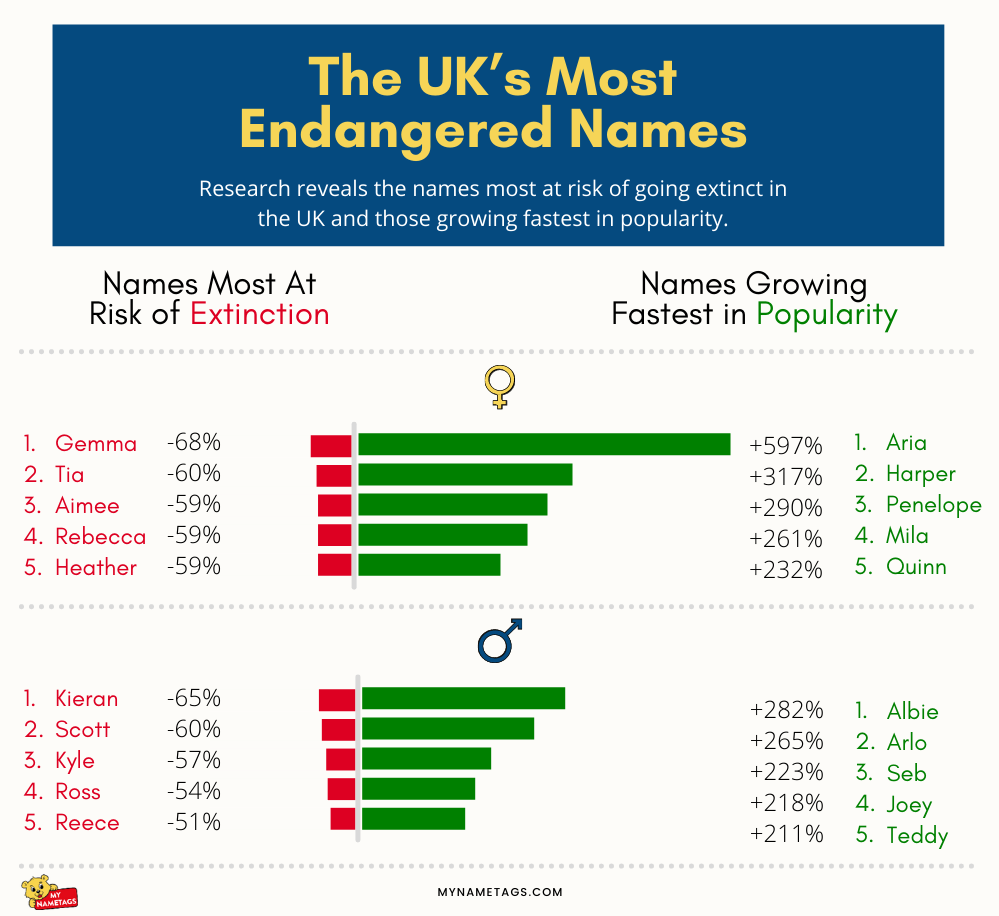
The leading name tag company – which looked at around 1.5 million names over a ten-year period – found that the names Gemma and Kieran were most at risk of dying out, having declined by more than 65% over the last decade.
Apparently, only 36 babies were given the name Gemma in 2020, and none so far this year.
ADVERTISEMENT
The names Rebecca (-59%), Lauren (-57%), Matthew (-43%) and Ryan (-43%) are also said to be in a severe decline.
My Nametags
So, what have those names been replaced with, then?
ADVERTISEMENT
Research shows that in recent years, parents have named their babies after popular TV characters or have taken inspiration from unusual and unique celebrity names, with My Nametags suggesting this is because we’re surrounded by all different types of popular culture.
For instance, the use of the name Aria (+597%) – thought to be inspired by characters from the popular TV shows Pretty Little Liars and Game of Thrones – has skyrocketed in recent years, with other names rising to the top including Harper (+317%), Mila (+261%), and Penny (+201%), which are inspired by the daughter of Victoria and David Beckham, actress Mila Kunis and Penny Hofstadter (the lead character in the long-running sitcom The Big Bang Theory).
Another trend on the up is the use of nicknames as given names, which has been increasing over the past few years.
ADVERTISEMENT
Wikimedia Commons
Monikers such as Albie (+282%), Bertie (+143%), Teddy (+211%), Belle (+95%), and Ronnie (+81%) all make the top 50 fastest growing names ahead of their traditional counterparts Albert, Theodore, Isabel, and Ronald.
My Nametags also revealed an increase in nostalgic, ‘old-fashioned’ names, with Mabel (+84%), Flora (+91%), Florence (+84%), Rupert (+205%), and Arthur (+104%) among titles that have experienced significant growth during the past 10 years and join the list of the top 50 fastest growing names.
You can read the lists in full via the My Nametags website here.
Featured Image – Unsplash
Trending
Greater Manchester shoppers can take part in a real-life supermarket sweep competition
Emily Sergeant
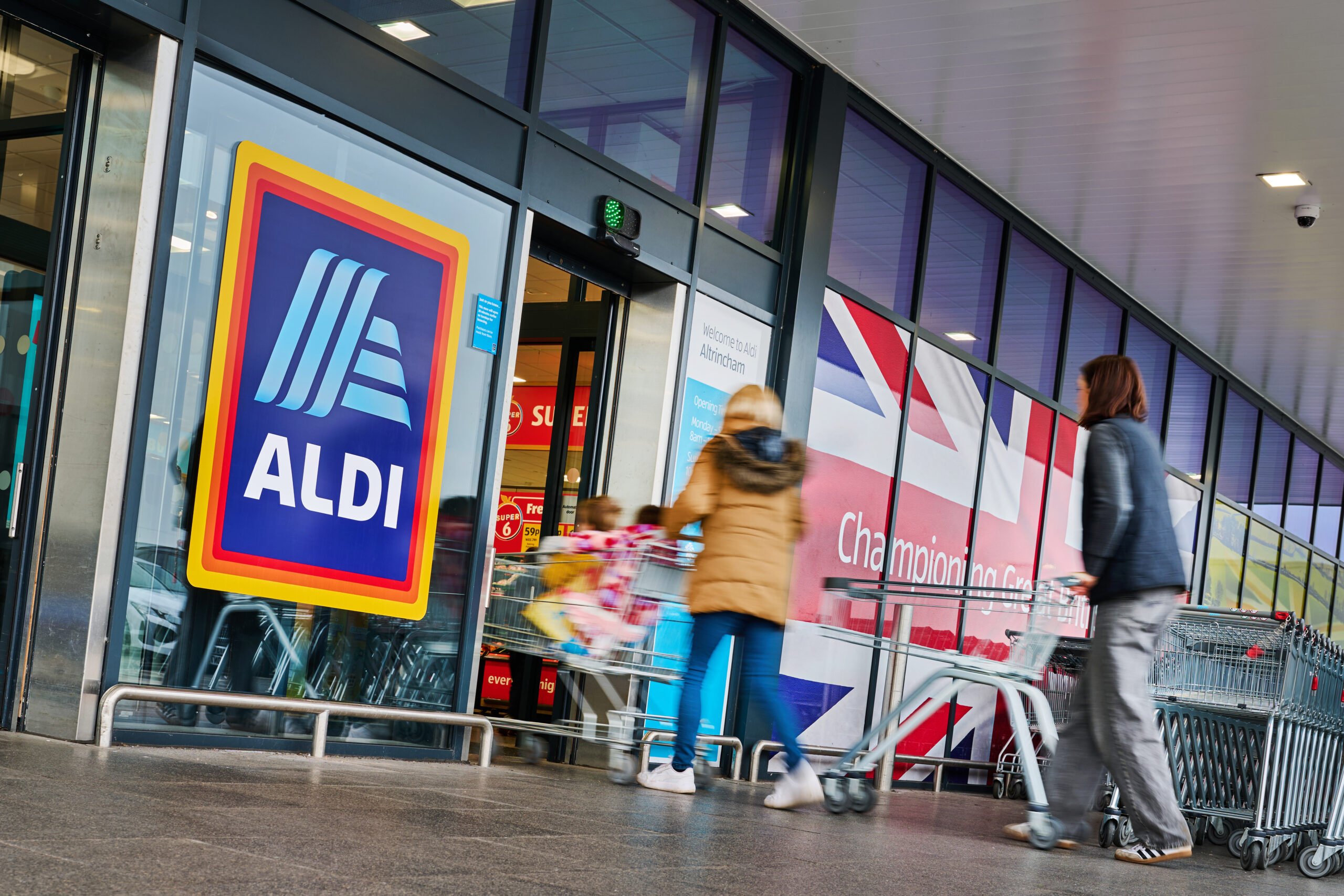
Aldi is giving Greater Manchester shoppers the chance to take part in a real-life supermarket sweep for charity.
Building on the success of Aldi Scotland’s long-running initiative – which has raised more than £60,000 for charity over the past decade – Aldi is bringing its successful ‘Supermarket Sweep’ fundraiser to England and Wales for the first time, and shoppers from across Greater Manchester will have the chance to take part for a brilliant cause.
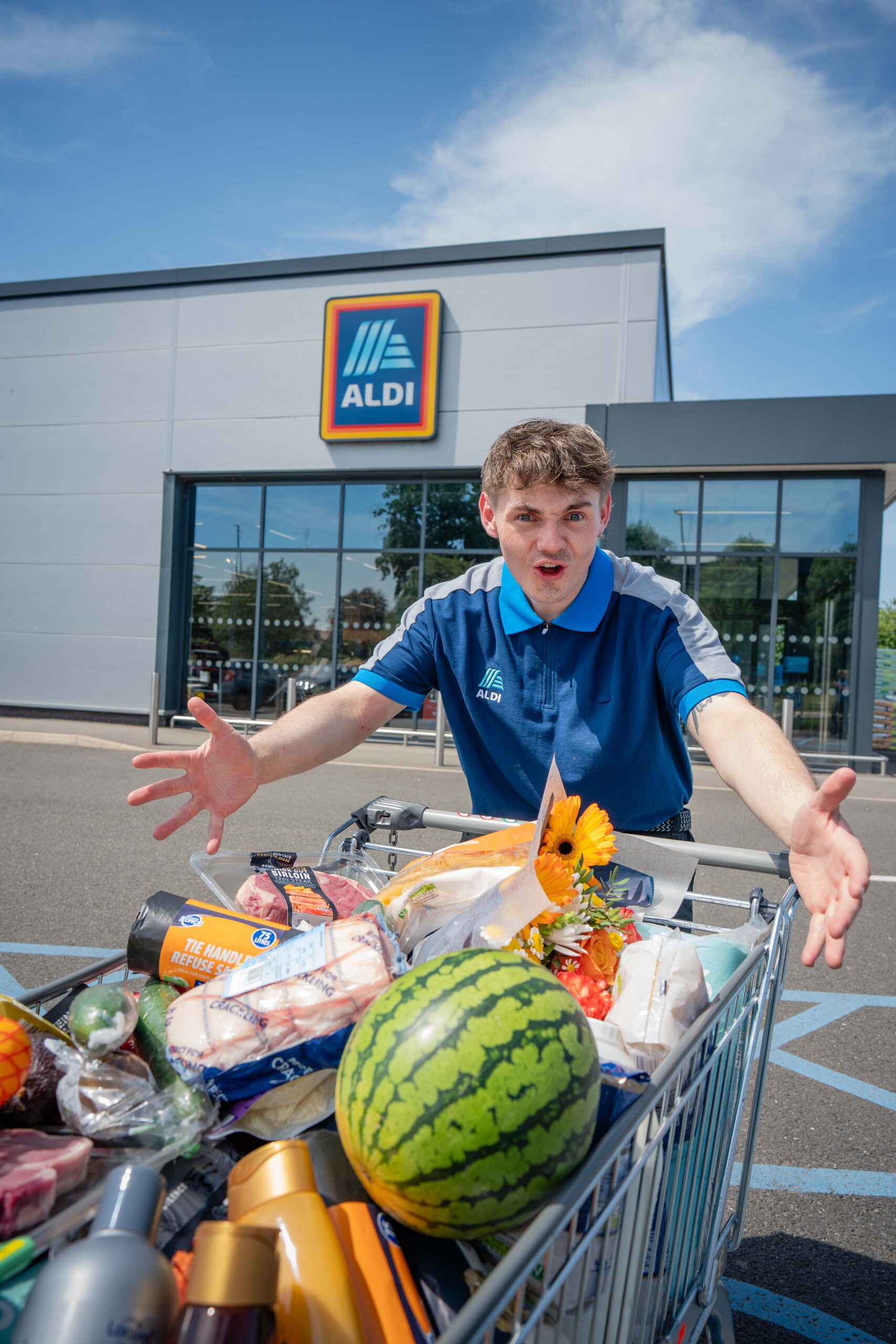
10 winners will be selected to take part in the challenge at their local Aldi store, racing against the clock to fill their trolley with Aldi products in just five minutes.
Once the dash is complete, Aldi will donate the full value of each winning trolley to Teenage Cancer Trust, helping to support young people with cancer across the UK.
Unfamiliar with Supermarket Sweep the TV show? This is how it works.
Shoppers can take part in a real-life supermarket sweep competition / Credit: Aldi
The game consists of three teams of two, each with a clock that starts with 60 seconds on it. The teams then attempt to add as much time as possible to their clock by answering questions and riddles posed by the host. The time they accumulate determines how long they have in the ‘Big Sweep’ round to run around a studio mock-up of a supermarket, collecting shopping items.
The team with the shopping trolley filled with items of the most value wins the chance to enter the final ‘Super Sweep’ prize round.
Speaking as entries to the unique competition open this week, Julie Ashfield, who is the Chief Commercial Officer at Aldi UK, said: “Our customers are always incredibly supportive of the causes we champion, and we’re pleased to be bringing this much-loved fundraising initiative to England and Wales for the first time.
“We can’t wait to give shoppers the opportunity to put their trolley-dashing skills to the test, while helping to raise vital funds for Teenage Cancer Trust. Every pound raised will help the charity continue providing specialist care and support to young people with cancer when they need it most.”
The competition is now open, with entries closing at 23:59 on Tuesday 4 August.
To enter, you’ll simply need to email [email protected] with your details for the chance to win, and you can find all the terms and conditions here.
Featured Image – Aldi
Trending
England given potential advantage against Norway after reports of illness in World Cup camp
Danny Jones
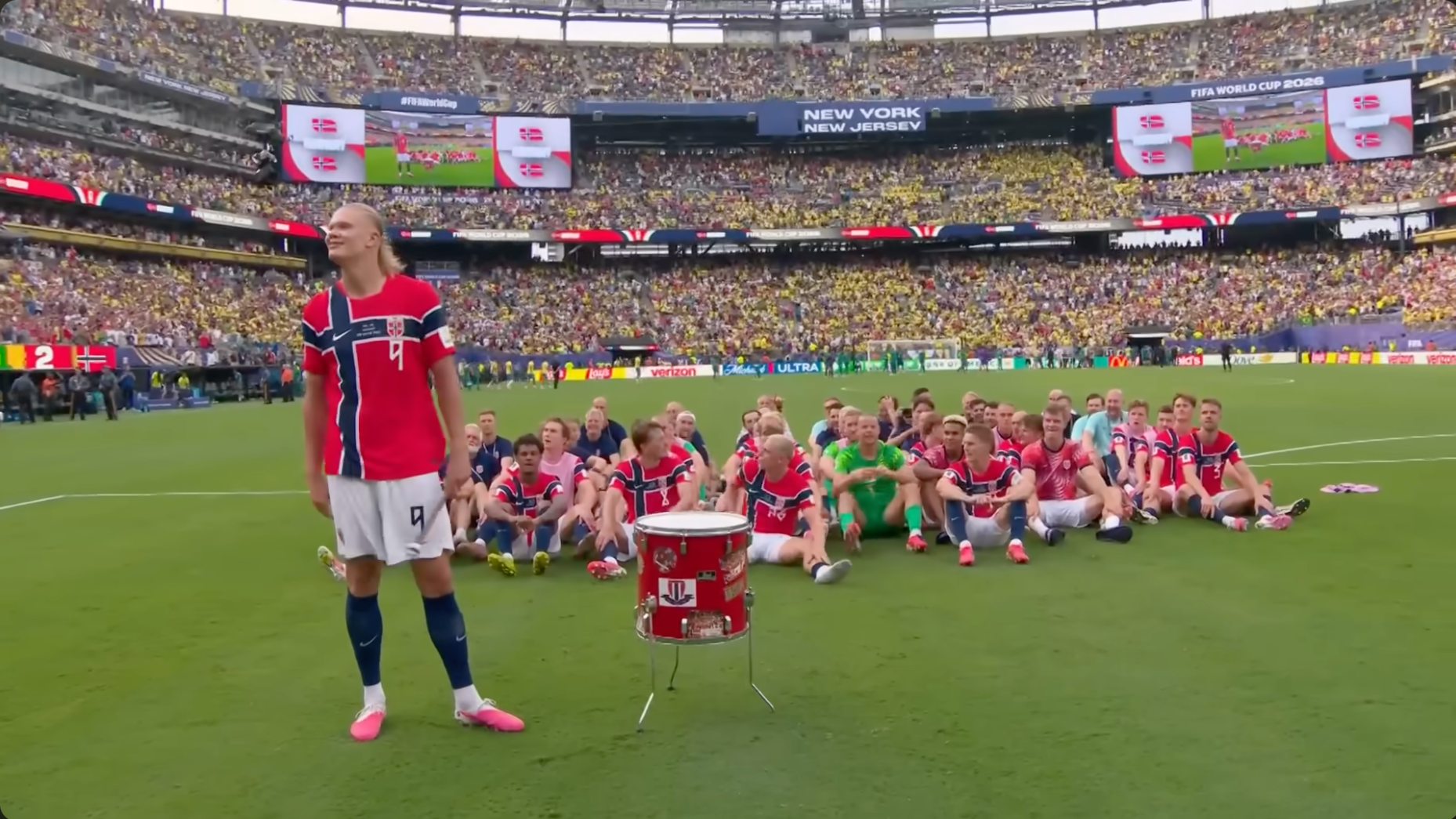
England may have just been given a potential advantage ahead of the 2026 World Cup quarter-final against Norway, as it’s said that multiple players have been feeling sick of late.
Now, we’d never wish illness upon anyone… BUT, you certainly won’t hear us complaining about this one.
Yes, according to head coach Ståle Solbakken, some of his teammates haven’t been at their best over the last few days, but he has assured supporters that everyone is recovering well.
Speaking to the media before the upcoming clash, the manager said: “We’ve really only had Jorgen [Strand Larsen of Crystal Palace] who has had a fever, but then there’s been a bit of coughing and rasping scattered throughout [the national squad].”
He’s also admitted the Three Lions will be a tough challenge.
However, the initially reported ‘sickness bug’ is now being played down, with Solbakken noting that with his wider travelling camp having to contend with temperatures, altitude, air conditioning, flights, “changing rooms and all that […] it would be strange if something or other didn’t crop up.”
So, while it may have been exaggerated to a degree, they’ve certainly not been 100%.
The Scandinavian outfit are based at a training complex in Greensboro, North Carolina for this year’s World Cup – their first in nearly three decades – and have had to fly all across the United States for their matches in Boston, New York and Dallas thus far.
Once again, though, even the team doctor has told Norwegian press that the claims have been blown out of proportion, citing “very little fuss considering that we have been close together for almost six weeks”, and insisting that “all players are healthy now”.
Even James Corden was quizzing the opposition on the claims ahead of the fixture:
When asked about the truth in the headlines by domestic news outlet Nettavisen, he even went on to add: “So great that they believe this. We are in control.”
So perhaps there is a bit of sensationalism and/or gamesmanship at work, but that won’t stop us from hoping for a second that there’s even a shred of weakness to be capitalised on.
It remains to be seen just what condition both teams are in after the respective round of 16 thrillers – especially Thomas Tuchel’s side, who had to do it the hard way with 10 men against Mexico in that exhausting first knockout tie – but we’ll take whatever glimmer of hope we can that luck is on our side.
And regardless, it’s given England fans online plenty of material to have some fun with ahead of what is no doubt set to be another very long and stressful night this weekend.

 Emily Sergeant -
18th May 2021
Emily Sergeant -
18th May 2021