A £30 million support package has been announced to help Manchester residents with the cost of living this winter.
Manchester City Council is set to spend the money on helping those facing hardship and poverty as the weather turns colder, and this includes £6.5 million awarded through the Government’s Household Support Fund to target support for those most in-need of help to pay for energy, water, food, and other essentials up to April 2025.
According to the Council, this will supplement the already-ongoing wider work to support residents at risk from the cost of living throughout the year.
Enhanced support for pensioners has also been announced this week.
Under the new scheme, pensioners who are not in receipt of pension credits – and therefore will not receive the winter fuel payment – but still need support over the winter, will now be eligible for payments of £150, or £200 if they are aged 80 or over.
ADVERTISEMENT
Struggling to afford essentials, or know someone who is? Get in touch with our team.
The cost of living is continuing to hit Mancunians. That's why we're announcing a wide range of support for those who need it.
All low income Manchester households in receipt of Council Tax Support, where at least one person gets disability benefits, will get an automatic payment of £100 from the Council, it has been confirmed – with an estimated 21,437 households across the city are expected to benefit from this.
£10 per week is also to be paid to around 350 care leavers, who are living in their own tenancies across the city.
ADVERTISEMENT
Families with children who are eligible for free school meals during term time will receive payments for each eligible child of £15 for the autumn half term, £30 for the Christmas holiday, and £15 for the spring 2025 half term to prevent holiday hunger – with payments distributed via Manchester schools.
A further £190,000 will also be allocated to the Council’s Holiday Activity Fund (HAF) to provide free activities for children during half terms.
A £30m winter support package has been announced to help Manchester residents with the cost of living / Credit: RawPixel
To round things off, £200,000 will be allocated to voluntary and community sector organisations working in the city to help make sure those who are harder-to-reach are still supported, and £20,000 will be added to funding for the Council’s existing welfare support scheme to provide grants for those facing hardship.
ADVERTISEMENT
Councillor Bev Craig, who is the Leader of Manchester City Council, says these targeted payments will “make a real difference” to tens of thousands of Manchester people who are struggling with cost of living pressures.
“The message is clear, if you are struggling this winter, please contact us and we will support you,” she concluded.
Residents struggling with costs and wanting to find out more about the range of support available are encouraged to contact the Cost of Living Advice Line on freephone 0800 0232692 between 9am and 4.30pm Monday to Friday.
Payments will be made from November onwards.
Featured Image – EthelRedThePetrolHead (via Flickr)
News
Appeal launched to find the owner of live chickens found at Creamfields festival
Daisy Jackson
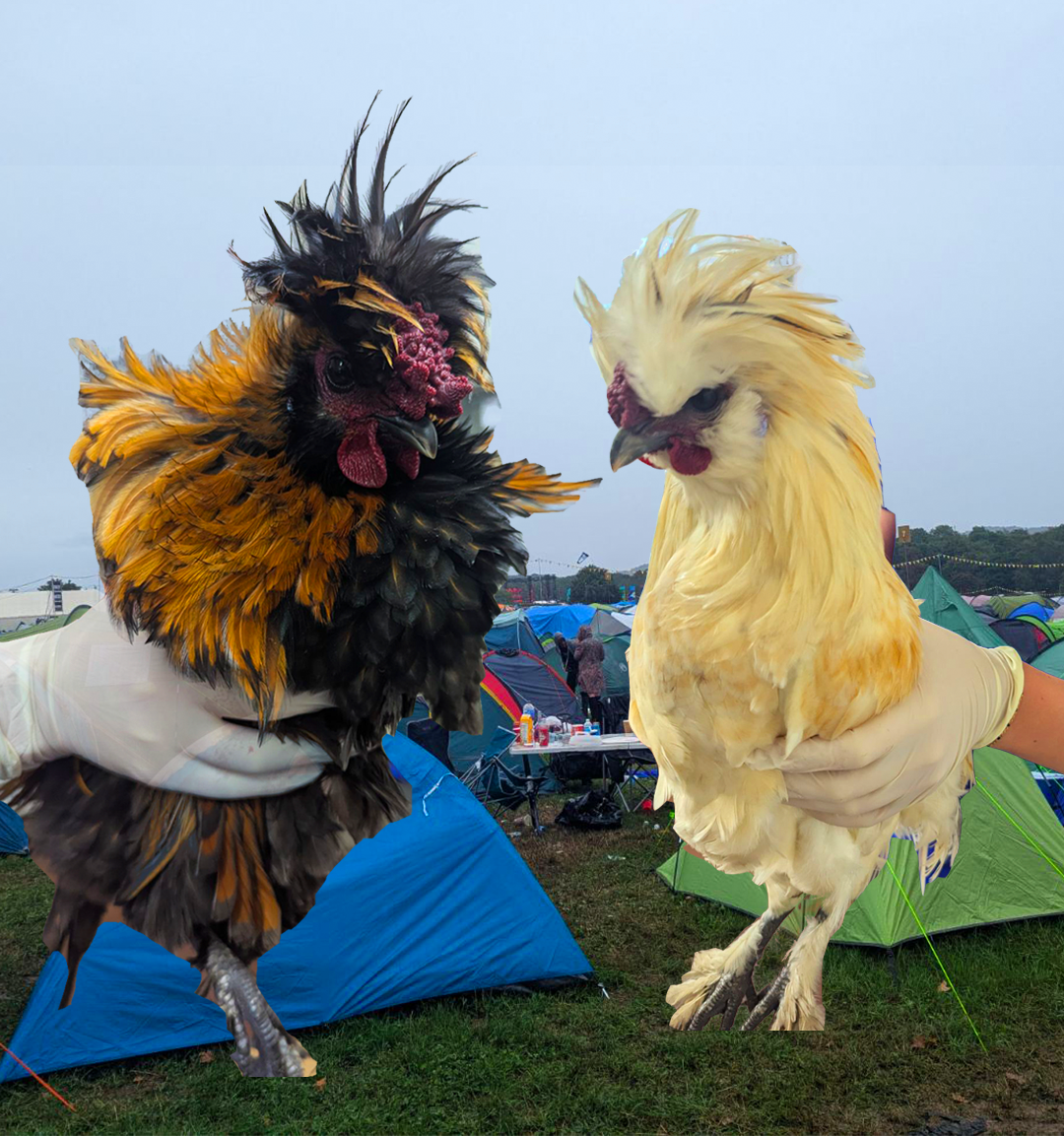
The hunt is on to find the owner of a pair of chickens who were discovered at Creamfields festival.
The two birds were spotted on the grounds of the huge electronic music festival by bewildered festival-goers.
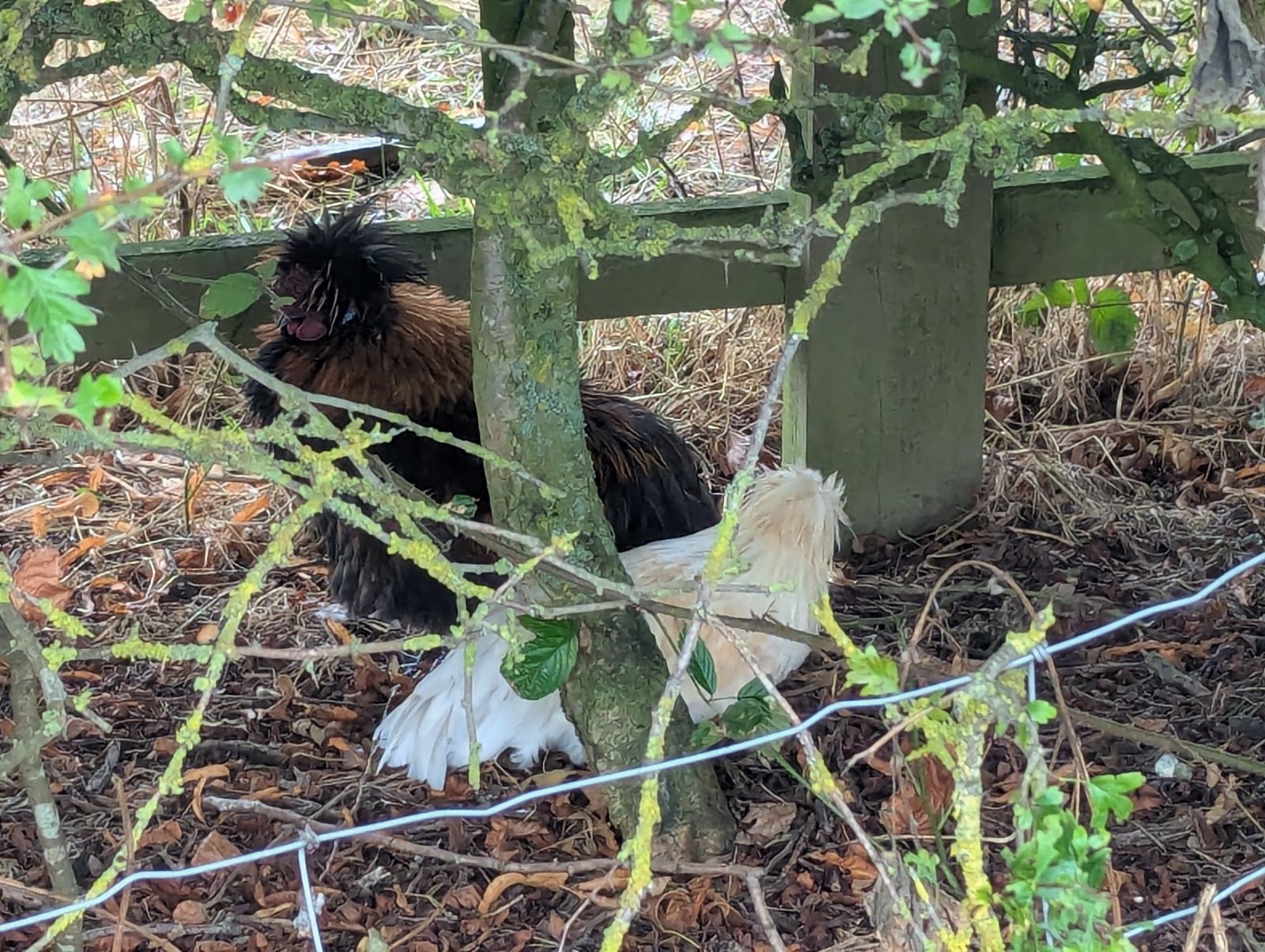
The cockerel and hen were trapped in a hedge, after it appears they wandered onto the festival campsite before the security barriers were installed.
The birds then found themselves trapped inside as around 70,000 music fans poured into Cheshire for a line-up that included Calvin Harris, Swedish House Mafia, Disclosure, and Tiësto.
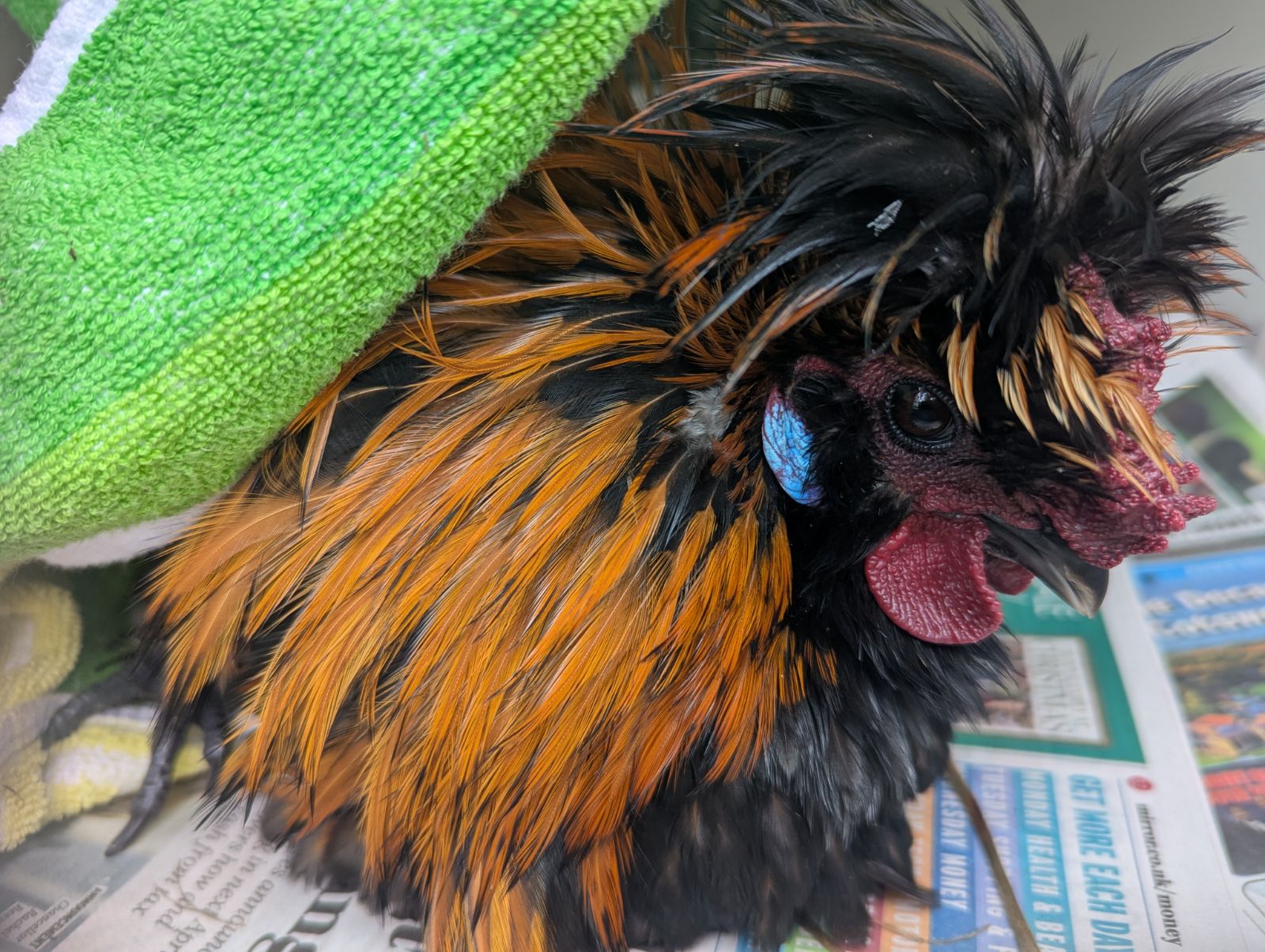
The chickens have been safely rescued from the Creamfields festival site and are recovering at a wildlife centre, and now the RSPCA is on a mission to find their owner.
Festival-goers first called the RSPCA on Saturday 29 August to alert them to the cockerel and hen trapped inside the festival, one of whom assisted in the rescue mission.
RSPCA Inspector Leanne Cooper: “I was surprised that they were inside the festival site and I needed to get through the road blocks and security before reaching them on foot through muddy fields. I met the caller who helped me as they were just running up and down the hedge line where there was a wire fence blocking access.
Where the chickens were discovered at CreamfieldsThe RSPCA wants to track their owners down
“We managed to guide them out and I caught both of them with my rescue net which was a bit of a sight for the festival campers.
“I don’t think they were abandoned and they’re more likely to be stray because it’s farmland all around the festival site. They don’t have any health issues, apart from being quite underweight.
“With the fences going up a week before the festival starts they’d probably been unable to get out for some time and had been left foraging in the hedge. Someone mentioned that a third bird was also trapped, although we couldn’t find any others.
“I am really grateful to the festival-goer who found them and alerted us to their plight.”
Manchester Airport issues update for anyone flying today after hundreds of cancellations yesterday
Emily Sergeant
Manchester Airport has issued an update for anyone catching a flight today after hundreds of cancellations yesterday.
In case you hadn’t heard, hundreds of flights at several major UK airports – including Manchester Airport – were disrupted by a technical fault at air traffic control provider National Air Traffic Services (NATS) yesterday (8 September 2026), with the incident grounding planes and resulting in numerous cancellations.
According to Flightradar24, more than 1,000 flights were cancelled nationwide, and many passengers were told to expect disruption for the rest of the day.
One of the worst-affected airlines was said to be Ryanair, with around 65,000 passengers affected by the cancellations and delays.
Manchester Airport issued its first statement addressing the matter at 3:15pm yesterday, stating: “We are aware of an issue affecting NATS’ air traffic control service at UK airports, which may result in delays to some departing flights from Manchester Airport today.
“Passengers due to travel are advised to check the latest status of their flight with their airline. We will continue to monitor the situation and share further updates as more information becomes available.”
Now, although the issue has been resolved, Manchester Airport has issued further statements informing anyone travelling today what they can expect.
The airport started off by saying that it is ‘operating as normal’ today, but that passengers are advised to ‘check with their airline for the latest information’.

 Emily Sergeant -
15th October 2024
Emily Sergeant -
15th October 2024