Major UK supermarkets provide updates on delivery services
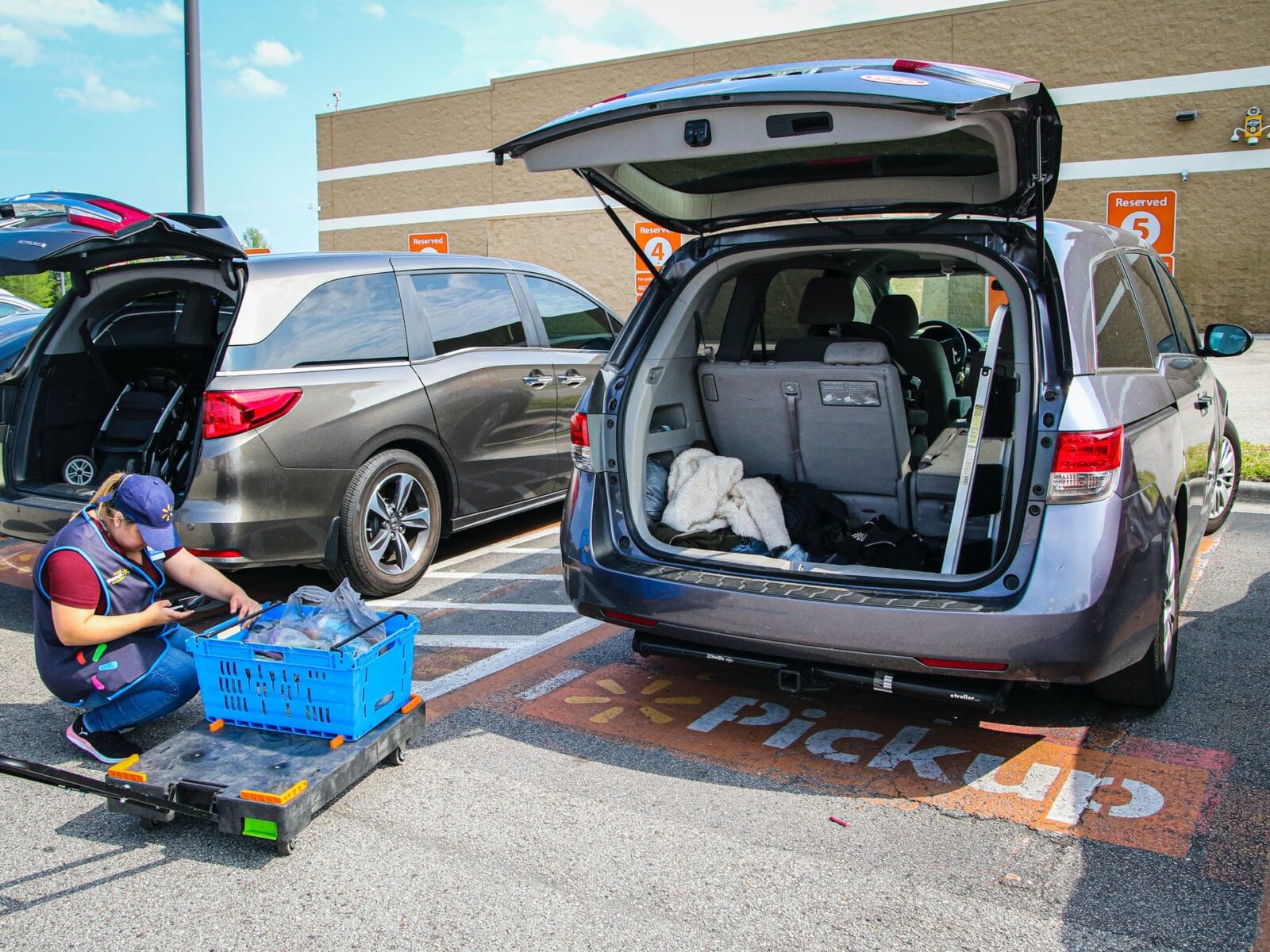
Several of the major UK supermarkets have issued statements in response to the growing volume of website traffic; providing updates for customers hoping to get food and drink dropped off on their doorsteps.
As it turns out, the great Scramble For Delivery Slots of April 2020 wasn’t just an infuriating flash in the pan, after all.
Six months down the line, we’re all back at square one: Staring at the delivery pages on supermarket websites and hitting the refresh button with one hand whilst crossing our fingers with the other.
Joy.
As cases rise and restrictions increase, more and more people are turning back to home drop-off services – whether its due to isolation, shielding, or to avoid social interaction with others wherever possible.
ADVERTISEMENT
Several of the major supermarkets have issued statements in response to the growing volume of website traffic, offering updates for customers hoping to get food and drink dropped off on their doorsteps.
Here’s what some of the major brands have had to say so far.
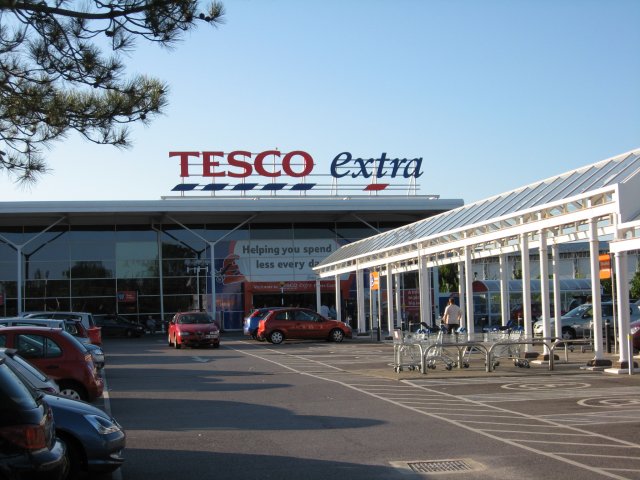
Same-day delivery isn’t available from Tesco right now, but at the time of writing there are slots available with three to five days.
Tesco is prioritising services for customers in isolation – and there’s an option to let the driver know you’re isolating so you don’t have to come into contact with them.
Tesco shopping doesn’t arrive in bags as standard anymore, “so you’ll need to choose to get your shopping in bags when you check out.”
ADVERTISEMENT
The bag charge is 40p.
The supermarket stated: “We know that it’s difficult right now to get a delivery slot for online shopping. We’re at full capacity for the next few weeks, so if you’re able to shop in-store safely instead of booking a delivery, it would be a great help. This will allow us to start freeing up more slots for the more vulnerable.
“We’re looking at every opportunity to increase the number of slots available. As we increase our capacity, we’ll also set aside more of these slots for our most vulnerable customers.”
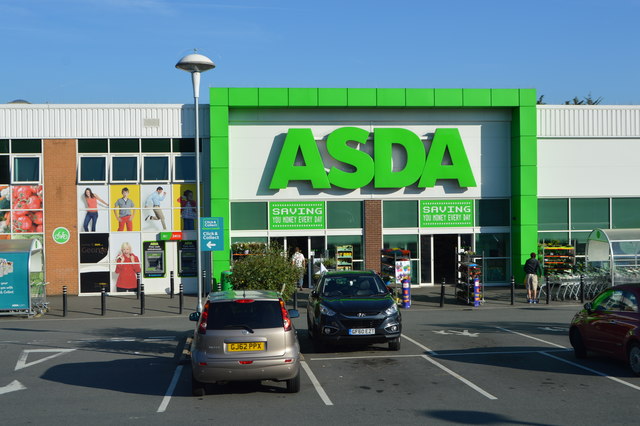
At the time of writing Asda still has a number of slots available for delivery in Manchester – but they’re filling up pretty quickly.
ADVERTISEMENT
The Asda Delivery Pass service is currently not available to new customers due to high demand.
The supermarket added: “Unfortunately we cannot guarantee delivery slots to existing Delivery Pass customers either, so if you do not save money on your delivery pass, we will refund the difference automatically with an eVoucher.”
Asda has also stated that in certain circumstances they will place limits on certain products – likely in an attempt to prevent that toilet roll fiasco in spring from happening all over again.
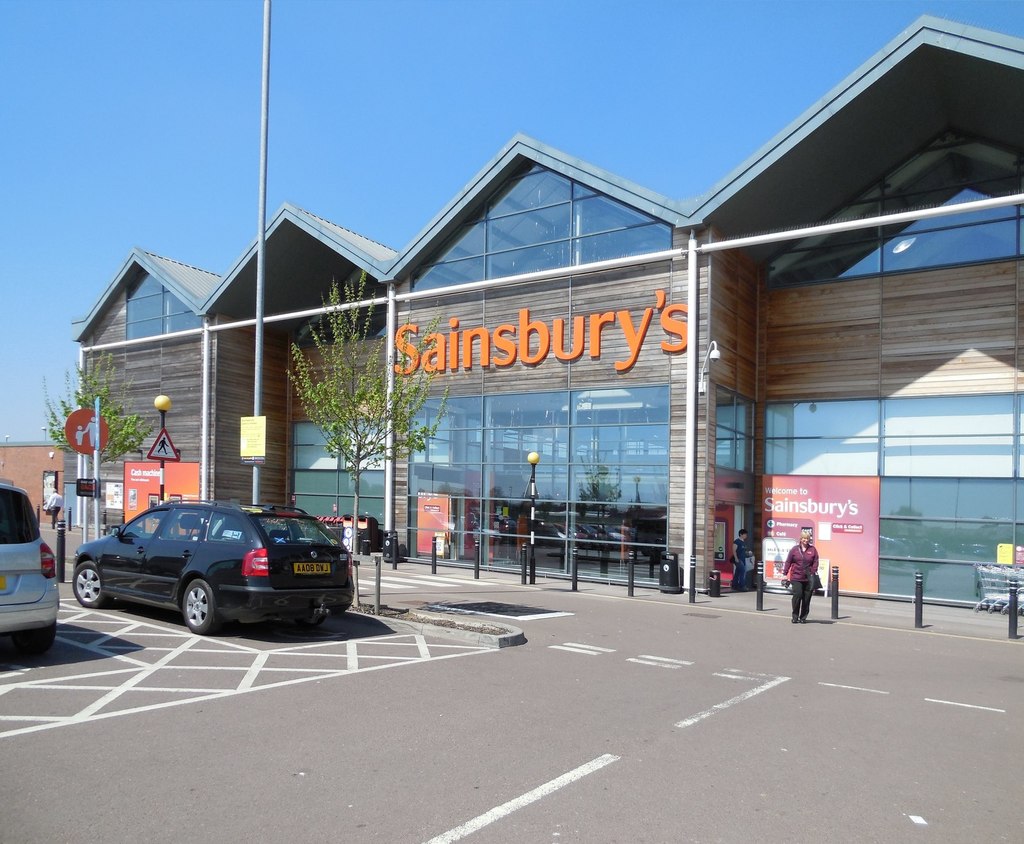
Sainsbury’s is continuing to distribute food to homes – prioritising delivery slots for vulnerable customers.
ADVERTISEMENT
“We have been working hard to expand our service across home delivery and we are now able to offer home delivery slots to many of our customers,” the supermarket stated.
“We’re continuing to prioritise access to home delivery slots for vulnerable customers, and are releasing new slots regularly.”
There are apparently as many as 700,000 weekly slots available across stores.
New customers can also register online for both home delivery and click and collect slots.
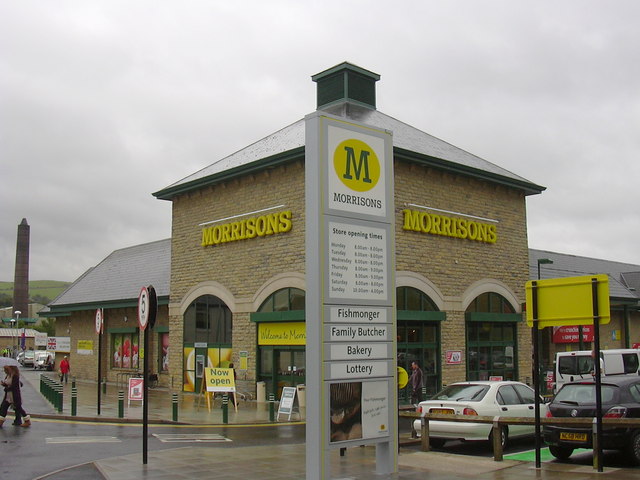
Morrisons delivery slots are looking pretty packed out in the city right now, but it’s still worth trying your luck as drop-offs may be more widely available in certain postcodes.
The supermarket also does pre-packed food boxes (meat and veggie) – which are great to order either for yourself or send to a family member/friend who might be isolating.
There’s also some rationing going on – with items like toilet roll and disinfectant limited to three items per person to prevent stockpilers grabbing all the goods.
Co-Op appears to have a number of slots available – although this may change as demand is expected to increase further over the coming days.
ADVERTISEMENT
The minimum spend is £25, and drop-off prices vary depending on where you’re getting your items dropped off.
You’ll need to sign up and register an account to arrange delivery.
The supermarket stated: “We are restricting all delivery orders temporarily to 30 items per shop, so everyone has the opportunity to get hold of those essential items they need.”
A ‘legacy walk’ in memory of the Joe Thompson is taking place across Greater Manchester
Danny Jones
The ‘Walk With Me for JT’, a.k.a Joe Thompson ‘Legacy Walk’, is back next month, and Greater Mancunians are being encouraged to take part.
Returning this year following his tragic passing last April, the now annual charity walk has already raised thousands for charity and is set for another big turnout.
Joe Thompson, an ex-Rochdale AFC and Bury FC player, sadly died at just 36 following a long battle with lymphoma, having been diagnosed three different times in 12 years.
While the young husband and father of two’s story is a heartbreaking one, it has also become a source of inspiration for so many across the North West and, indeed, across the UK, with people once again gearing up to complete a fundraising walk in his name.
Set to honour him by making the journey from his adopted home of Rochdale all the way to Old Trafford, with Thompson having come through Man United’s youth academy, the 15-mile trek will start at his former club’s Crown Oil Arena and stop at Bury’s Gigg Lane as well as Salford City’s Peninsula Stadium.
First held in 2024 under the ‘Walk With Me for JT’ banner, the initial legacy walk saw the Bath-born footballer and countless others complete 21 miles in an effort to raise money for treatment.
Gone but never forgotten, the charity walk survives not only in the hearts and souls of his family, friends and other people’s lives he touched, but in the community spirit that his struggle and immense bravery in the face of illness helped spur on throughout the region and beyond.
Writing on social media, the Thompson family and the Foundation in his memory said, “Last year, he walked beside us. This year, we walk for him. This isn’t just a walk… It’s a promise. A promise to carry his strength, his belief, his light forward.
For every family facing illness. For everyone experiencing loss or hardship. For anyone who needs hope right now. Every step matters. Every mile has meaning. Whether you’ve walked before or this is your first time. You won’t walk alone.”
Join the annual Joe Thompson legacy walk on Saturday 2nd May 💙
Departing from the Crown Oil Arena, the 15-mile walk will finish at Manchester United's Old Trafford 🏟️
They signed off by adding: “Be part of something bigger. Be part of Joe’s legacy. Be part of the movement. Get a team together, invite your friends, colleagues and family and let’s raise funds to support The Joe Thompson Foundation.”
With the event beginning at 11am on Saturday, 2 May, there have already been numerous sign-ups, and you can expect even more to lace up their shoes and pay tribute to a local hero.
If you want to join in the effort and help do your bit, you can register for the 2026 Joe Thompson Legacy Walk right HERE.
Manchester rent is now ‘41% more expensive than five years ago, according to a recent study
Danny Jones
Yes, that’s right, as per some of the latest data on leased housing in central Manchester, it’s now approximately 41% more expensive to rent here than it was half a decade ago.
If you’ve lived in and around the city centre for long enough, chances are that you’ve already been feeling that difference, especially of late.
The ongoing cost-of-living crisis roughly began in 2021, following the economy and the world essentially opening back up after multiple lockdowns, so it’s little surprise that new research has shown affordability when it comes to renting has been on a slump ever since, too.
As well as the price of seemingly most things in everyday life going up post-pandemic, the average rental rate for even just a one-bedroom flat/apartment has jumped up significantly between 2020 and 2025.
Even some ‘available’ housing in town is being hampered by claddin (Credit: Valienne via WikiCommons)
That’s according to the numbers crunched by credit card experts, Zable, anyway.
Not only did their recent report cite the rent prices going up even before the cost of living crisis – essentially following the outset of the Covid-19 outbreak – but if their figures, the rate of inflation and the unwaveringly high demand for housing are anything to go by, this trajectory is likely to continue in 2026.
As of February this year, around one in three UK households is now a single-person occupancy, which already comes with its challenges (the Manchester City Council tax discount being a thin lifeline for countless), not to mention energy bills and the cost of groceries continuing on an upwards trend.
Put in the simplest and most reductive terms, it’s now almost £300 dearer for most people to live on their own than it was back in 2020, and besides Liverpool clocking in as second on the list of increasingly expensive cities to live (a 42.12% increase), Manchester came in third.
You can see the full table down below:
Rank
City
% increase – 2020-2025
Difference from 2020 to 2025 in £
Average rental cost for a 1 bed 2025
1
Newport
47.39%
£2,611
£8,121
2
Liverpool
42.12%
£2,290
£7,727
3
Manchester
41.00%
£3,364
£11,569
4
Edinburgh
40.28%
£4,620
£16,090
5
Leicester
39.93%
£2,391
£8,379
6
Wolverhampton
39.22%
£2,049
£7,273
7
Nottingham
39.07%
£2,400
£8,543
8
Glasgow
38.02%
£2,679
£9,725
9
Colchester
37.63%
£2,617
£9,572
10
Cardiff
37.06%
£2,828
Average rental cost for a 1-bed 2025
Another fear is that with lots of people finding it hard to manage living in other major cities like London, even those moving to Manchester are also having an impact on how available affordable housing is here.
That’s why schemes such as the new ‘social rent’ development over in Wythenshawe are so important to the current generations of renters, with the possibility of owning your own property in the future becoming increasingly difficult for so many.
It’s also worth noting that Manchester ranked fourth among the British locations where the cost of living is said to have increased the most over the past five years, with the average difference in annual spend growing by an estimated 22.84%.