Cameras installed for Greater Manchester’s now-discarded Clean Air Zone (CAZ) scheme are apparently being used for “detecting crime”.
A total of 407 automatic number plate recognition (ANPR) cameras were installed across the region back in February 2022 ready for the start of the controversial £60 million scheme that never happened – but now, councillors in Bolton have revealed that the technology isn’t going to waste, and is actually being for an entirely different reason all together.
After Horwich councillor David Grant “raised concerns” about the cost of running the cameras at recent Bolton Council meeting, leader Martyn Cox revealed that Greater Manchester Police (GMP) has been closely controlling them and using them “to good effect in detecting crime”, according to BBC Manchester.
“Now that the Mayor of Greater Manchester has graciously confirmed that the area of Bolton will most like not be subject to any clean air zone can the leader confirm that he intends to demand that the presumably now defunct cameras be removed?,” Mr Grant asked at the meeting.
He continued: “Secondly, bearing in mind these cameras are live and drawing electricity from our street furniture, will he be requesting a payment for electricity estimated Greater Manchester wide at £375,000 a month?”
ADVERTISEMENT
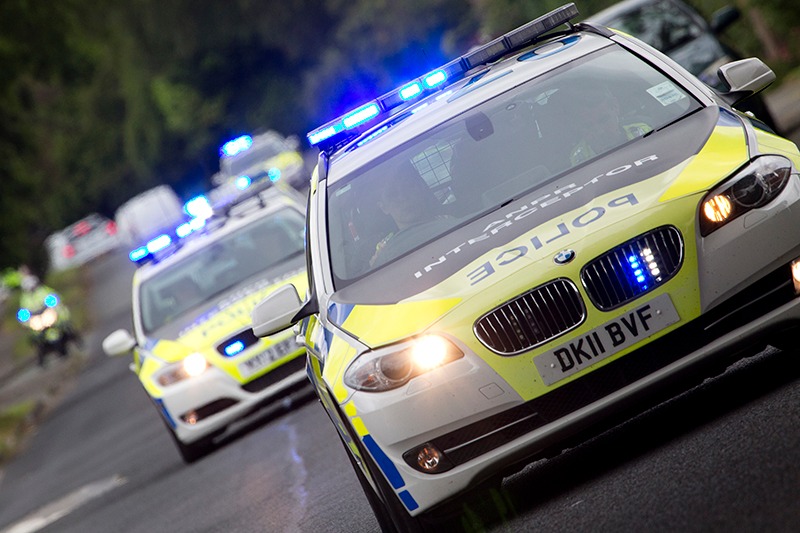
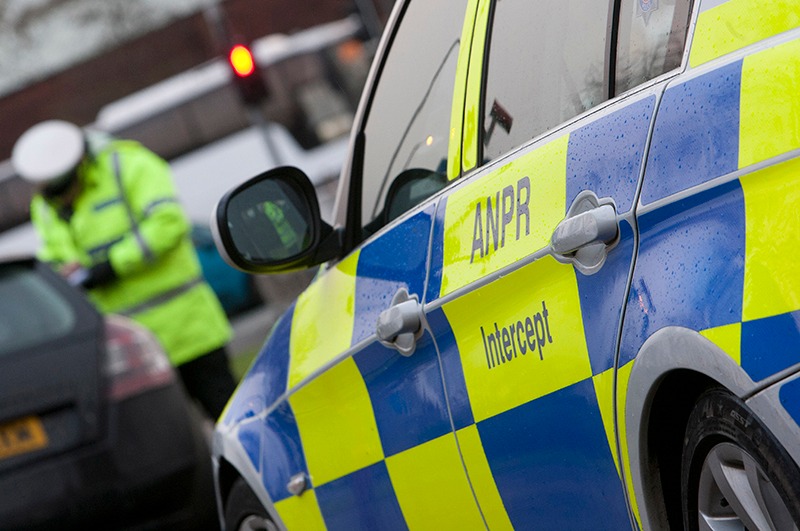
Greater Manchester’s Clean Air Zone cameras are now being used for “detecting crime” / Credit: GMP
Council leader David Cox then explained to Mr Grant that information from the cameras released in line with data protection legislation has been used to support at least two murder investigations, one high risk missing person case, one county lines drug supply case, two separate fatal road traffic collisions, and an aggravated burglary.
“However, it is acknowledged that there are concerns around the use of number plate recognition cameras and allowing direct access to the cameras to organisations such as Greater Manchester Police when these are no longer required for a charging clean air zone,” Mr Cox continued.
ADVERTISEMENT
“There is a commitment to undertake public consultation on the future use of cameras once we have a decision from central government on the investment led clean air plan.”
The Clean Air Zone was to initially hand motorists daily charges of up to £60 for some of the most polluting vehicles on Greater Manchester‘s roads.
Greater Manchester Police has been closely controlling the cameras and using them “to good effect” / Credit: GMP
The government agreed to delay the deadline for the scheme until 2026, but local leaders wanted to scrap all charges and help to fund vehicle upgrades instead.
Greater Manchester Combined Authority (GMCA) then set out evidence supporting an investment-led, and, crucially for residents and motorists, a non-charging Clean Air Plan back in June 2022 – which it said was “the best solution” to address the roadside nitrogen dioxide (NO2) problem.
Ministers are reportedly still yet to respond to this latest plan.
Featured Image – The Manc Group
News
Bolton man, 22, jailed after his ‘dangerous driving’ kills motorbike rider just days before Christmas
Emily Sergeant
A man from Bolton has been sentenced to more than a decade in jail after causing death by dangerous driving.
Cormac Sale, 22-years-old of Ina Avenue in Bolton, has been sentenced at Bolton Crown Court after pleading guilty to causing death by dangerous driving following a collision between a car and motorbike in Horwich, which saw another young man lose his life just days before Christmas (Saturday 14 December 2024).
At around 9:40pm that evening, Greater Manchester Police (GMP) were called out to an incident on Chorley Old Road in Bolton.
When they arrived, they found that a Skoda Fabia – belonging to Sale – had collided with a motorbike. Spencer Rothwell-Poole, also 22 and from Horwich, was riding the motorbike at the time and sadly died at the scene.
Following Sale’s arrest at the scene, further testing was conducted and he was found to be almost 10 times over the legal limit for ketamine whilst driving when the incident occurred.
Investigations by GMP’s Serious Collision Investigation Unit led to ‘significant evidence’ being obtained of Sale ‘driving erratically’ throughout the evening, as spotted by multiple other drivers and CCTV footage, and he was also driving on the opposite side of the road when the collision took place.
Sale has been sentenced to 10 years and eight months in prison, as well as being banned from driving for 12 years.
“This sentencing reflects the devastating consequences of choosing to drive recklessly and whilst under the influence,” commented Detective Constable James Maskrey, who is GMP’s Roads Police Lead Investigator.
“Nothing can undo the loss suffered by Spencer’s family, but it is our hope that this outcome offers some measure of justice.
“When someone gets behind the wheel under the influence of ketamine, they have no control of their own judgement or body, and even a moment where drivers are dissociated or unaware on the road can be fatal.
“This case is a stark reminder that dangerous driving destroys lives, and I want to reassure the public that our officers remain absolutely committed to tackling dangerous driving and removing those who pose a risk to our roads.”
Featured Image – GMP
News
Brewdog’s beer hotel in Manchester has closed with immediate effect
Daisy Jackson
The ‘beer hotel’ operated by Brewdog in Manchester has closed with immediate effect, as part of the Scottish brewery’s £33m sale.
A whopping 38 Brewdog bars around the UK have closed, resulting in hundreds of job losses.
As well as the beer hotel known as DogHouse in Manchester, which was home to a large bar and rooftop terrace, the Oxford Road brewpub known as the OutPost has also closed.
The DogHouse Hotel on Fountain Street had a range of boutique bedrooms, fitted with features like beer fridges in the shower, beer taps in the room, guitars, record players, and pet beds.
Just 11 pubs have been retained in the rescue deal, including the Brewdog bar on Peter Street in Manchester city centre.
The brewery has been bought by US beverage and medical cannabis company Tilray for £33m, a sale which includes its UK brewery operations, brand, and a handful of pubs.
Yesterday, Brewdog announced all of its bars would be closed for the day to enable staff to attend staff meetings.
Administrators confirmed yesterday that 484 jobs had been lost in the sale, with 38 bars closing.
Unite, the union which represents thousands of hospitality workers, said it is ‘appalled’ at how Brewdog staff have been treated during the sale.
Unite general secretary Sharon Graham said: “This is a devastating day for Brewdog workers. Nearly 500 lost livelihoods while yet another corporate deal is stitched together behind closed doors.
“Brewdog workers built this brand. They deserved respect. Instead, they were treated as disposable pawns. Unite will not rest until our members have legal and financial justice.”
Unite national lead for hospitality Bryan Simpson said: “The way in which senior management have conducted themselves throughout this sales process has been nothing short of a national disgrace – with workers being given no information about the company’s plans or their futures.
“For the CEO to tell workers that they were redundant with immediate effect, on a conference call with only 25 minutes notice, has echoes of P&O and is deplorable. Unite will be ensuring that our members receive everything they are legally entitled to.”
Brewdog was founded in 2007 by friends James Watt and Martin Dickie.