Cameras installed for Greater Manchester’s now-discarded Clean Air Zone (CAZ) scheme are apparently being used for “detecting crime”.
A total of 407 automatic number plate recognition (ANPR) cameras were installed across the region back in February 2022 ready for the start of the controversial £60 million scheme that never happened – but now, councillors in Bolton have revealed that the technology isn’t going to waste, and is actually being for an entirely different reason all together.
After Horwich councillor David Grant “raised concerns” about the cost of running the cameras at recent Bolton Council meeting, leader Martyn Cox revealed that Greater Manchester Police (GMP) has been closely controlling them and using them “to good effect in detecting crime”, according to BBC Manchester.
“Now that the Mayor of Greater Manchester has graciously confirmed that the area of Bolton will most like not be subject to any clean air zone can the leader confirm that he intends to demand that the presumably now defunct cameras be removed?,” Mr Grant asked at the meeting.
He continued: “Secondly, bearing in mind these cameras are live and drawing electricity from our street furniture, will he be requesting a payment for electricity estimated Greater Manchester wide at £375,000 a month?”
ADVERTISEMENT
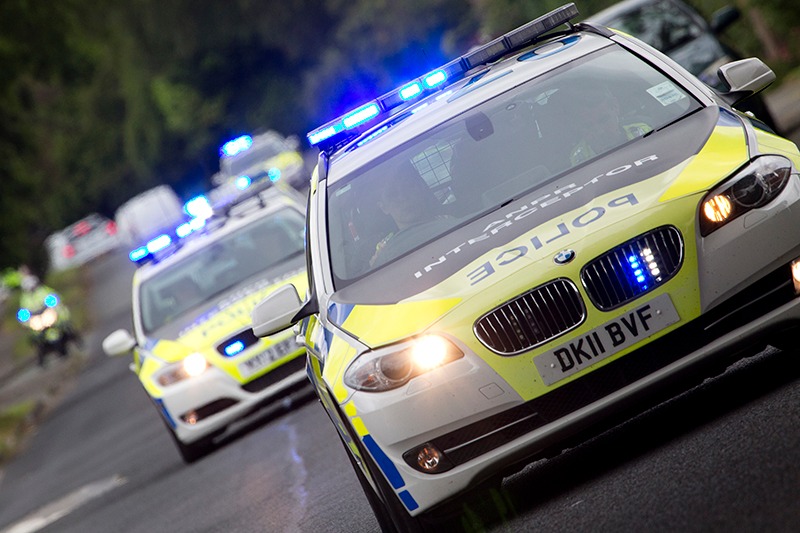
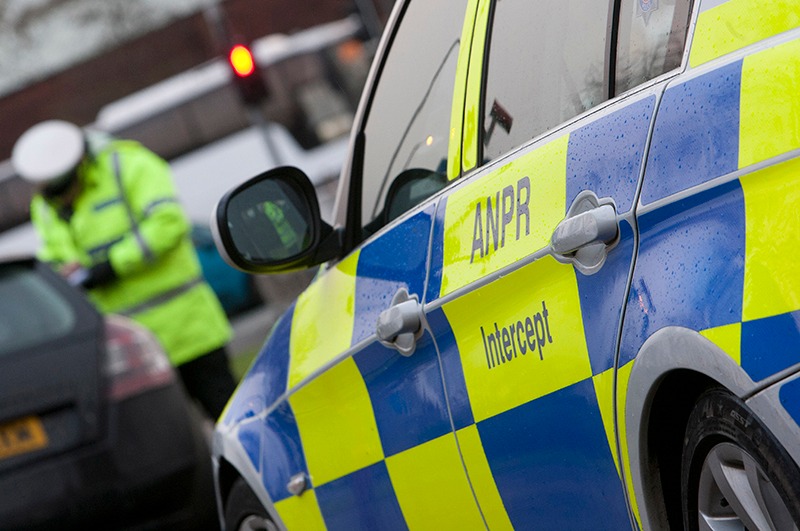
Greater Manchester’s Clean Air Zone cameras are now being used for “detecting crime” / Credit: GMP
Council leader David Cox then explained to Mr Grant that information from the cameras released in line with data protection legislation has been used to support at least two murder investigations, one high risk missing person case, one county lines drug supply case, two separate fatal road traffic collisions, and an aggravated burglary.
“However, it is acknowledged that there are concerns around the use of number plate recognition cameras and allowing direct access to the cameras to organisations such as Greater Manchester Police when these are no longer required for a charging clean air zone,” Mr Cox continued.
ADVERTISEMENT
“There is a commitment to undertake public consultation on the future use of cameras once we have a decision from central government on the investment led clean air plan.”
The Clean Air Zone was to initially hand motorists daily charges of up to £60 for some of the most polluting vehicles on Greater Manchester‘s roads.
Greater Manchester Police has been closely controlling the cameras and using them “to good effect” / Credit: GMP
The government agreed to delay the deadline for the scheme until 2026, but local leaders wanted to scrap all charges and help to fund vehicle upgrades instead.
Greater Manchester Combined Authority (GMCA) then set out evidence supporting an investment-led, and, crucially for residents and motorists, a non-charging Clean Air Plan back in June 2022 – which it said was “the best solution” to address the roadside nitrogen dioxide (NO2) problem.
Ministers are reportedly still yet to respond to this latest plan.
Featured Image – The Manc Group
News
Government launches £442m drive to get rough sleepers off streets before Christmas
Emily Sergeant
Prime Minister Andy Burnham has launched a £442m drive to get rough sleepers off the streets before Christmas.
Learning from ‘innovative’ approaches put into place during the pandemic, the Government has announced that new accommodation will be rolled out across England this winter, as well as offering practical help with housing, health, and other needs to support people to build a more stable life for themselves in the future.
The new commitment to offer everyone a route off the streets this Christmas, along with boosted funding, reflect the Andy Burnham‘s national drive to make ‘real change’ and get everyone playing their part in ending rough sleeping.
Not only will these plans change the lives of rough sleepers, but it’s also said they will have huge benefits for the country as a whole.
Research from homelessness charity Crisis suggests that by preventing 40,000 people from becoming homeless for a year, taxpayers could save around £370 million.
The Government has launched a £442m drive to get rough sleepers off the streets before Christmas / Credit: Number 10 Press Office | Jon Tyson (via Unsplash)
As well provisions to get people off the streets, and the intensive ‘wraparound’ support, the newly allocated funding will also help local areas deliver more than 1,000 ‘settled’ homes over the next three years, it has been confirmed.
Areas facing the greatest pressures will receive the largest share of support.
Working alongside councils, Mayors will play a leading role in driving local action to end rough sleeping, and will be tasked with making decisions that are right for their communities to deliver help where it’s needed most.
The Prime Minister says he ‘won’t accept’ rough sleeping any longer. He commented: “No one should have to bed down in a doorway or outside a station, but we’ve seen it for so long that it feels like Westminster has started to accept it.
“That’s why my first instruction as Prime Minister was to end rough sleeping, and it’s why today we’re getting started with a national drive to get everyone in for Christmas. We did it in the pandemic, we can do it again. But it needs all of us.
“Government will put the money in, but I’m asking leaders in communities and sectors across society to play their part locally too.
“Let’s get people out the cold, and let’s bring back hope.”
Featured Image – Gary Knight (via Flickr)
News
Trainline and Virgin Atlantic among companies being investigated for ‘misleading’ pricing
Emily Sergeant
A number of companies are currently under investigation for ‘misleading’ pricing practices.
The Competition and Markets Authority (CMA) has launched three new consumer protection investigations into Trainline, Virgin Atlantic, and RED Driving School over concerns that customers were not shown the total price upfront when buying things like train and coach tickets, holidays, or even driving lessons.
The investigations are part of a wider CMA clampdown on misleading pricing practices – in this instance, where mandatory charges are separated from the headline price, or added later in the buying process, which is known as drip pricing.
These practices leave consumers facing ‘unexpected’ costs or having to calculate the so-called true cost themselves.
Such practices can also impact competition between businesses, as a firm using drip pricing may falsely appear to be cheaper than a competitor pricing correctly, and therefore attract more customers.
Trainline and Virgin Atlantic are among the companies being investigated for ‘misleading’ pricing / Credit: Northern | Aric Cheng (via Unsplash)
Trainline is being investigated over whether all mandatory fees have been included in the upfront prices displayed to consumers buying tickets in advance on its app and website, while Virgin Atlantic’s investigation will focus on whether mandatory resort fees and local taxes have been included in the upfront prices shown to customers buying package holidays.
RED Driving School is being investigated over how a mandatory booking fee and ‘digital’ fee have been displayed to people booking driving lessons – specifically whether these fees have been included in the total upfront price.
“At a time when many households are watching every pound they spend, it is important that people are not surprised by extra fees,” commented Emma Cochrane, who is the Executive Director for Consumer Protection at the CMA.
“Clear pricing helps people compare offers confidently and choose the option that works best for them.
“Unexpected mandatory charges make this much harder, which is why the CMA initially put these firms on notice over concerns about their pricing practices and is now opening formal investigations.”
The CMA says it’s at the beginning of its investigations and has reached no conclusions about whether these firms have broken the law.
If it finds there has been an infringement of the law, the CMA can order businesses to pay compensation to affected customers or be charged up to 10% of global turnover.