University of Manchester students to vote in referendum on President Nancy Rothwell’s future
The vote is being called a "historic and unprecedented step" for students, with the referendum described as the first of its kind in almost 200 years of UoM's history.
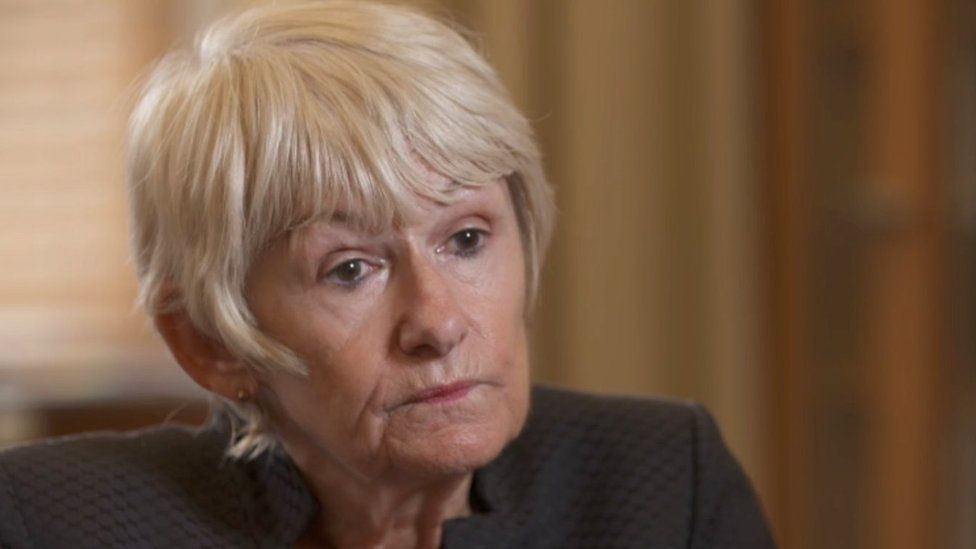
University of Manchesterstudents will vote on a referendumof ‘no confidence’ in President Nancy Rothwell and senior staff in March.
The poll is being described as a “historic and unprecedented step” and the first of its kind in almost 200 years of UoM’s history.
Campaigners have argued a vote of no confidence in Rothwell and her team will send a “resounding message” and “make it abundantly clear that their positions are completely untenable”.
The announcement of the referendum alone has piled more pressure on the university’s key figures – who are being accused by students of “repeated failures and broken promises” throughout the pandemic.
Voting will take place from 8-11 March, with results published on 12 March.
ADVERTISEMENT
When contacted for comment, a University of Manchester spokesperson responded: “The pandemic has caused a great deal of disruption for students, and they have not been able to have the university experience they would have expected.
“We have all worked very hard to provide all our students with the best possible learning and student experience in these unprecedented and challenging circumstances. We have not got everything right, but we are committed to working closely with student representatives to address concerns and meet student needs.”
ADVERTISEMENT
On Monday 8th, nominations will open for the next Exec team, Part-Time Officers and NUS delegates.
We will also be facilitating an all-student referendum on behalf of our membership, as a result of a petition we received.
— University of Manchester Students’ Union (@ManchesterSU) February 1, 2021
Local students have experienced a disruptive academic year in 2020/21; with the vast majority required to participate in most lectures via video link due to COVID restrictions.
Relationships between students and management staff were strained early on due to isolation requirements and complaints over the quality of food parcels delivered to halls.
Other residents claimed they had experienced issues with accommodation; such as leaking roofs and flooding.
ADVERTISEMENT
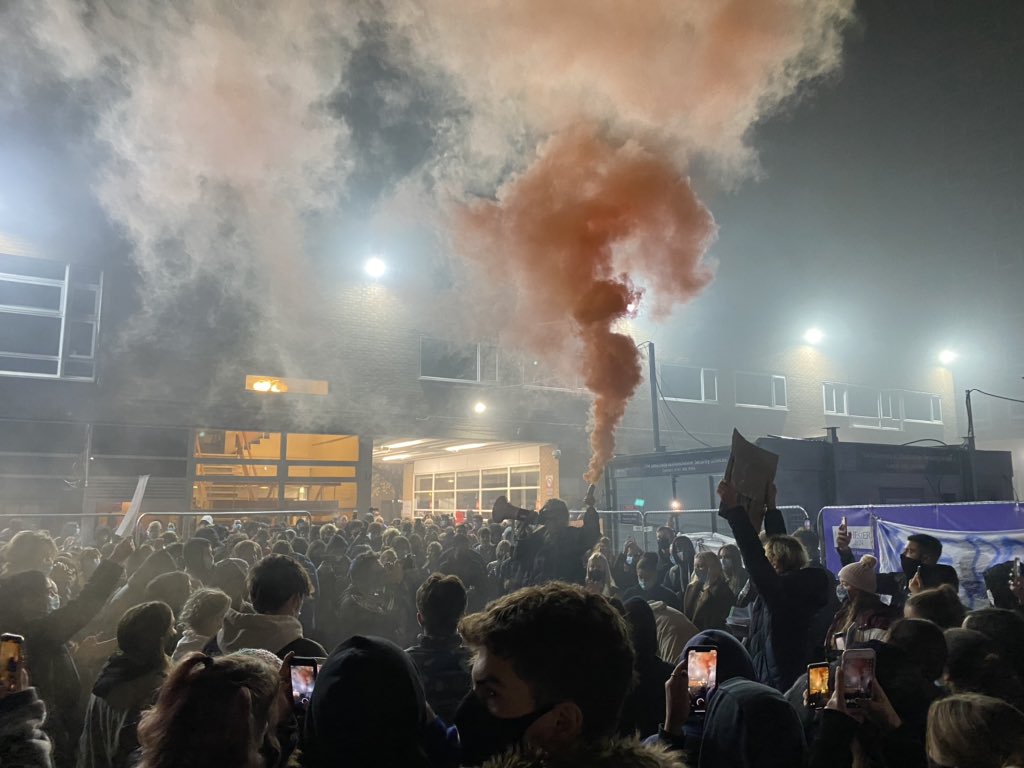
In November, students at the university’s Fallowfield campus tore down security fences that had been put up overnight without warning.
Protest groups also occupied the derelict Owens Park to demand rent refunds for the first semester, blasting the UoM’s initial two-week reduction offer as a “slap in the face” before settling on a 30% discount.
Rothwell was also forced to issue a public apology following a ‘racial profiling’ incident at university halls in which one student was pinned up against a wall by security staff and accused of looking “like a drug dealer.”
@BenMcGowan_
UoM published a pledge at the end of 2020, admitting it “hadn’t got everything right”.
But tensions in the student community have continued into semester two; both in Manchester and beyond.
ADVERTISEMENT
Campaigns have been taking place across uni campuses in 2021 – being described as the “biggest student protests in 40 years.”
In January, student accommodation platform Housemates called on the government to provide urgent financial aid to students and halls during the national lockdown.
A £50 million support fund was announced last week – with the money set to be distributed by the Office for Students (OfS) directly to universities.
But the University and College Union (UCU) described the measure as a “sticking plaster”.
General secretary Jo Grady said: “Small-scale funding packages like this are simply a sticking plaster and not the answer to the widespread problems facing the sector. The Government needs to go further and provide proper funding to avoid irreparable long-term damage to the sector’s reputation.”
News
One million UK adults who have never smoked before are now vaping, new stats reveal
Emily Sergeant
More than a million UK adults who claim to have never smoked cigarettes are now vaping.
According to alarming new data from the Office for National Statistics (ONS), relating to people aged 16 and over, around 2.8 million men (11.3%) and 2.1 million women (8.2%) are thought to be smokers in the UK… but more than a million people, who have never smoked before, have now made the decision to start vaping instead.
People in the 25 to 34 age group were found to be the most likely to vape, according to the data, overtaking those aged 16 to 24, as it was the only age group to see a rise in e-cigarette usage.
Daily or occasional vaping is still higher than the proportion of people smoking cigarettes too, the ONS revealed, at 5.4 million, or 9.9%, versus 4.8 million (8.7%).
One million UK adults who have never smoked are now vaping / Credit: Lil Artsy (via Pexels) | Pxhere
“Fewer than one in 10 adults now smoke,” commented David Mais, from the ONS.
“This is the lowest proportion on record and continues the long-term decline in smoking. [But] at the same time, e-cigarette use remains more common than smoking and has followed an overall upward trend since 2020.
“E-cigarette users are also getting older, with those aged 25 to 34 now overtaking 16 to 24-year-olds as the age group most likely to use them.
“This may reflect existing users getting older, growing popularity among this age group, or a combination of both.”
Overall, the prevalence of smoking dropped in all four UK nations between 2024 and 2025.
Featured Image – Elsa Olofsson (via Unsplash)
News
Three Manchester motorways named in UK’s top 10 ‘most challenging’
Emily Sergeant
Three motorways in and around Manchester have been named the ‘most challenging’ in the UK.
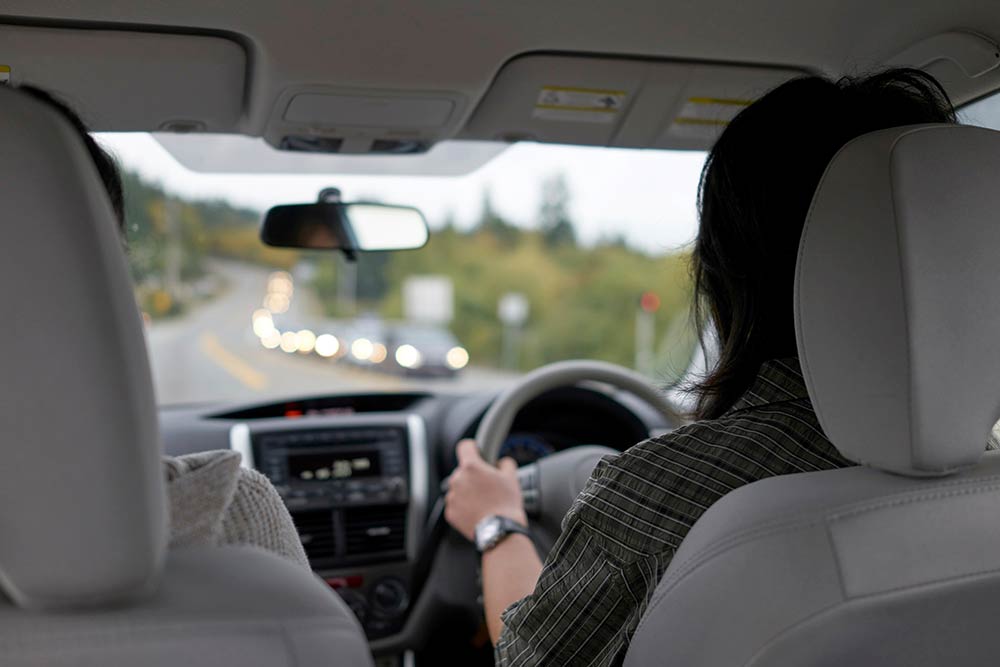
As part of MoneySuperMarket’s new Great British Motorway Report, new research has found that one in three UK motorists find motorway driving ‘stressful’ – despite more than 70 billion miles being travelled on Britain’s motorways each year.
From delays and congestion to high traffic levels, there are a number of factors that can contribute to driver stress levels.
But are some motorways more challenging for drivers than others? According to the data, yes. And three of the top 10 worst motorways in the UK are in and around Greater Manchester.
To find out which are the most challenging, MoneySuperMarket analysed everything from collision rates and roadworks, to lane closures and driver feedback in order to reveal the top 10.
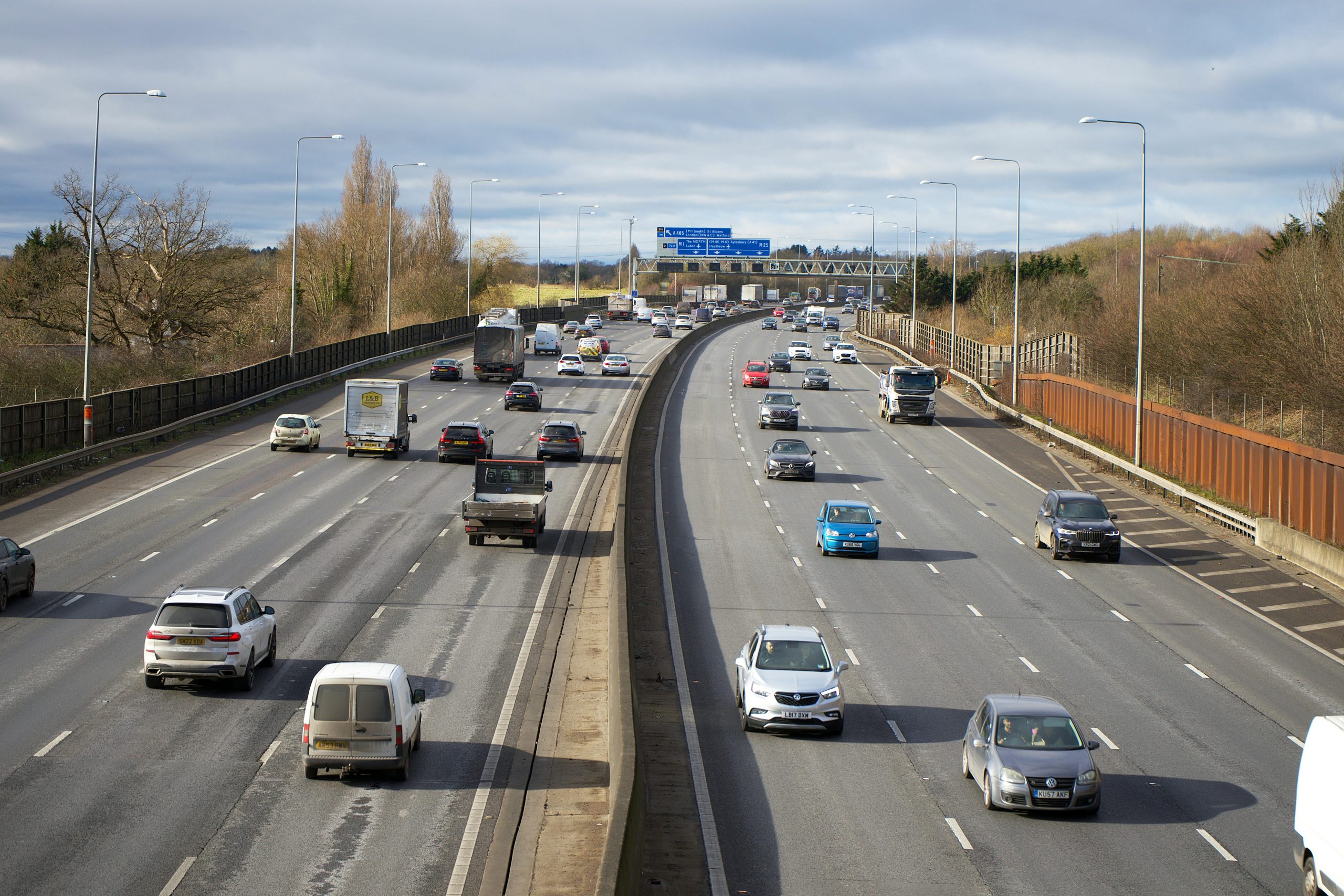
Manchester is home to three of the UK’s top 10 most challenging motorways – the M602, M62, and M60, the latter of which took the top spot on the list.
Three Manchester motorways have been named in the UK’s top 10 ‘most challenging’ / Credit: pxfuel
Encircling Greater Manchester and linking many of the region’s motorways, the M60 recorded the lowest overall score in the index.
Despite handling significant volumes of traffic, the M60 experienced some of the highest average delays, at 15.58 seconds per vehicle per mile, and alongside this, it saw 34 collisions in the past year alone. But despite these challenges, the M60 remains an essential route for regional connectivity, and often cannot be bypassed.
“If you’re feeling anxious, allow extra time for your journey so you don’t feel pressured to rush or make last-minute decisions,” commented Alicia Hempsted at MoneySuperMarket.
“Plan your route in advance, including where you’ll stop for breaks, as regular rest stops can help you stay alert and reduce stress on longer trips, and if you’re travelling alone, consider sharing your route with someone you trust if it helps you feel more comfortable.”

 The Manc -
8th February 2021
The Manc -
8th February 2021