Feature
New short documentary explores the lockdown experience for Manchester’s students
"We believe that the story we’re telling is really important".
 Emily Sergeant -
27th January 2021
Emily Sergeant -
27th January 2021 
Two young filmmakers have released a short documentary exploring the lockdown experience for students at Manchester’s universities.
Lockdown Digs was filmed when Manchester was at the forefront of media scrutiny last year.
Following several weeks of government and public debate over whether students should be heading to university for the start of the new semester, along with confirmations of classes moved to online instruction and the mass cancellation of freshers events, Manchester welcomed over 80,000 students to the city last September.
And sadly it wasn’t long before the consequences of that decision began to surface.
October and November brought with it the news that over 127 positive cases of coronavirus (COVID-19) were confirmed in connection with both the Birley campus and Cambridge halls of residence at Manchester Metropolitan University – which saw around 1,700 students instructed to self-isolate in their accommodations for 14 days – along with several student protests at the University of Manchester, campaigning for a number of issues to be addressed, and the subsequent responses from both institutions as a result.
This all made for widespread headlines and national coverage.
But it was the hidden side of the student experience that friends and filmmakers Gabriel Paul, 22, and Joseph Hunt, 23, were keen to focus on.
Unsatisfied with the portrayal of students in the media, and both sharing a strong passion for “making documentaries and films with social impact”, the two South London lads – who have been friends since their early school years and had recently graduated from university themselves – decided to travel up to Manchester to get a grasp on the bigger picture.
The documentary was shot in compliance with COVID-19 guidelines.
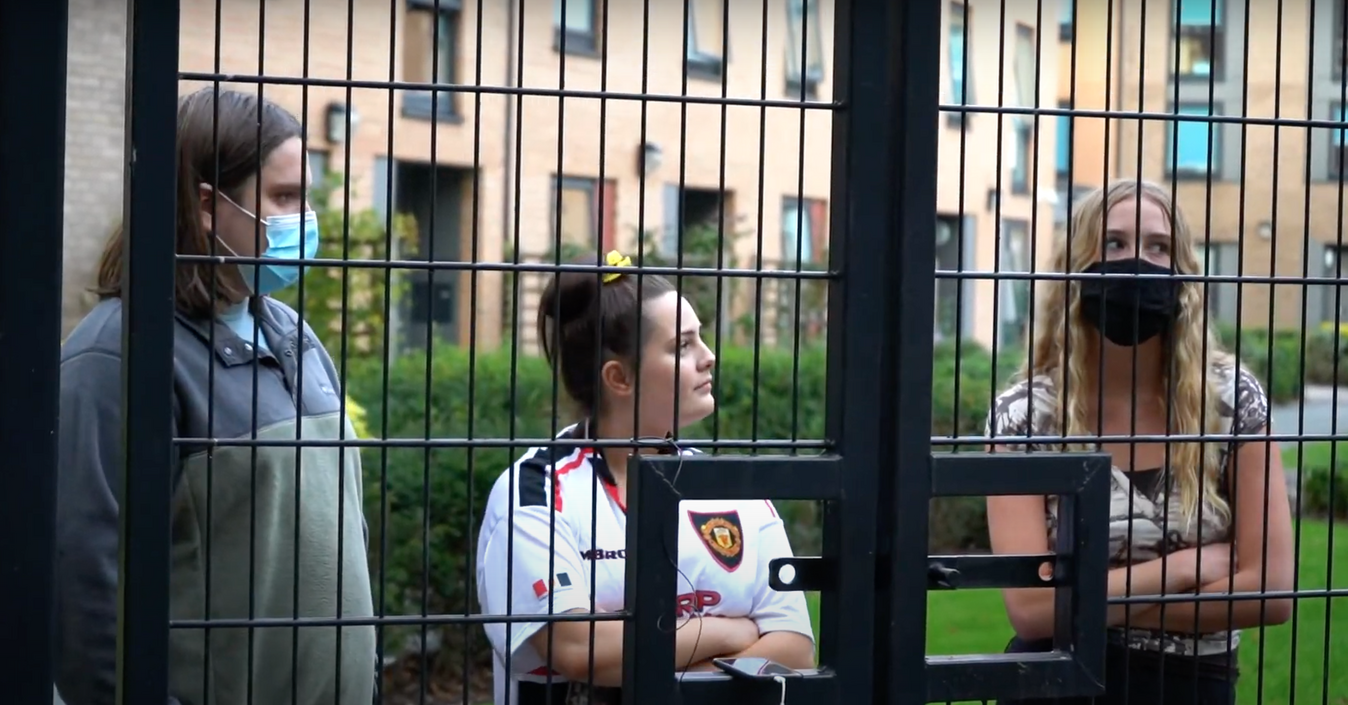
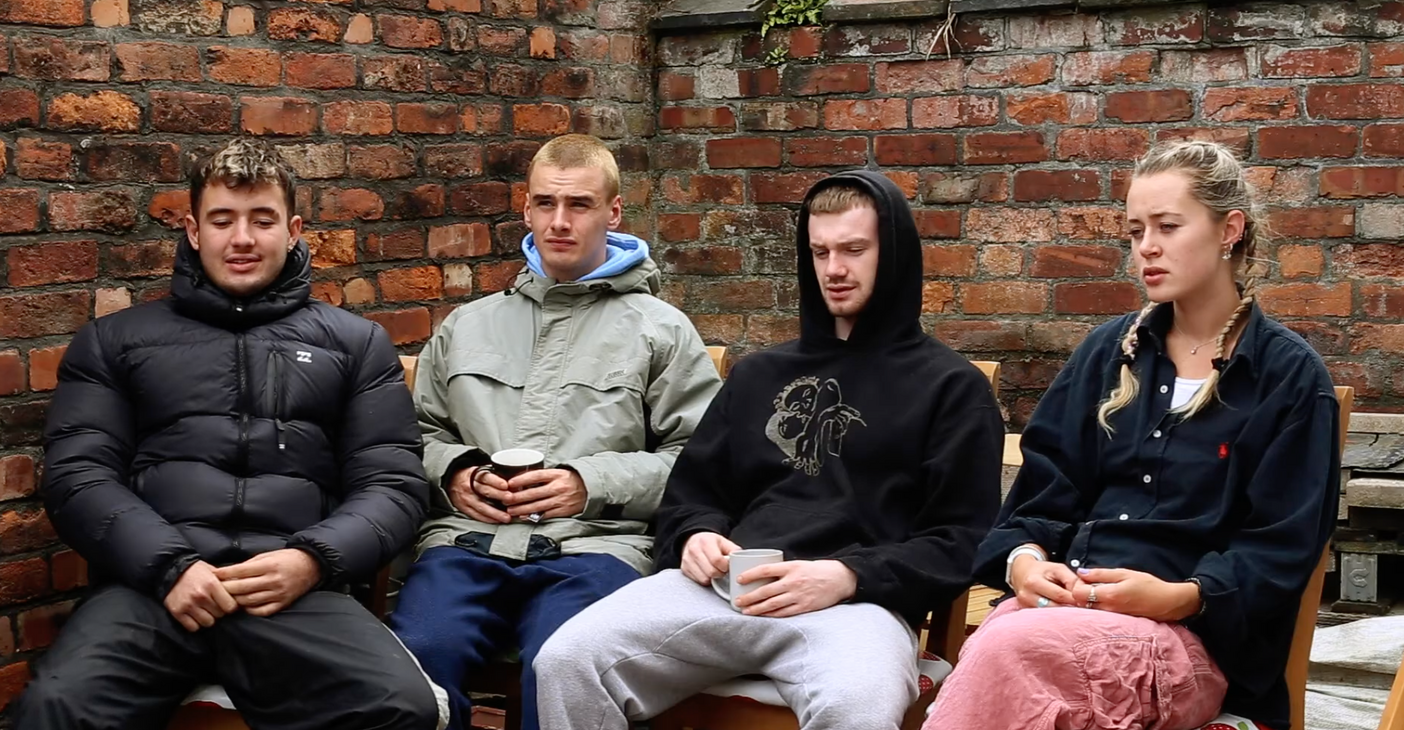
Filmed over two days at the start of October 2020, the documentary features first and second year students, both in halls and privately rented houses, at the University of Manchester and Manchester Metropolitan University.
But despite its short 13 minute run-time, the documentary still manages to cover a lot of ground.
It touches upon everything from the students’ concerns over personal finances, living situations and rental prices, the level of education they are receiving, and difficulties making friends, to how safe they feel studying on campus, their mental health struggles, the empathy they have for students in even trickier situations to them, their apprehensions about returning home for Christmas, and even their opinions on the government’s handling of the coronavirus (COVID-19) pandemic as a whole.
Fundamentally, it shines a light on just how much the student experience has be affected.
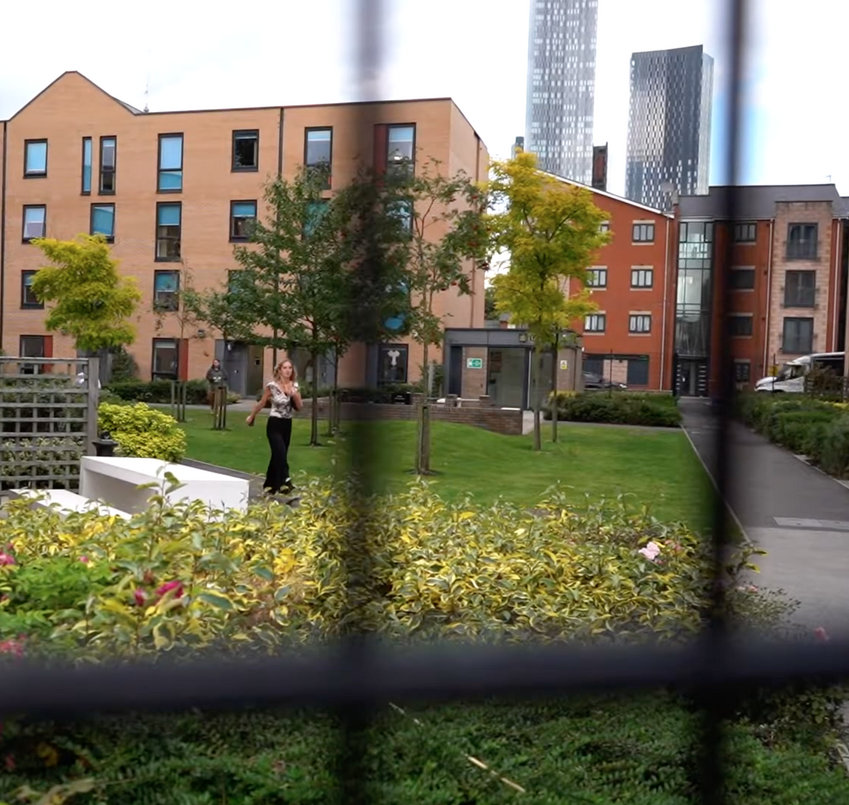
“As the summer of 2020 was ending, we couldn’t help but notice that talk of students returning to university was a subject the media was covering extensively” Gabriel told us.
“We felt that the media’s portrayal of students was unfair and one sided, with the finger being pointed at them for the growth in cases and a blasé attitude towards national health, [and] having recently graduated ourselves, we wanted to contribute to the narrative that students are not just the nations scapegoat,
“We felt it was important to document the lifestyle of a student in 2020 in the most real and authentic way possible, and to enable student’s voices to be heard.
“We decided to focus on students in Manchester, because it felt like the epicentre of media coverage on that issue”.
He continued: “We were keen to document the experience of students at both Man Met and the University of Manchester to gain a more full understanding of the situation [and] fortunately, we had individual links at both, through friends and family.
“[So] we asked these individuals to rally together groups of people who were willing to give their insight and were happy to feature in our documentary.”
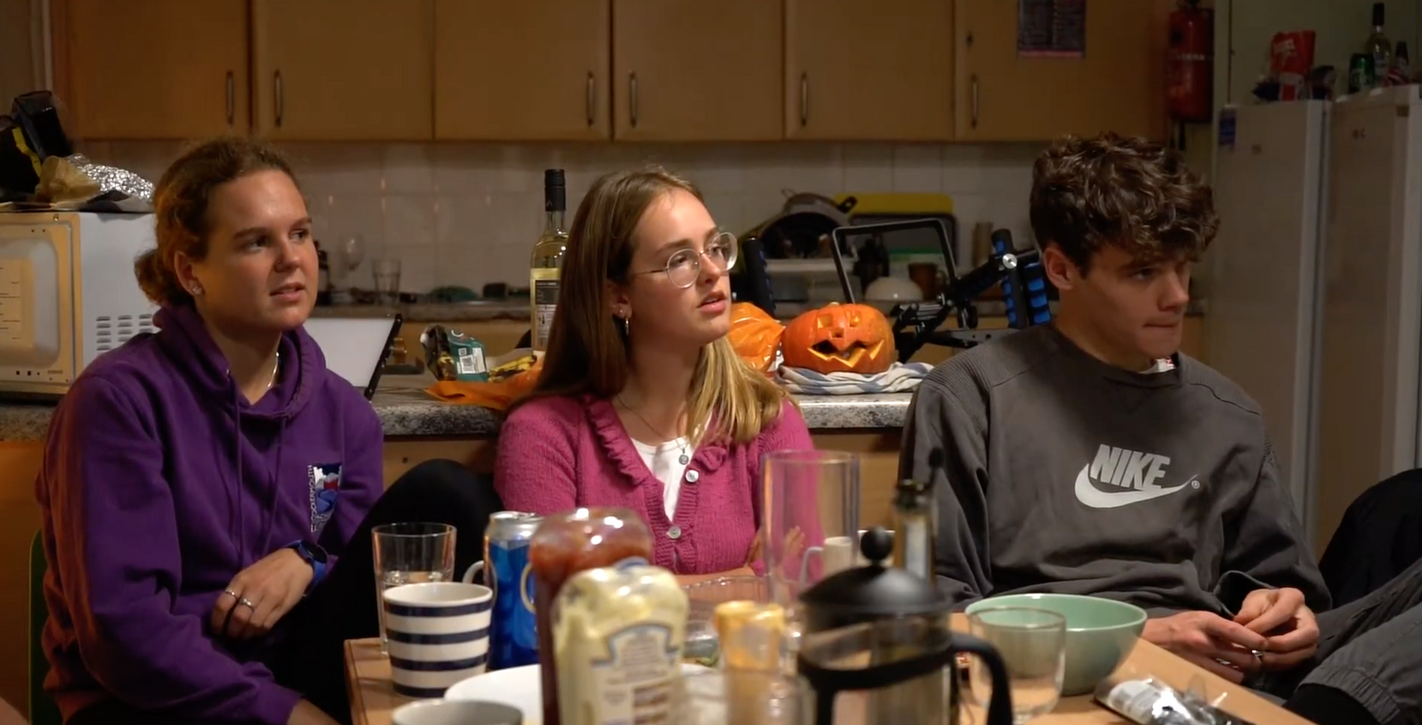
Standing up for students and providing them a voice was a core goal for Gabriel and Joseph.
“During this pandemic, we noticed that society seemed to be searching for someone to blame for the situation”. Gabriel continued.
“More and more, the finger seemed to be pointed at students.
“We therefore felt it extremely important to shine a light on the experiences of these individuals who were receiving an unfair amount of blame.
“[And] as we were interviewing the students, the importance of shining this light on their experience became more and more obvious [and] vital issues such as mental health, students being owed compensation, and the lack of support from the establishment, illustrate the gravity of the situation.
“We believe it’s vital that we nurture a conscious awareness of what each member of society is going through and promote stories that unite, rather than divide us.
“The story we’re telling is really important, and we’d love as much support as possible to spread the word.”
___
You can watch the documentary in full on YouTube here.