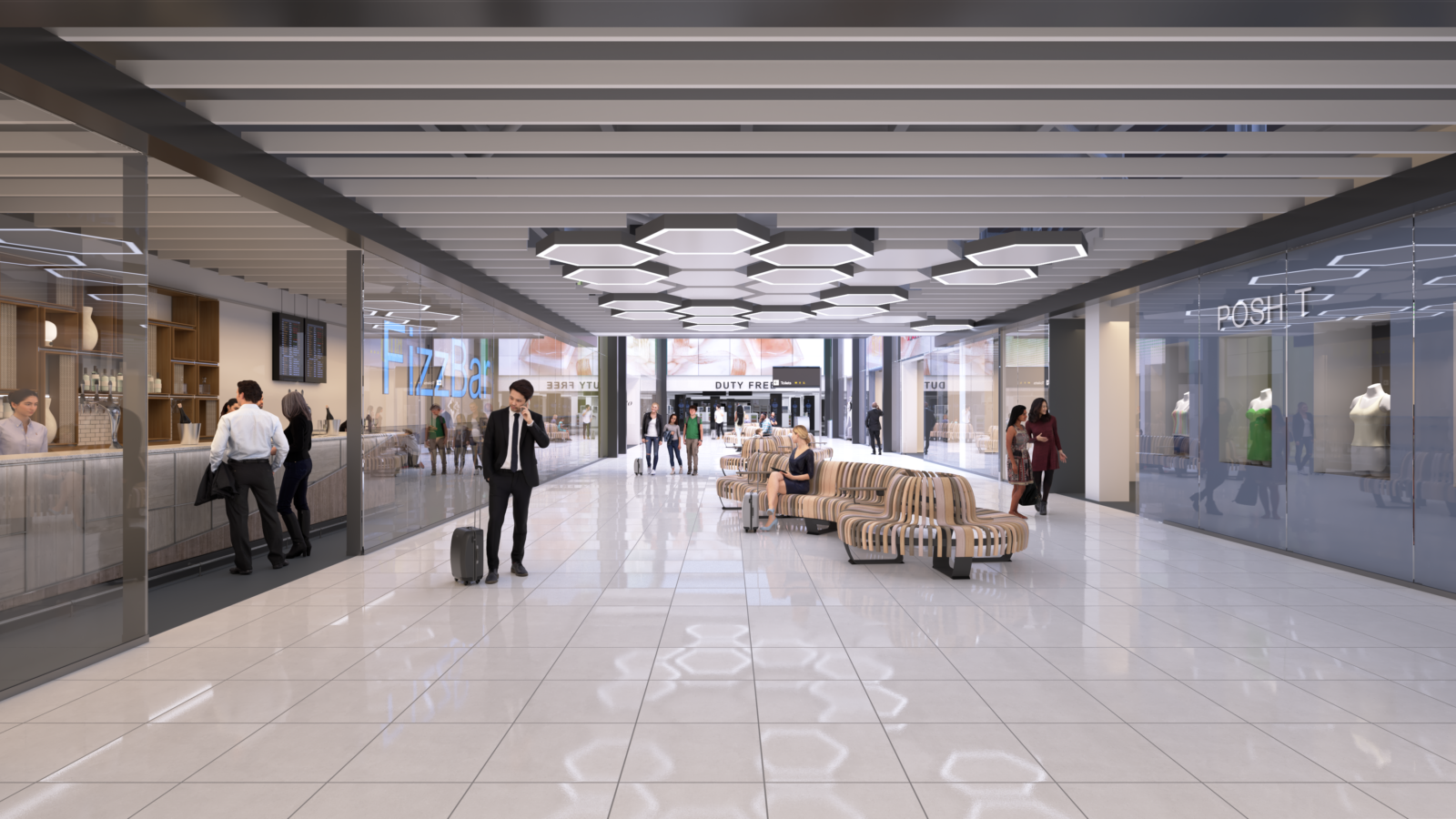
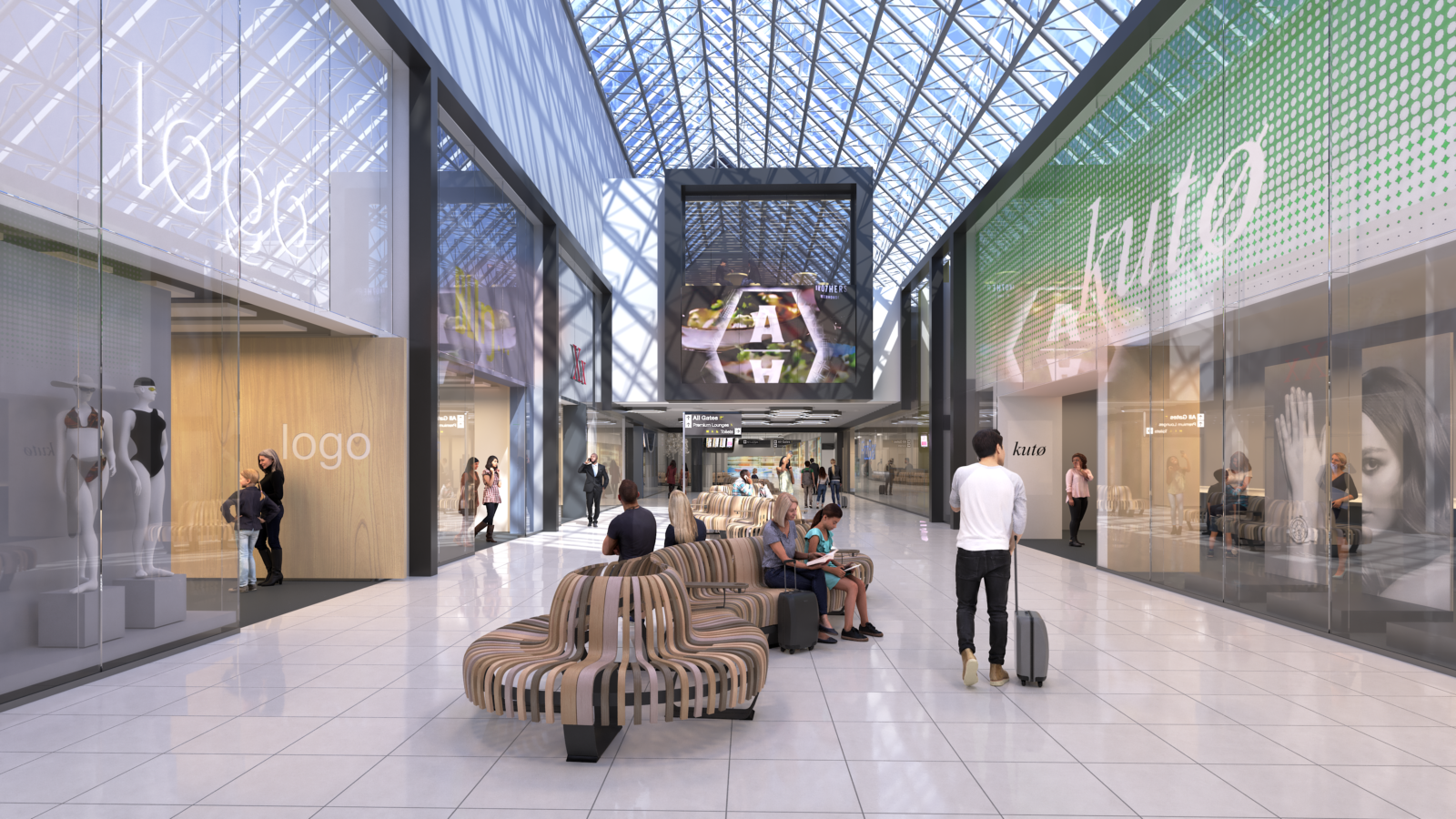
New CGI and artist impression images released by the UK’s third largest airport this week show an extended departure lounge featuring a food market that’s set to serve up a variety of world cuisines and quick eats for those who prefer a more casual dining experience.
This will be alongside a new boutique high street-style shopping area, known as ‘The Avenue’, which will have a “vibrant and airy feel”, and will come complete with a champagne bar, as well as premium brands, artisan cafes, and a brasserie.
Each store front in the new shopping zone will open onto airfield views, the Airport has explained, with plenty of passenger seating around it for “added comfort”.
ADVERTISEMENT
Manchester Airport reveals plans to open 27 new shops and restaurants in Terminal Two / Credit: Manchester Airport
According to the plans unveiled by Manchester Airport this week, a blend of regional and national brands are expected to operate the new units – which is designed to be in-keeping with the areas of Terminal Two that are already open to passengers.
“We are well aware that our guests’ holidays start at the airport,” admitted Richard Jackson, Retail Director at Manchester Airport.
ADVERTISEMENT
“We want people to enjoy their time here, whether that means sipping craft beer brewed at the airport in a bar overlooking the airfield, or eating an artisan pizza.
“We already have a great range of food and drink options in Terminal Two, with local brands which create a strong sense of place, but we’re looking to build on that with all-new offerings, including a champagne bar and a market hall style food court.”
Aside from the plans to open the 27 new shops and restaurants, bosses at Manchester Airport say they are also searching for retailers selling toys, fashion, accessories, and travel essentials to take up units in the new ‘The Avenue’ area.
ADVERTISEMENT
The Airport is seeking out partners who will “showcase the best of the North in their units”.
“We’re also seeking retail partners who will bring a high-class offering, tailored to the needs of the travelling public,” Mr Jackson continued.
“The first phase of the project saw some exciting brands come on board, but we’re now keen to build on that and provide a more varied and comprehensive retail experience to cater for the tastes of the millions of passengers who will pass through the terminal’s doors.”
It’s part of a wider £1.3 billion transformation programme / Credit: Manchester Airport
As mentioned, the expanded retail and restaurant offering forms part of the second phase of the wider £1.3 billion transformation programme of the Airport’s original Terminal Two.
The first phase of the transformation project saw a number of Mancunian favourites taking up residence inside Terminal Two – such as burger and shake chain Archie’s, Italian restaurant San Carlo, coffee brand Pot Kettle Black, and Manchester-based brewers Joseph Holt and Seven Bro7hers.
ADVERTISEMENT
They were joined by household names like Costa Coffee, WHSmith, Pret a Manger, and Wagamama.
The second phase is seeing Terminal Two remodelled and upgraded in sync with the recently-opened terminal extension.
All work is expected to be completed by 2025.
Featured Image – Manchester Airport
Business
‘Remember to support genuine independents’ – Manchester’s rotisserie chicken bistro Tartuffe announces closure
Emily Sergeant
Rotisserie chicken bistro Tartuffe has called final orders on its time at popular city centre hangout, Side Street.
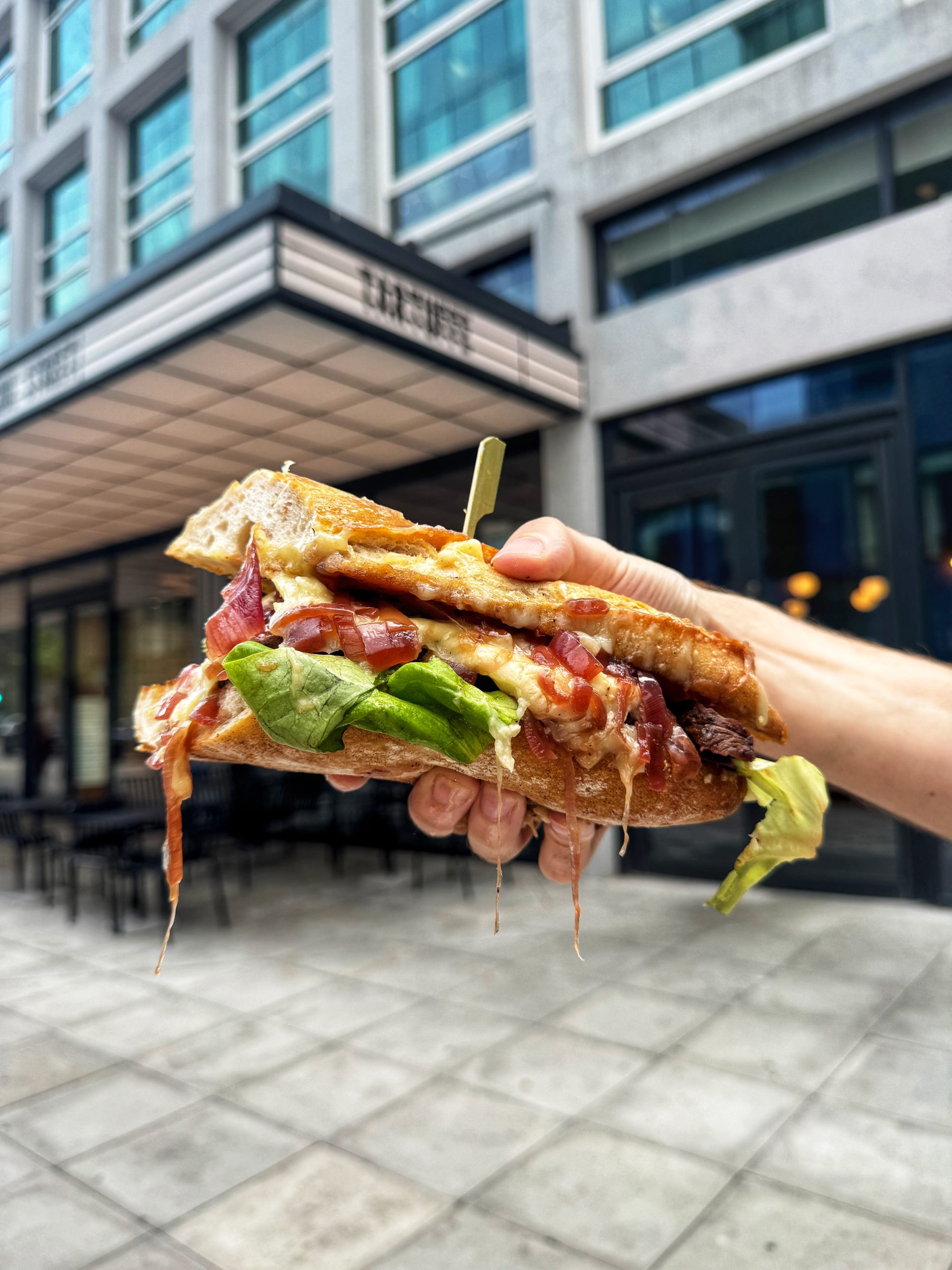
Serving some of the best rotisserie chicken in Manchester – ‘sexy chicken’, if you will – Tartuffe first landed at Side Street inside the ABC Building back in the later summer of 2024, and quickly became known and loved by critics and customers alike for not just their rotisserie options, but also their stylish bar snacks and standout sides.
But despite being a roaring success these past two years, Tartuffe took to social media this week to announce the end of the ‘longest pop-up ever’, with its final service being tomorrow (25 September).
Tartuffe will be leaving Side Street this Friday / Credit: The Manc Group
Announcing its closure on Instagram, Tartuffe wrote: “That’s right, our time at Side Street has come to an end and our final service here is this Friday.
“It’s been an incredible two and a half years cooking for the wonderful people of Manchester and we’re hugely thankful to everyone who’s been to see us whilst we’ve been here.
“Another big thanks to the staff at Side Street who we’ve loved working with. We’ve made some great friends and worked with some absolutely brilliant people.
Award-winning Manchester restaurant Another Hand announces closure with ‘immediate effect’
Emily Sergeant
One of Manchester’s most popular intimate restaurants has sadly announced that it’ll be closing its doors with ‘immediate effect’.
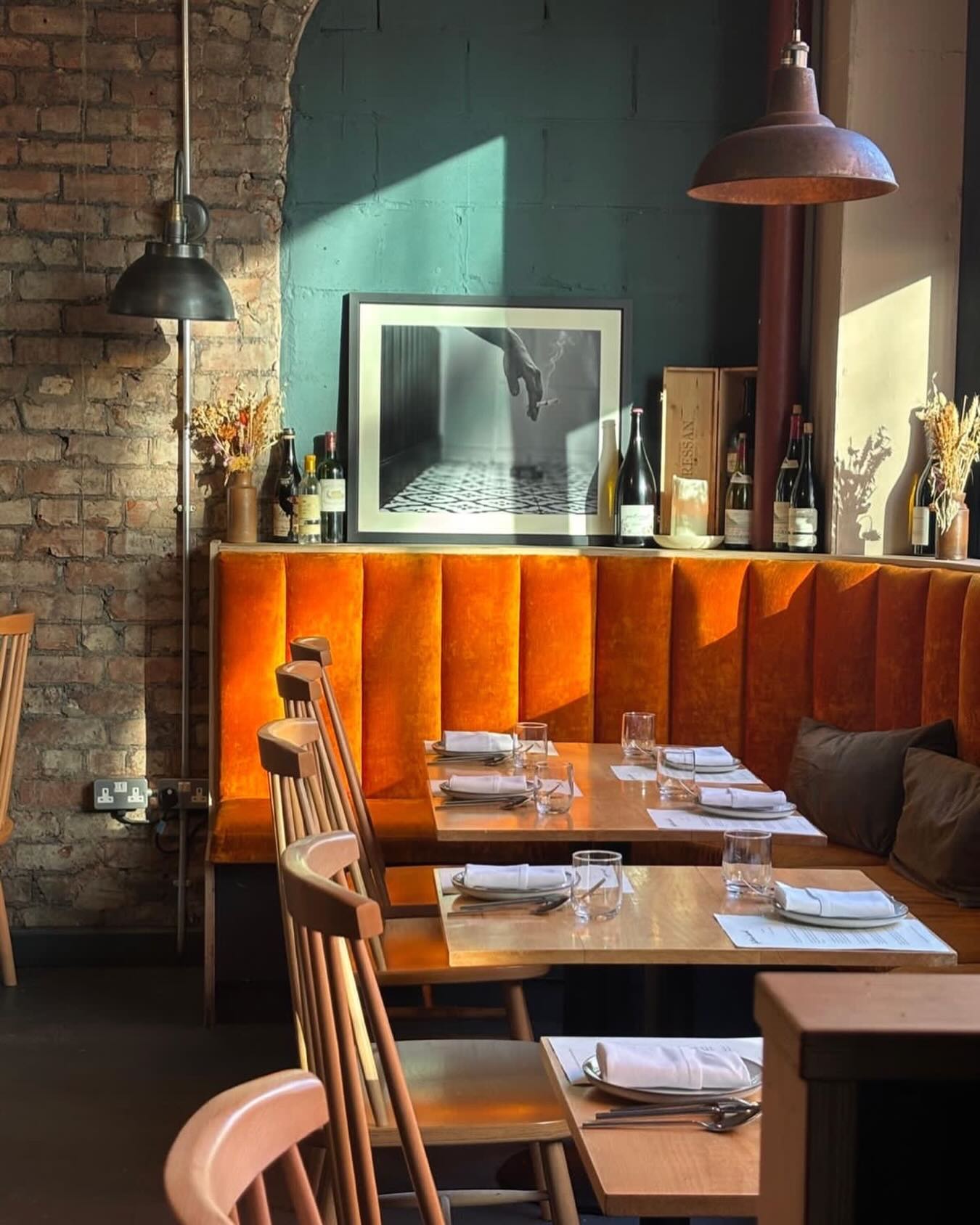
Another Hand – which can be found tucked away up on Deansgate Mews – opened back in 2022 to acclaim from critics and customers, as well as scooping up several awards along the way like Best Newcomer at the 2022 Manchester Food and Drink Awards, and places in the Michelin Guide and the Good Food Guide along the way.
Not only that, but the 24-seater intimate casual dining restaurant was also named as one of the best restaurants in Manchester merely three weeks ago by respected publication, Time Out.
Launched by the team behind 3 Hands Deli – which operated from a site two units down – Another Hand was known and loved for focusing on sharing plates made with produce from local ethical growers.
And it seemed to be going from strength to strength, but sadly, the restaurant took to social media yesterday to announce its decision to close ‘with immediate effect’.
Another Hand said in its statement on Instagram: “With heavy hearts we are sad to announce that after five years Another Hand will be closing its doors with immediate effect.
“Unfortunately, as most of us know, the current economic climate for the hospitality sector is facing steep challenges, sadly a familiar story. And after five years of operating within this increasingly challenging environment, we feel it’s time for us to step away.
“This isn’t a decision we’ve taken lightly, but it feels like the right time to bring this chapter to an end.
“We’re incredibly proud of what we’ve built here. From the people who have worked alongside us, to the producers and suppliers who have supported us; and most importantly, everyone who has come through the door and eaten with us…. thank you.

 Emily Sergeant -
4th May 2023
Emily Sergeant -
4th May 2023