Jacob Rees-Mogg says he thinks the TV License fee “needs to go” after the BBC’s recent row with Gary Lineker.
The controversial and outspoken Tory MP for North East Somerset has made his views on the topic of TV license fees known following what has been a week of turbulence for former England striker turned presenter and pundit, Gary Lineker.
In case you somehow missed it and need bringing up to speed, Gary Lineker was asked to temporarily “step back” from presenting the BBC‘s flagship football show, Match of the Day – which he has fronted since 1999 – last Friday, with the broadcaster saying it considered his recent social media activity to be “a breach of our guidelines”, and confirming he would not return to screen until a “clear position on his use of social media” was agreed.
The broadcaster’s move to suspend Lineker comes after the 62-year-old had been at the forefront of several days of intense scrutiny and debate over his Twitter posts criticising the UK government’s asylum seeker policy.
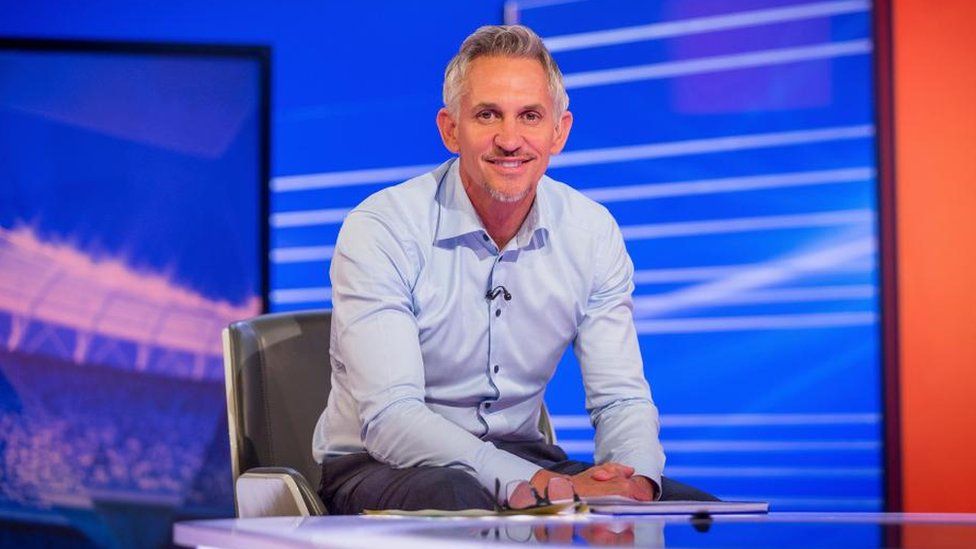
Gary Lineker presenting Match of the Day / Credit: BBC
His initial tweet saw him compare the language used to announce the government’s policy with that of 1930s Germany – which went on to spark a row over whether he broke BBC impartiality rules.
ADVERTISEMENT
After several of Lineker’s presenting partners and prominent BBC colleagues, including fellow Match of the Day co-presenters Ian Wright and Alan Shearer, as well as Alex Scott, Jermaine Jenas, and Micah Richards, all chose to “show solidarity” by refusing to present if asked, the BBC issued an apology yesterday and confirmed that Lineker would return to his presenting duties.
Following an official statement by the BBC, Lineker took to Twitter to reflect on “a surreal few days” and confirm he’ll be back “working with the best and and fairest broadcaster in the world”, while taking the time to thank his colleagues and the general public for their “incredible support”.
ADVERTISEMENT
After a surreal few days, I’m delighted that we have navigated a way through this. I want to thank you all for the incredible support, particularly my colleagues at BBC Sport, for the remarkable show of solidarity. Football is a team game but their backing was overwhelming. 1/4
A final thought: however difficult the last few days have been, it simply doesn’t compare to having to flee your home from persecution or war to seek refuge in a land far away. It’s heartwarming to have seen the empathy towards their plight from so many of you. 3/4
With the situation having now been resolved, Rees-Mogg spoke to right-leaning news station GB News to weigh in on it all, and give his opinion on the BBC as a whole, while raising the much-debated topic of TV License fees.
“I think the issue is about the BBC rather than about Gary Lineker’s view,” Rees-Mogg said.
“He’s entitled to have any view he wants, we are all in favour of freedom of speech and people being allowed to say things that we don’t agree with, or we may even find offensive, and that’s actually fine. He can say what he likes.
ADVERTISEMENT
“The issue is that the BBC is the state broadcaster and that it’s funded by a tax on televisions. If it weren’t, then we wouldn’t need to worry about its impartiality.”
'It's past its sell by date. It needs to go.'
Following the chaos caused by Gary Lineker's controversial tweet, @Jacob_Rees_Mogg says it is now time to scrap the BBC licence fee.
When the topic got onto the BBC’s licensing fee, Rees-Mogg explained that he thinks it’s a constraint on the broadcaster, telling presenters Bev Turner and Andrew Pierce: “It stops it earning revenues by subscriptions on the iPlayer, or by taking advertising.
“It leads to a heavily regulated media based around what the BBC needs and what is needed for a State-funded channel.
“And so, yes, I’m saying the licence fee has passed its sell-by date and it needs to go.”
Featured Image – GB News
Trending
What is the UK’s national dish? New survey reveals Brits’ pick in landslide victory
Emily Sergeant
If you’ve ever thought to Google the question ‘what is Britain’s national dish?’, then you probably came away thinking it’s chicken tikka masala.
But is that actually the truth? A new survey has disproved the claim, massively.
There’s no denying that chicken tikka masala – an Indian curry that’s actually widely thought to have been created in Britain – is a popular dish that’s loved by many, but despite what many headlines have claimed over the years, a new YouGov survey has revealed it’s not what Brits consider to be the country’s ‘national dish’.
YouGov conducted two online surveys earlier this month, made up of 2,079 and 2,104 adults aged 18+ living in Great Britain.
And, in their own words, Brits chose fish and chips as the country’s national dish, making it the ‘resounding’ winner with 49% of the vote.
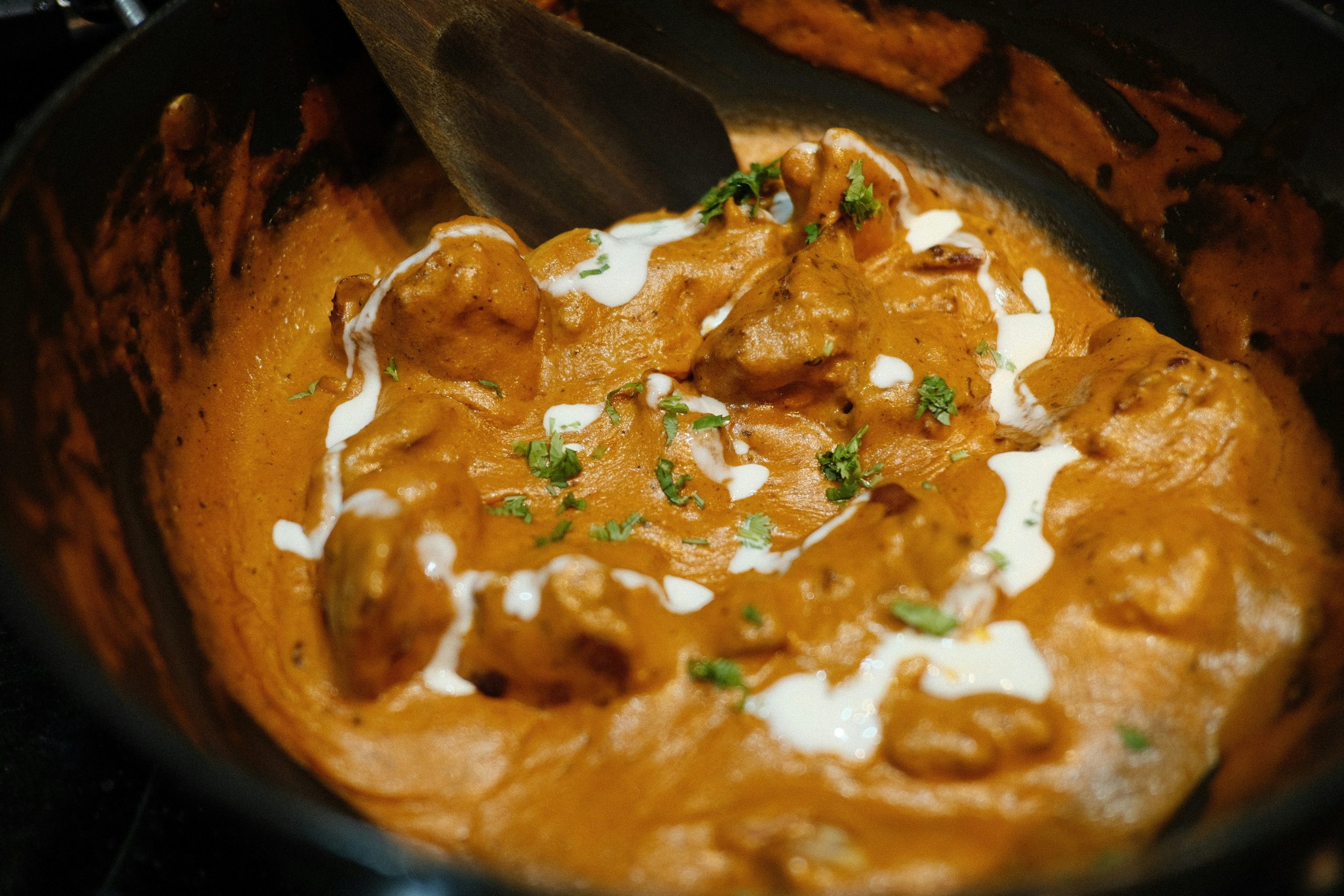
What is the UK’s national dish? A new survey has revealed Brits’ pick in a landslide victory / Credit: The Manc Group
With nearly half of the overall vote, this puts fish and chips far ahead of the roast dinner in second place, which only 24% of people picked – including the 6% who made sure to specify a beef roast.
In fact, only 3% of Brits actually name chicken tikka masala as the UK’s national dish, although 52% in the survey did confess that they eat some form of curry at least once a month, so it is still a popular pick regardless.
Fish and chips is by far the most common answer across all generations too, according to the survey (45-50%), with the biggest difference between age groups being that 18-24 year olds are less likely to have nominated roast dinner and more likely to have chosen chicken tikka masala instead.
What do Brits say is the UK’s national dish?
Fish and chips – 49%
Roast dinner – 24%
Chicken tikka masala – 3%
Curry (non-specific) – 2%
Full English breakfast – 2%
Bangers and mash – 1%
Cottage or shepherd’s pie – 1%
Other – 3%
Don’t know – 15%
The survey also showed that, of the three top contenders for the UK’s national dish, roast dinners are the most frequently eaten, as 52% of people said they eat them on a monthly basis – including 16% who do so every week.
Aside from the frequently mentioned dishes, some survey respondents also gave shoutouts to the full English breakfast (2%), bangers and mash (1%), and cottage or shepherd’s pie (1%).
What do you think then? Do you agree with the survey’s findings? Or would you have picked something else instead?
Featured Image – Raman SQC (via Unsplash)
Trending
James Acaster reveals eerie song all Traitors contestants are forced to listen to before every roundtable
Emily Sergeant
James Acaster has revealed the eerie (and pretty surprising) song that all Traitors contestants are forced to listen to before every roundtable.
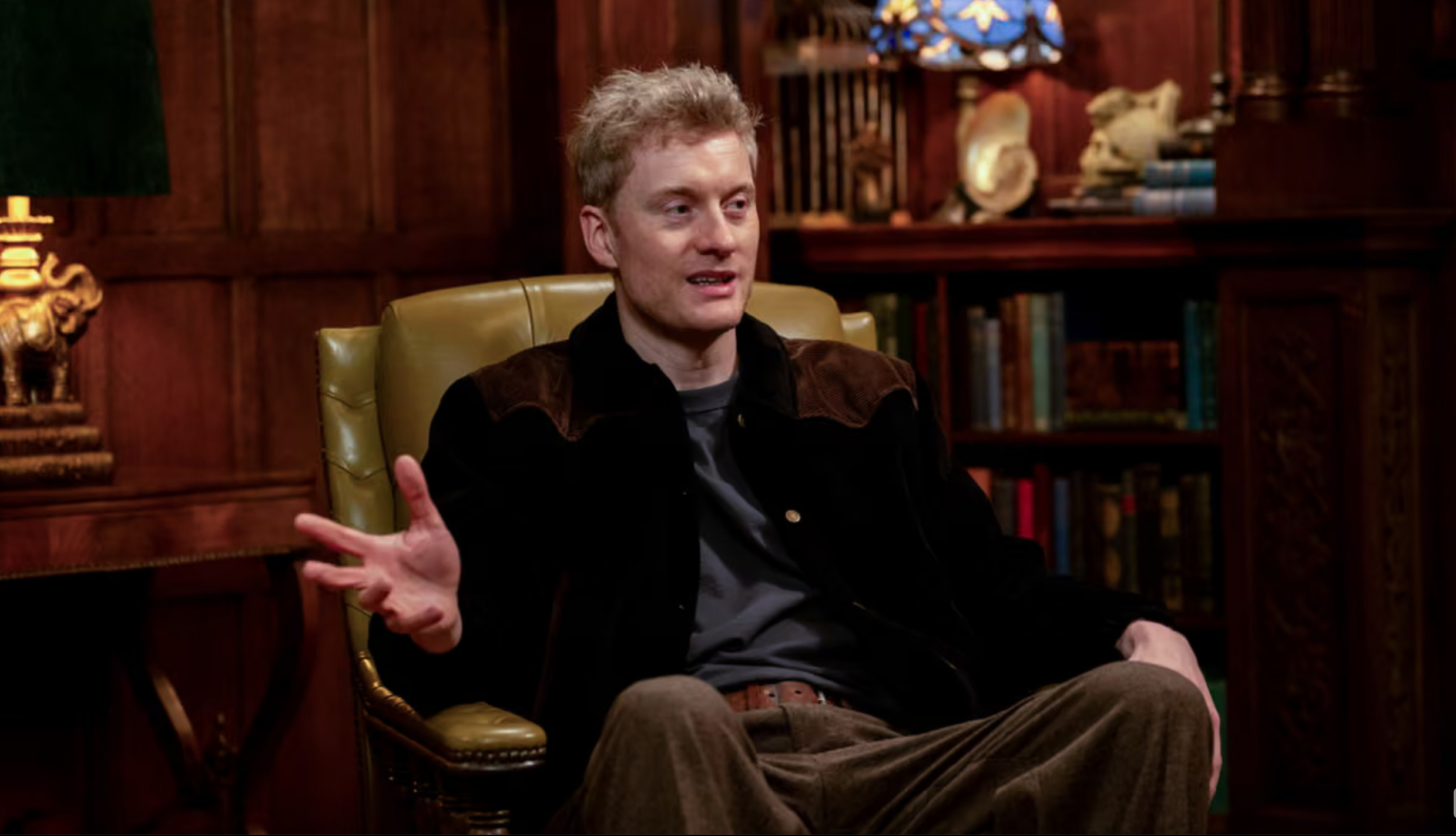
In case you’ve been living comfortably under a rock, you’ll probably be aware that comedian James Acaster is currently a contestant on this current season of BBC‘s smash-hit reality TV competition show, The Celebrity Traitors – a show that viewers in their millions are tuning into each week, with some big names on the cast.
Acaster is currently (spoiler alert… but it shouldn’t be at this point, we are several weeks in after all) one of three Traitors competing on the show, and he’s doing a pretty good job at it.
But we wonder how much of his success can be put down to the producers’ love of a certain song they like to play before every roundtable? Probably next to none, but it’s surprising to find out how much of an integral role the tune plays though.
The song we’re referring to here, it has been revealed, is ‘The Hanging Tree’ – a folk ballad made popular by The Hunger Games.
‘The Hanging Tree’, composed by James Newton Howard and Suzanne Collins, was famously sung by Jennifer Lawrence’s character Katniss Everdeen in the third instalment of the film franchise, The Hunger Games: Mockingjay – Part 1.
The lyrics are as follows:
Are you, are you Coming to the tree Where they strung up a man They say who murdered three? Strange things did happen here No stranger would it be If we met at midnight In the hanging tree
So, as you can see, the song does make reference to ‘murder’, which is a key part of The Traitors game (not real murder, of course), but even with that context, we’re still not sure why the producers are keen to play it out before every roundtable.
During a viral TikTok clip from an on-stage Q&A this week, Acaster revealed the song’s usage to the audience: “You all walk in silence down the corridor, and you all sit down, and they don’t announce it’s gonna happen.
“The first time this will completely blindside you, but they do it every single roundtable. They play that song from The Hunger Games, that ‘coming to the tree’ song. Like acapella, Jennifer Lawrence.”
He continued: “It was every f***ing time, it was the only song we heard the whole time we were in there, and all day I would have it in my head constantly, everyone would, I’d go ‘have you got coming to the tree in your head?’ and they’d go ‘yes, it’s in my head, again’.”
Viewers who watch the show may have spotted the song being played in the background or transition between certain scenes, but now it’s been revealed that the contestants hear it too.
Who would’ve thought?
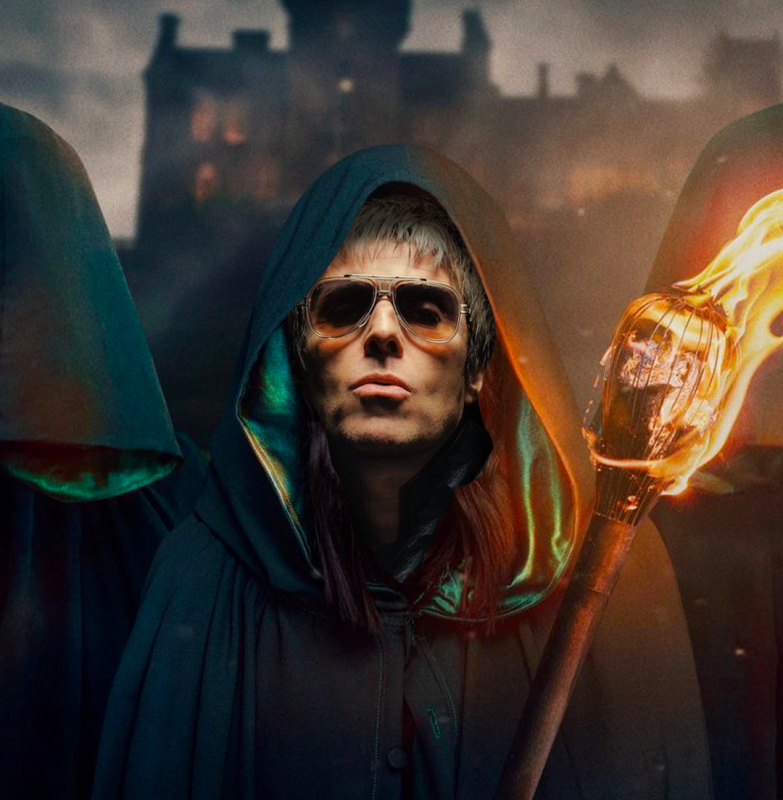
Featured Image – Euan Cherry / BBC / Studio Lambert

 Emily Sergeant -
14th March 2023
Emily Sergeant -
14th March 2023